
Category: Security

  • How to File a UPI Refund Complaint and NPCI Complaint Online in India

    How to File a UPI Refund Complaint and NPCI Complaint Online in India

    Digital payments have made everyday transactions fast and convenient, especially with UPI becoming the most widely used payment system in India. From paying utility bills to transferring money instantly, UPI has simplified financial life for millions. However, errors do happen. Wrong transfers, failed transactions, or delayed refunds can cause stress, particularly when the money does not return on time. In such situations, understanding the correct process for a upi refund complaint and an npci complaint online can save you time and frustration.

    Common Reasons for UPI Transaction Issues

    UPI-related problems usually fall into a few common categories. Sometimes the amount gets debited, but the recipient does not receive it. In other cases, money is sent to the wrong UPI ID by mistake. There are also situations where a transaction fails, yet the amount does not get credited back immediately. These issues may arise due to server downtime, incorrect details, network problems, or technical errors at the bank or payment app level.

    While most failed transactions are auto-refunded within a few working days, delays can occur. That is when raising a formal complaint becomes necessary.

    First Step: Contact Your Payment App or Bank

    Before escalating the issue, always start with the payment app or bank you used. Apps like Google Pay, PhonePe, Paytm, or your bank’s own UPI app have built-in support sections. You can usually find your transaction history, select the failed or wrong transaction, and raise a complaint directly.

    Provide accurate details such as transaction ID, date, amount, and the issue faced. In many cases, this step alone resolves the problem within 3–5 working days.

    When to Approach NPCI for Resolution

    If your bank or UPI app does not resolve the issue within a reasonable time, the next level of escalation is NPCI (National Payments Corporation of India). NPCI operates and oversees the UPI ecosystem, ensuring fair and transparent dispute resolution.

    Filing a complaint at this level is useful when:

    • The bank or app does not respond
    • The issue remains unresolved after multiple follow-ups
    • You are dissatisfied with the resolution provided

    How to File an NPCI Complaint Online

    The process to raise an npci complaint online is straightforward and user-friendly. You need to visit the official NPCI grievance portal and select the UPI-related category. Fill in the required form with correct information, including your transaction reference number, bank name, and a brief explanation of the problem.

    Once submitted, you will receive a complaint reference number. NPCI then coordinates with the concerned bank or payment service provider to investigate and resolve the issue.

    Important Tips for Faster Resolution

    To improve your chances of a quick refund or solution, keep these points in mind:

    • Always save transaction screenshots and reference IDs
    • Raise the complaint as soon as you notice the issue
    • Avoid submitting multiple complaints for the same transaction
    • Respond promptly if the bank or NPCI asks for clarification

    Patience is also important. While most issues are resolved within a few working days, some cases may take slightly longer depending on complexity.

    What to Expect After Filing a Complaint

    After filing, the complaint is tracked internally between NPCI and your bank. You may receive updates via email or SMS. If the transaction is eligible for refund, the amount is credited back to your account automatically. In case of wrong transfers, outcomes depend on recipient cooperation and bank investigation.

    Final Thoughts

    UPI has transformed digital payments in India, but no system is entirely error-free. Knowing the correct steps for handling failed or incorrect transactions empowers users and reduces unnecessary stress. By following the proper escalation process—from your bank or app to NPCI—you can ensure that your concerns are heard and addressed in a timely manner. Staying informed and proactive is the key to protecting your money in the digital payment era.

  • Why Modular Jails Help Facilities Scale for Population Fluctuations

    Why Modular Jails Help Facilities Scale for Population Fluctuations

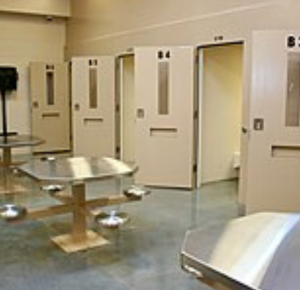
    Correctional populations rarely move in a straight line, and shifts often arrive faster than facilities can respond. Traditional construction methods struggle to keep pace with these changes, creating pressure on already crowded spaces. Modular jails offer a practical way for agencies to expand capacity quickly while maintaining consistent security and operational standards.

    Off-site Fabrication Delivers New Bed Space Months Faster than Local Builds

    Off-site fabrication streamlines the entire construction timeline by moving labor, equipment, and assembly into a controlled environment. Correctional modules are completed while site preparation continues, allowing two major phases of work to advance simultaneously. This parallel workflow eliminates the delays typically caused by weather, contractor availability, or supply shortages that slow down conventional builds.

    Speed also reduces operational strain on facilities already reaching capacity. Additional beds arrive as finished modules rather than prolonged construction zones. Cornerstone detention equipment contractors often incorporate detention-grade materials directly into these prefabricated units, ensuring they are ready for installation with minimal on-site adjustments.

    Self-contained Units Plug into Existing Utility Grids with Minimal Downtime

    Modular jail units are engineered to connect seamlessly with existing systems such as water, power, communications, and HVAC. This simplifies integration and eliminates prolonged interruptions that can disrupt daily operations. Facilities can expand with new housing areas that plug into the current infrastructure without needing major retrofits or new utility corridors.

    This efficient connectivity also reduces staff strain. Instead of months of construction noise, restricted movement, and work crews inside secure perimeters, installation takes a fraction of that time. Cornerstone security detention equipment contractor teams often oversee installation to ensure proper tie-ins and compliance with established safety protocols.

    Modular Layouts Allow for Vertical Expansion When Land Footprint Is Tight

    Facilities located in dense areas or urban settings often lack horizontal room for expansion. Modular layouts offer vertical stacking options, giving correctional agencies the ability to build upward when acreage is limited. Vertical expansion maintains a compact footprint while still delivering meaningful increases in bed capacity.

    Structural strength is essential for multi-level modular setups. Prefabricated sections are constructed to carry the load of additional floors, making vertical growth reliable and safe. This adaptability helps correctional administrators stay prepared for population fluctuations without purchasing new land or disrupting surrounding structures.

    Prefabricated Cells Maintain High Security Standards During Rapid Growth

    Modular cells are built with the same demanding specifications as traditional units. Reinforced steel, tamper-resistant hardware, and secure ventilation are integrated from the beginning of fabrication. Prefabrication ensures that each component meets the required security standards before arriving on-site, eliminating gaps that might occur during rushed builds.

    Consistency is paramount in correctional environments. Prefabricated units maintain uniformity in security features such as detention windows, reinforced walls, and Cornerstone detention center doors, which are designed to withstand high-use conditions. This level of standardization helps facilities expand rapidly without compromising safety.

    Strategic Design Lets Facilities Add Wings in Phases As Budgets Allow

    Budget limitations often force correctional agencies to implement expansions over multiple fiscal cycles. Modular construction supports phased growth by allowing facilities to add new units in planned increments. Instead of committing to a lengthy, full-size build, administrators can grow capacity gradually based on funding availability.

    This phased approach provides flexibility. Each added wing functions independently but aligns with the overall facility design, ensuring smooth integration. Agencies can also prioritize different populations in each phase—minimum, medium, or specialized housing—depending on current demand.

    Standardized Parts Ensure New Additions Match Current Facility Maintenance

    Standardization plays a major role in long-term efficiency. Modular jails rely on consistent parts and uniform structural components, which simplifies maintenance, repairs, and inventory management. Facilities avoid the complications that arise from mismatched hardware or incompatible materials found in older, piecemeal expansions. Continuity reduces training time for facility staff. Personnel learn one set of systems and apply that knowledge to both old and new areas. Cornerstone prison supply manufacturers often provide compatible components that ensure each expansion matches the existing facility’s operational procedures and maintenance routines.

    Factory-built Precision Removes the Unpredictability of On-site Labor

    On-site construction exposes projects to unpredictable variables—weather, labor shortages, subcontractor delays, and material inconsistencies. Factory-built precision eliminates these issues by manufacturing units indoors under consistent conditions. This environment ensures accuracy in measurements, welds, finishes, and security installations. Quality control is easier to enforce in a factory than on a busy jobsite. Each module undergoes inspections that verify structural integrity and alignment with correctional standards. These quality checks reduce rework and speed up installation once units arrive at the facility.

    Flexible Floor Plans Adapt Quickly to Changing Custody Level Requirements

    Custody classifications can shift rapidly, requiring facilities to adapt housing layouts with little notice. Modular systems allow quick reconfiguration of units to accommodate different supervision levels. Floor plans can be designed with observation windows, group housing options, single cells, or special-use spaces depending on evolving needs.

    Adaptability supports operational stability. Administrators can respond to classification changes without undertaking full-scale renovations or relocating large inmate groups. For agencies seeking expandable, secure, and efficient detention solutions, Cornerstone offers services that help correctional systems implement modular jails designed for growth and long-term reliability.

  • A Comprehensive Guide to Implementing Biometric Security in Cochin’s High-Security Zones

    A Comprehensive Guide to Implementing Biometric Security in Cochin’s High-Security Zones

    Introduction to Biometric Security

    With increasing security demands in today’s world, traditional security measures are no longer enough in high-risk, high-security areas. Biometric security has emerged as a game-changing solution, offering unmatched accuracy and efficiency. By identifying individuals based on unique biological characteristics like fingerprints, facial structure, or iris patterns, biometric systems ensure secure access control and heightened protection for sensitive facilities.

    For facility managers and security professionals in Cochin’s high-security zones, implementing biometric security is not just a trend—it’s a necessity. This guide explores the need, technology, benefits, challenges, and step-by-step implementation of biometric security in Cochin’s high-security areas.

    The Need for Biometric Security in Cochin’s High-Security Zones

    Cochin serves as a significant hub for industries like aviation, logistics, maritime operations, banking, and IT, making it highly vulnerable to security breaches. Traditional security methods, such as access cards and passwords, are easily compromised through theft, loss, or hacking. High-security areas like Cochin International Airport and critical infrastructure facilities require robust, error-proof solutions built to handle heightened risk.

    Biometric security achieves three critical objectives for Cochin’s sensitive facilities:

    • Enhanced Identification Accuracy: Unlike pin codes or access cards, biometric systems verify individuals with unparalleled precision.
    • Faster Access: With high foot traffic in sectors like aviation and banking, biometric systems ensure faster validations, minimizing delays.
    • Prevention of Unauthorized Access: Biometric systems eliminate risks of stolen credentials by relying on characteristics unique to each individual.

    Understanding Biometric Technologies

    Facility managers must evaluate various biometric technologies before implementation. Below are the top biometric methods used worldwide:

    1. Fingerprint Recognition

    One of the most commonly used technologies, fingerprint recognition is reliable, cost-effective, and easy to deploy. It scans the unique patterns of ridge and valley characteristics on fingers for identification.

    2. Facial Recognition

    Facial recognition systems analyze over 80 unique facial points to identify individuals, even in crowded environments. This technology plays a critical role in contactless authentication, making it ideal post-COVID-19.

    3. Iris Scanning

    Highly accurate and nearly impossible to replicate, iris scanning measures unique patterns in the colored part of the eye. It’s widely used in airports and government facilities requiring stringent security protocols.

    4. Behavioral Biometrics

    This emerging technology tracks movements like typing speed or gait. While still advancing in its adoption, it provides an additional layer of security for restricted areas.

    5. Multimodal Biometrics

    To maximize efficiency and minimize errors, many organizations adopt multimodal biometric systems that combine two or more technologies, such as fingerprint and facial recognition.

    Benefits of Biometric Security in Facility Management

    Adopting biometric security provides significant advantages for facility management, particularly in high-security contexts:

    • Unmatched Accuracy: Biometric authentication eliminates human error and reduces reliance on memory-based passwords.
    • Scalability for Large Teams: Systems can easily accommodate thousands of employees or visitors without operational slowdowns.
    • Real-Time Monitoring: Advanced biometrics integrate seamlessly with AI-driven software to provide live data, alerting teams to unauthorized access or unusual behavior.
    • Cost-Efficiency: While the initial investment may seem high, biometrics reduce long-term costs by eliminating the need for physical access credentials like ID cards.

    Implementing Biometric Security in Your Facility

    Facility managers looking to deploy biometric security need a structured approach. Below is a step-by-step guide:

    1. Conduct a Security Risk Assessment

    Begin by evaluating key vulnerabilities in your facility. Identify areas like server rooms or entrances that require biometric authentication. Engage stakeholders to determine security priorities.

    2. Choose the Right Technology

    Based on your risk assessment, select a biometric solution that aligns with your security needs. For example:

    • Fingerprint systems for general access control.
    • Iris scanning for critical zones like financial data centers.
    • Facial recognition for health-sensitive, contactless environments.

    3. Plan the Installation

    Collaborate with a trusted provider like Stalwart, which offers integrated security solutions. Comprehensive planning includes mapping device placement, creating integration workflows, and configuring multi-layered systems.

    4. Train Facility Staff

    Provide training sessions for facility managers, security personnel, and employees to familiarize them with the systems. User confidence ensures smoother adoption.

    5. Pilot the System

    Run a pilot program in a limited area before a full-scale rollout. This identifies potential challenges and ensures system optimization.

    6. Monitor and Maintain

    Implement regular maintenance checks to ensure the biometric systems stay functional. Keep them updated with the latest security patches.

    Case Studies of Biometric Security in Action

    1. Cochin International Airport

    To ensure safe operations amidst high passenger volumes, Cochin International Airport implemented multimodal biometrics, combining fingerprint and facial recognition for secure staff access to restricted zones.

    2. IT Data Center Facility

    A leading IT firm in Cochin integrated iris scanning and AI-driven access logs, improving security standards while enabling efficient, automated tracking of entry points.

    3. Logistics Hub

    A well-known supply chain operator adopted fingerprint scanners, eliminating unauthorized warehouse access and preventing theft.

    Overcoming Common Challenges in Implementation

    Implementing biometrics may encounter these potential challenges, but solutions are within reach:

    • Budget Constraints: Work with scalable plans allowing phased deployment to optimize initial costs.
    • Resistance to AI: Educate stakeholders about the clear security ROI biometrics bring.
    • System Integration: Choose vendors like Stalwart that ensure compatibility with existing security infrastructures.

    The Future of Biometric Security

    The biometric security landscape continues to evolve with exciting technologies:

    • AI Integration: Intelligent biometrics analyze behavior in real time, flagging unusual activity.
    • Wearable Biometrics: Devices like smartwatches may enable seamless, continuous authentication.
    • Deep-Learning Models: These will further improve accuracy, especially in facial recognition.

    These advancements will make biometric systems even more reliable, fair, and accessible, opening new possibilities for facility management.

    Final Thoughts—Take the Next Step in Facility Security

    Biometric security is no longer a futuristic dream. It is a necessity for high-security zones in cities like Cochin, where industries face unique challenges that traditional systems cannot solve. By implementing biometrics, facility managers gain greater control, efficiency, and peace of mind.

    Looking for a trusted partner to help you secure your facility? Stalwart Group, a top and best Security services company and Facility Management service company, brings cutting-edge solutions tailored for sectors like aviation, banking, e-commerce, and healthcare. Transform your facility’s security by consulting our experts today!