Blog

  • What Are The Complex Yard Challenges That a Trusted Landscape Company Handles?

    What Are The Complex Yard Challenges That a Trusted Landscape Company Handles?

    Homeowners often underestimate the hidden mechanics beneath their yards, and that is where a skilled landscape company becomes invaluable. A yard may look simple on the surface, yet its drainage, soil movement, and water pathways often behave far differently than expected. People searching for landscaping near me or reviewing landscaping companies near me usually discover that professional support is the difference between a temporary fix and long-term stability.

    Deep-set drainage issues that flood low-lying sections

    Deep-set drainage challenges tend to appear in yards where terrain naturally funnels water downward. Those flooded pockets can become persistent after storms, leading to muddy surfaces and restricted use of the property. A landscape company studies slope, soil depth, and buried obstructions to understand why water lingers instead of dispersing.

    These areas often require engineered grading or trench systems because surface-level solutions rarely solve the problem. Each property carries its own pattern of movement, so drainage plans must be built around elevation changes that aren’t obvious at first glance.

    Soil instability causing shifting or sinking surfaces

    Soil instability impacts walkways, patios, and even open lawn spaces. Changes occur when soil expands, drains unevenly, or fails to support weight consistently. Homeowners often notice sinking patches that worsen over time because the underlying structure is no longer compact enough to hold its form.

    A professional landscape company uses soil assessments and compaction methods to restore firmness. Additional layers or reinforcements may be added before surface materials are reset, ensuring the problem does not return.

    Waterlogged zones that damage turf and plant roots

    Waterlogged zones tend to develop where soil type and drainage patterns combine to trap moisture. Turf in these areas thins quickly, while shrubs and flowers may experience root rot due to constant saturation. Over time, the yard begins to show uneven growth because certain plants cannot survive the excess moisture. To restore healthy root environments, drainage systems must shift water away from the congested area. Landscapers also evaluate soil texture to determine whether amendments or topdressing will improve long-term absorption.

    Hidden runoff paths that erode slopes and walkways

    Hidden runoff paths are often discovered only after damage appears. Small channels may cut through mulch beds, loosen gravel, or send sediment across pathways. The quiet nature of these channels makes them easy to miss until the erosion becomes visible. Identifying these paths requires watching how water behaves when it meets resistance. Landscapers often rely on detailed site evaluations to determine where redirection or reinforcement is needed to protect slopes and improve walkway durability.

    Foundation-adjacent pooling threatening structural integrity

    Pooling near a foundation is one of the most serious concerns for any property. Water settling against the house can compromise the structure, seep into basements, and weaken the soil supporting exterior walls. These patterns are usually tied to improper grading or blocked drainage routes.

    A trusted landscape company adjusts slope away from the home and may install drainage elements to prevent water from collecting again. Protection at this level safeguards the entire property and helps reduce long-term repair expenses.

    Subsurface flow problems requiring engineered drain systems

    Subsurface flow problems are less visible but often more damaging because they affect the deeper soil layers. Water may travel underground and surface unpredictably in unrelated parts of the yard, causing confusion for homeowners. These issues require more advanced evaluation than surface drainage alone.

    Engineered drain systems such as French drains, channel drains, or subsurface piping are often needed to intercept and redirect the movement. The goal is to control water beneath the soil rather than reacting only to what appears on top.

    Compact clay soils resisting proper water absorption

    Clay-heavy yards are common, and they trap water instead of allowing it to pass through. Lawns built on dense clay tend to hold puddles longer, crack during dry periods, and restrict root development. The stubborn nature of clay makes it one of the more difficult soil types for homeowners to manage without help.

    Professionals improve these areas by incorporating sand, organic material, or specialized soil blends to loosen the structure. This creates pathways for moisture to drain and supports healthier plant growth throughout the year.

    Yard gradients creating inconsistent drainage behavior

    Uneven gradients change how water travels across a property. Certain spots may shed water quickly, while others stay saturated. These unpredictable patterns make maintenance difficult and affect where plants can thrive.

    Correcting gradients often includes reshaping slopes or adjusting contour lines to guide water in controlled pathways. A landscape company studies the entire yard instead of focusing on a single trouble spot, ensuring future drainage aligns with the property’s natural layout.

    High-volume storm runoff overwhelming natural contours

    Heavy storms put pressure on yards that lack structured drainage systems. Natural contours may become overwhelmed, sending water into unwanted areas or washing away soil. This sudden volume exposes weaknesses that may not appear in milder weather.

    Managing high-volume flow requires strategies that slow, redirect, or capture runoff before it causes damage. Landscapers may create retention zones, strengthen slopes, or add drain outlets to stabilize the property and reduce erosion risk. Homeowners facing these issues often discover that Cora Landscape provides advanced drainage solutions backed by detailed field knowledge and engineered planning.

  • The Real Cost of Soft Water: What You Should Know Before Buying a Water Softener

    The Real Cost of Soft Water: What You Should Know Before Buying a Water Softener

    If you’ve ever run your fingers across a supposedly “clean” glass and felt a chalky film, or if your laundry comes out of the wash feeling more like cardboard than cotton, chances are you’re dealing with hard water. And honestly, you’re not alone. Millions of households struggle with the daily annoyances — and long-term damage — caused by mineral-heavy water. That’s why so many homeowners eventually find themselves Googling water softeners, trying to figure out how to fix the issue without emptying their bank account.

    But here comes the million-dollar question (well, hopefully not literally): How much are water softeners, really?

    Spoiler alert — it’s not a one-size-fits-all answer. Let’s talk about the real-world costs, what drives those numbers, and how to get the most value from your investment. Because buying a water softener shouldn’t feel like decoding a secret language of specs and sales pitches.


    First, What Exactly Does a Water Softener Do?

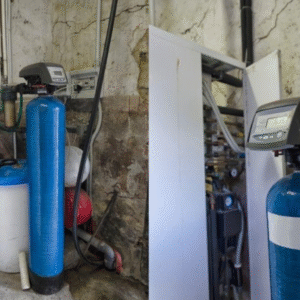
    Quick primer before we dive into pricing. A water softener removes minerals like calcium and magnesium that cause hard water. These minerals are great for rocks, not so great for your plumbing, appliances, or skin. Soft water feels smoother, keeps your pipes cleaner, helps your soap actually lather, and can extend the life of everything from your washing machine to your water heater.

    In short: it’s a low-key home upgrade that quietly improves your daily life.


    So… How Much Should You Expect to Pay?

    Let’s get to it. On average, water softeners cost anywhere between $400 and $3,500, depending on the type, size, brand, and features. Yeah, that’s a big range. But here’s a helpful breakdown to make it more digestible:

    • Basic single-tank salt-based softeners: $400–$900
    • Mid-range systems with better efficiency: $1,000–$1,600
    • High-end systems or dual-tank units: $1,700–$3,000+
    • Salt-free or conditioning systems: $1,200–$4,000

    And don’t forget about installation — that can tack on another $300 to $1,000, depending on your plumbing setup and location.

    Suddenly the math gets real, right?


    What’s Included in the Cost?

    It’s easy to look at a price tag and say, “No thanks.” But to judge a system by its upfront number alone isn’t exactly fair. A quality softener doesn’t just sit in your garage doing nothing. It’s working 24/7 to prevent scale buildup, keep your laundry soft, reduce appliance wear, and save you money in subtle, sneaky ways.

    Not to mention, most units last 10 to 15 years (or longer with proper maintenance). Divide that cost over the years, and it doesn’t feel quite so steep.

    So when evaluating the price of a water softener, look beyond the sticker. Think performance, efficiency, lifespan, and — yes — peace of mind.


    Installation: The Often-Forgotten Cost

    Here’s a fun little surprise for new buyers: that water softener you just ordered? It won’t install itself. And unless you’re a confident DIYer with plumbing chops, you’ll likely need a professional to set it up.

    Installation costs depend on:

    • Where your main water line enters the house
    • Whether a drain line is accessible
    • If you need electrical wiring
    • Local labor rates

    Some companies include installation in the package, while others bill it separately. Always ask. It might save you a few hundred (or cost you unexpectedly).


    Monthly Maintenance: It’s Not Free, But It’s Manageable

    Salt-based systems require—you guessed it—salt. Most households go through one or two bags of salt per month, at $5–$10 each. That’s not exactly breaking the bank, but it’s something to factor in.

    You’ll also want to clean the brine tank once or twice a year, check for salt bridging, and occasionally replace a resin bed or part. But all in all? Pretty low maintenance compared to other home appliances.

    For salt-free systems, maintenance is even easier. No salt, fewer moving parts, and less wear-and-tear. But they cost more upfront. Trade-offs, right?


    How to Choose Without Regret

    This is where a lot of homeowners get tripped up — not because they bought the “wrong” softener, but because they didn’t buy the right one for their needs.

    Here’s what to consider:

    • Water hardness level (test kits are cheap and easy)
    • Household size and water usage
    • Preference for salt-based vs. salt-free systems
    • Available space for installation
    • Budget (be honest here!)
    • Manufacturer warranty and service reputation

    Once you’ve narrowed this down, finding a good-fit softener becomes way less intimidating.


    Budget Options: Are They Worth It?

    Yes… and no. If you’re in a small home or apartment and just want to soften water at a single point (say, under the kitchen sink), there are compact or portable options starting around $200–$300. But these aren’t ideal for full-house protection.

    Going too cheap on a whole-house system might leave you replacing it sooner than you’d like. It could also use more salt, regenerate inefficiently, or just plain not work well. So if you’re wondering how much are water softeners that actually work and last — the sweet spot tends to be the $900–$1,600 range for most average households.


    What About Renting?

    Some folks don’t want to own a softener — they just want soft water without the commitment. Renting is an option in some areas, often costing around $25 to $50 per month, plus setup fees.

    It can be a solid short-term solution (especially in rentals), but long-term? You’ll likely pay more than if you bought one outright. Think of it like leasing a car — convenient, but not the best deal over time.


    The Verdict: Is It Worth the Cost?

    Let’s be honest — soft water doesn’t sound as exciting as a kitchen remodel or a shiny new appliance. But once you’ve lived with it, you’ll feel the difference in your skin, your clothes, your dishes, and even your wallet.

    A good softener protects your investment in your home. It helps appliances last longer, saves on energy bills, and reduces your need for harsh detergents and cleaners.

    So while water softeners cost money upfront, they often pay for themselves quietly — through reduced maintenance, longer appliance life, and a better day-to-day water experience.


    Final Thoughts

    Hard water is more than just a minor inconvenience — it’s a long-term wear-and-tear problem. And investing in a reliable water softener isn’t just a plumbing solution. It’s a lifestyle upgrade. One that, frankly, you’ll notice every time you wash your hands or rinse a glass

  • When Water Isn’t Just Water: The Quiet Power of Softening for a Happier, Smarter Home

    When Water Isn’t Just Water: The Quiet Power of Softening for a Happier, Smarter Home

    There’s something oddly satisfying about small changes that make a big impact. You know, the kind that doesn’t shout for attention but slowly transforms the way your home feels—like switching to warmer lightbulbs or finally fixing that leaky faucet. Water softening falls right into that category. It’s not glamorous, it won’t win any design awards, but wow… it can totally change the game.

    Especially if you’ve been living with hard water and didn’t even realize it.


    It Starts with the Little Things

    Let’s paint a picture. You step out of the shower and your skin feels a little tight. Your hair doesn’t quite bounce the way it used to. Dishes? They come out with cloudy spots even though you loaded them perfectly. And your freshly washed clothes? Somehow feel stiffer than when they went in.

    Annoying, right?

    Turns out, those are all classic signs of hard water—and it’s way more common than people think. It’s not dangerous per se, but it’s definitely a troublemaker. And unless you deal with it, it’ll keep picking away at your comfort and your appliances.


    The Mineral Menace

    Hard water is basically water loaded with minerals like calcium and magnesium. Sounds harmless (and honestly kind of nutritious, right?), but when those minerals stick around in your plumbing or layer up in your appliances, they’re anything but helpful.

    Imagine a kettle crusted with white flakes, a showerhead spraying in every direction but down, or a washing machine that seems to age ten years in two. That’s hard water damage.

    It doesn’t ruin things overnight—but give it time, and it will.


    Why Softening Actually Matters

    Here’s where water softening comes into play. It’s the quiet hero of household comfort, removing excess minerals before they get the chance to mess with your water pressure, your dishes, your towels, or even your skin.

    The difference is subtle at first—like suddenly realizing your shampoo lathers better, or your razor glides more smoothly. But as the weeks go on, you’ll notice more: fewer spots on glasses, less soap scum on tiles, and appliances that don’t sound like they’re on their last leg.

    In a world of quick fixes, soft water is the slow, steady win.


    The Secret Cost of Hard Water

    What’s interesting is how much people don’t realize they’re spending because of hard water. More detergent, more fabric softener, more shampoo. Extra cycles in the dishwasher. Shorter lifespans for hot water heaters.

    All those little things? They add up.

    Soft water doesn’t just make your daily routine smoother—it actually makes your home run more efficiently. When your appliances aren’t clogged with mineral buildup, they work better. They last longer. Your water heater, for example, doesn’t have to fight through layers of scale to do its job.

    That means lower utility bills. Less maintenance. And hey, maybe even a bit more peace of mind.


    Thinking Bigger: Appliance Longevity

    Let’s talk about those high-ticket items for a second—dishwashers, washing machines, water heaters. You invest good money into these things hoping they’ll last years. And yet, hard water quietly chips away at that timeline.

    That’s why many homeowners turn to appliance protection systems. It’s not just about preserving what you’ve got; it’s about preventing early replacements and unexpected repairs.

    It’s also about protecting newer tech. These days, appliances are smarter, sleeker, and more sensitive. They weren’t designed with mineral-rich water in mind. Giving them soft water is like feeding them premium fuel instead of the cheap stuff—it just works better.


    Lifestyle Upgrade, Not Just a Utility Fix

    One thing people often say after installing a softening system? “I didn’t know how bad it was until it got better.”

    You don’t just feel the difference—you experience it. Softer towels, brighter clothes, smoother skin, shinier fixtures. Showers feel like, well, actual showers instead of weird drying rituals.

    And don’t underestimate how nice it feels to stop scrubbing crusty white residue off your faucets every weekend. There’s a quiet joy in having things just… work.


    Different Homes, Different Needs

    Now, not every home is built the same, and neither is every water supply. City water vs. well water, old pipes vs. modern plumbing—these all factor into what kind of softening setup you might need.

    Some people go all in with comprehensive systems. Others start small with faucet-specific solutions. The key is figuring out what makes sense for your space and your water quality.

    And here’s the beauty of it—you don’t have to figure it all out alone. Most companies offer free consultations, or at the very least, guidance based on your location and usage.


    A Soft Shift Toward Smart Living

    Water softening isn’t just about comfort—it’s becoming part of a broader movement toward smarter, more sustainable homes. The kind of home that doesn’t just consume resources, but optimizes them.

    When you treat your water with care, you treat your entire home with care. Plumbing stays cleaner. Fixtures stay newer. You end up buying fewer cleaning products. And you feel better about how you’re living, too.

    That’s what people mean when they say modern homes should work with you, not against you.


    In Closing: Water You Can Rely On

    Water isn’t just water. It’s what fuels your morning routine, cleans your dishes, keeps your clothes fresh, and hydrates your family. So why settle for the version that quietly wreaks havoc?

    Soft water is more than just a luxury—it’s a home improvement that pays for itself in comfort, cleanliness, and long-term savings.

  • Why Paying Attention to Your Water in Garden City Could Be a Game-Changer

    Why Paying Attention to Your Water in Garden City Could Be a Game-Changer

    You ever stop mid-shower and think, “Is my water… doing me any favors?” Most of us don’t, at least not until something goes wrong—like spotting on the dishes, itchy skin, or a coffee maker that’s suddenly feeling more like a science experiment than an appliance. For residents of Garden City, these everyday annoyances are often connected to the water we rely on every day. It’s easy to take for granted, but water quality really does matter. And thankfully, there are solutions right in your backyard if you know where to look.

    When I first moved here, I didn’t notice anything unusual. But after a few months, I started spotting tiny deposits on my faucets, my hair felt oddly dry, and my washing machine seemed to struggle more than it should. A bit of digging led me to the local providers, and I realized the city’s water system, while safe to drink, wasn’t exactly optimized for everyday use. That’s where garden city water services come into the picture.

    What Makes Water Quality in Garden City Unique

    Water quality isn’t just about being “safe to drink.” Municipal systems do their best to meet federal and state standards, and for the most part, they succeed. But depending on your neighborhood, plumbing, and even the season, the water coming into your home can vary quite a bit. Hard water, which carries high levels of calcium and magnesium, is a common culprit here. It doesn’t usually pose health risks, but it can cause buildup on appliances, make soaps less effective, and leave your skin feeling parched.

    That’s not to say Garden City’s water is “bad.” Far from it. The system does a solid job of keeping water safe. But if you’ve ever scrubbed a shower door only to find the spots returning the next day, you know there’s room for improvement. This is where city residents often start looking into specialized services.

    Understanding Water Treatment

    Water treatment is more than just a buzzword. It’s the science of removing unwanted minerals, contaminants, or chemicals from your water before it reaches your tap—or at least after it enters your home. There are various methods: filtration, softening, reverse osmosis, and even UV treatment for bacteria. Each method tackles a slightly different problem.

    If you’re curious, local companies offering garden city water treatment can assess your water and recommend a solution tailored specifically to your needs. The beauty of these services is that they don’t just mask problems—they address the source. Over time, treated water can make a dramatic difference in your daily life, from laundry that actually feels soft to coffee that tastes like it should.

    Why Local Expertise Matters

    It’s tempting to just buy a generic filter from the store and call it a day. But local expertise can make a huge difference. Professionals understand the quirks of Garden City’s water system, from the mineral levels to seasonal variations, and can match solutions accordingly.

    Take, for example, a friend of mine who installed a high-end filtration system without consulting a local expert. It worked, but only partially. Certain minerals still caused buildup in her pipes, and she ended up spending more in the long run correcting the oversight. Had she worked with a trusted local provider like moore water & air garden city, she could have avoided all that hassle. These companies don’t just sell systems—they analyze, recommend, and support. It’s a full-service approach that often saves time, money, and frustration.

    Signs You Might Need Water Services

    Not sure if your home could benefit from professional water services? Here are a few telltale signs that you might:

    • Persistent white or chalky buildup on faucets, showerheads, or glassware
    • Soap that feels sticky instead of lathering properly
    • Appliances that seem to wear out faster than expected
    • Skin or hair dryness even after proper care
    • A subtle, unusual taste in your drinking water

    Even one of these issues can indicate that your water isn’t as gentle—or as clean—as it could be. And the longer you wait, the more damage can accumulate in pipes and appliances.

    Everyday Solutions at Home

    Not everyone has the budget for a whole-house water treatment system, and that’s okay. There are smaller, manageable ways to improve water quality in your home:

    • Faucet-mounted filters for drinking water
    • Showerhead filters to reduce mineral buildup on skin and hair
    • Regular descaling of appliances like coffee makers and dishwashers
    • Routine plumbing inspections to catch early signs of mineral buildup

    While these steps won’t replace professional treatment entirely, they can make daily life a lot more pleasant and prevent long-term issues.

    Long-Term Benefits

    Investing in quality water services goes beyond comfort. Consider the long-term impacts:

    1. Longevity of appliances: Hard water can damage dishwashers, washing machines, and water heaters over time. Treating your water can extend their lifespan.
    2. Financial savings: Less soap, less detergent, fewer repairs, and fewer appliance replacements add up.
    3. Better skin and hair health: If you’ve been battling dry skin or brittle hair, treated water can be a subtle but noticeable solution.
    4. Peace of mind: Knowing your water is optimized for your home gives you confidence in your daily routines.

    It’s one of those rare investments that rewards you quietly, day after day. You might not see it in flashy ways, but you definitely feel it.

    Making the Choice

    Choosing the right system or service requires some thought. First, consider your exact needs: is your primary concern taste, mineral buildup, bacteria, or something else? Then, look for providers that test your water before offering a solution. Companies that push generic systems without assessment often leave homeowners underwhelmed or overpaying.

    In Garden City, there’s a strong mix of local companies that combine expertise with quality products. From residential setups to more complex commercial installations, having someone knowledgeable on hand makes all the difference. Local recommendations, reviews, and firsthand experiences can guide you toward the right choice.

    Final Thoughts

    Water touches nearly every part of our lives—from the coffee we drink to the clothes we wear, the showers we take, and the dishes we wash. For Garden City residents, paying attention to water quality isn’t just about avoiding inconveniences; it’s about improving daily life, protecting your home, and even saving money over time.

    If you’ve noticed issues like hard water, poor taste, or appliance wear and tear, don’t ignore them. Explore professional services, consider home treatment options, and take proactive steps to ensure your water works for you, not against you. Whether it’s connecting with garden city water services, investing in expert garden city water treatment, or consulting trusted companies like moore water & air garden city, there’s a solution that fits your needs.

    At the end of the day, water is a silent companion in our lives. Treating it well isn’t just practical—it’s a small act of care for yourself, your family, and your home. And once you notice the difference, you’ll wonder why you didn’t start sooner.

  • What Defines CMMC Level 2 Requirements and Who Must Comply

    What Defines CMMC Level 2 Requirements and Who Must Comply

    Preparing for compliance with CMMC Level 2 requirements can feel like charting a course through complex terrain—but when approached with clarity and purpose, it becomes a well-defined journey rather than an ordeal. This guide outlines what defines CMMC Level 2 requirements, explains who must comply, and breaks down each component in accessible terms. Consulting for CMMC allows organizations to turn what seems overwhelming into a practical, actionable roadmap.

    Core Controls Mapped to NIST 800-171 for Level 2

    The heart of CMMC Level 2 compliance lies in implementing the 110 security controls defined in NIST SP 800-171. These controls are organized across 14 families including Access Control, Incident Response, Configuration Management, and more.
    Organizations must not only have these controls in place, but they must also prove they are actively functioning—meaning control implementation, monitoring, and documentation are all required. CMMC consultants emphasise that having policies alone falls short; you must show effective operation, logging, review, and remediation.

    Scoping That Separates CUI Systems from General IT

    A critical early step in achieving compliance is scoping—identifying where the organisation stores, processes, or transmits Controlled Unclassified Information (CUI) and differentiating those systems from the rest of IT. This scoping reduces the breadth of systems subject to full controls and helps manage cost and risk.
    By clearly separating CUI systems, contractors make it easier to apply the required controls precisely and limit the surface of assessment. This approach is a key area where compliance consulting for CMMC offers value—helping firms define boundaries, map data flows, and justify exclusions.

    Organizations Required to Seek Third-party Certification

    Not every contract will demand a third-party audit, but many will. Organizations handling CUI often face a choice between self-assessment and third-party certification via a Certified Third‑Party Assessor Organization (C3PAO).
    Where contracts are deemed higher risk or prioritised, the C3PAO path becomes mandatory. CMMC consultants help companies assess which path their contract demands, align internal timelines, and prepare audit-ready evidence accordingly. Firms that delay this step often struggle with audit schedules or prime-contractor expectations.

    Supplier Flow-down Duties for Primes and Subcontractors

    Prime contractors working under DoD contracts must ensure their supply chain complies with CMMC Level 2 requirements. That means subcontractors — even smaller ones — handling CUI may need to meet the same controls and certification criteria.
    Flow-down duties often create a ripple effect: subcontractors must implement the controls, maintain documentation, and in some cases coordinate assessments via the prime. Consulting for CMMC helps suppliers understand their specific duties and how to satisfy the prime contractor’s expectations without reinventing the wheel.

    Assessment Paths Comparing Self-attestation and C3PAO Audits

    There are two primary assessment paths under CMMC Level 2: annual self-assessments and periodic audits conducted by a C3PAO. Self-attestation is allowed for lower-risk contracts; third-party assessment is required for high-risk CUI engagements.
    For self-attestation, organisations must submit their assessment to the Supplier Performance Risk System (SPRS) and include senior-official affirmation. The third-party path means full audit, documentation review, and often remediation requirements. Consultants supporting CMMC compliance often run mock audits, gap assessments, and readiness checks so organisations know exactly where they stand before the formal review.

    Documentation Stack Including SSP, POA&M and Evidence Logs

    Documentation is more than formality—it’s evidence that controls are implemented and maintained. The key artifacts: a System Security Plan (SSP) describing how each control is implemented; a Plan of Action & Milestones (POA&M) documenting where gaps exist and how they will be remediated; and supporting logs and records proving the controls work over time.
    Preparing for CMMC assessment means building this stack early, living it continuously, and enabling auditors to trace evidence back to each required objective. Consulting for CMMC helps structure these documents, align them with control families, and maintain readiness across audit cycles.

    Enclave Strategies to Contain Requirements and Reduce Scope

    One effective strategy for limiting cost and complexity is creating an enclave—a clearly defined subset of systems that handle CUI separately from general IT. By isolating the systems subject to full controls, organisations reduce the number of devices, users, and processes that require rigorous implementation.
    CMMC consultants often advise establishing this enclave early, applying the full bundle of controls to it, and maintaining strong segmentation. This approach makes compliance more manageable, focuses remediation efforts, and simplifies future audits.

    Timelines, Milestones and Renewal Cycles for Ongoing Compliance

    Compliance with CMMC Level 2 is not a one-time event. Organisations must plan for implementation timelines, milestones for remediation, and renewal cycles. The requirement for renewal or reassessment typically occurs every three years for third-party audits, with annual self-attestations in between.
    CMMC compliance consulting emphasises building forward-looking project plans: gap assessments, remediation sprints, audit readiness reviews, then documentation refreshes and annual affirmations. Without a milestone-based roadmap, organisations risk being caught off-guard by audit windows or evolving contract demands.

    Meeting CMMC Level 2 requirements is about more than checking off boxes—it’s about embedding the right controls, aligning documentation, defining scope wisely, and sustaining the posture over time. Working with experienced CMMC consultants positions organisations to both win contracts and keep them while managing risk efficiently. MAD Security offers support across readiness assessment, control implementation, audit preparation and continuous monitoring to help organisations achieve true CMMC compliance readiness.

  • How Listing Day Performance Reflects Market Sentiment

    How Listing Day Performance Reflects Market Sentiment

    On listing day, the performance of new stocks offers a revealing glimpse into market sentiment, influencing investor confidence and future trends. HDFC SKY, an innovative all-in-one investment platform from HDFC Bank, empowers users with tools to navigate this dynamic landscape, all while minimizing costs.

    Understanding Listing Day: An Overview

    Listing Day is a pivotal moment for any company that has recently gone public, marking the first day its shares are available for trading on a stock exchange. For investors, this is an opportunity to gauge the market’s reception of the company’s initial public offering (IPO). Factors influencing the performance on Listing Day include the overall market sentiment, investor demand, and the company’s financial health. HDFC SKY, an all-in-one investment platform from HDFC Bank’s broking arm, facilitates access to such IPOs, allowing investors to participate directly in these critical market events. The platform’s user-friendly interface and comprehensive tools enable investors to make informed decisions, enhancing their chances of capitalizing on favorable Listing Day movements.

    For HDFC SKY users, the advantages extend beyond mere access to IPOs. The platform offers zero account-opening charges and a flat ₹20 brokerage per trade, making it cost-effective for both novice and seasoned investors. Advanced features like option-chain analysis and margin trading further empower users to navigate the complexities of the stock market with confidence. On Listing Day, investors can utilize these tools to assess stock performance, compare it with market trends, and optimize their trading strategies. Overall, HDFC SKY positions itself as a robust platform for participating in Listing Day activities, ensuring that users have the resources they need to maximize their investment potential.

    IPO Dashboard acts as an essential tool for HDFC SKY users, offering real-time data and insights to streamline investment decisions. With easy access to comprehensive IPO listings, users can track upcoming opportunities, analyze historical performance, and make informed choices. This feature enhances the platform’s appeal, catering to both casual traders and professionals by providing crucial data at their fingertips. Whether it’s setting price alerts or evaluating company fundamentals, the IPO Dashboard equips investors with the information needed to stay ahead of the market curve and optimize their portfolios.

    The Role of Market Sentiment in Initial Public Offerings

    Market sentiment plays a crucial role in the success of Initial Public Offerings (IPOs), significantly influencing pricing and investor participation. When a company like HDFC SKY prepares for its IPO, the prevailing market sentiment can dictate whether potential investors perceive the offering as an attractive investment opportunity. Positive sentiment often stems from factors such as favorable economic indicators, industry growth projections, or strong pre-IPO financial performance. Conversely, negative sentiment, which may arise from broader market volatility or economic downturns, can lead to a tepid response to the offering. For HDFC SKY, an all-in-one investment platform with a well-established reputation, fostering positive market sentiment through effective communication of its value proposition is essential for maximizing investor interest and achieving a successful IPO.

    Additionally, market sentiment can heavily impact the aftermarket performance of an IPO. Investors’ perceptions and emotional reactions can lead to rapid price fluctuations post-listing. For HDFC SKY, the company’s ability to maintain a positive narrative regarding its innovative features—such as zero account-opening charges and flat ₹20 brokerage per trade—can help sustain investor confidence beyond the initial offering. Moreover, the integration of advanced tools like option-chain analysis and margin trading can attract a broader investor base, potentially mitigating the adverse effects of negative sentiment. Ultimately, HDFC SKY’s strategic approach to market sentiment not only influences the IPO pricing but also sets the stage for long-term investor engagement and market stability following the launch.

    Factors Influencing Day One Performance

    Day One performance in investment platforms like HDFC SKY is significantly influenced by user experience and platform features. A seamless onboarding process without account-opening charges allows users to start trading immediately, reducing barriers to entry. The flat ₹20 brokerage per trade is also a considerable factor, as it appeals to both novice and experienced investors looking to minimize trading costs. Moreover, advanced tools such as option-chain analysis and margin trading provide users with critical insights and leverage to enhance their trading strategies. This integration of user-friendly features and cost-effective pricing can lead to higher engagement levels, thereby positively impacting the overall performance on the first day of trading.

    How IPO allotment works is another critical element that impacts Day One performance, particularly for those investors interested in participating in new offerings. A transparent and efficient allotment process enhances user confidence, thereby fostering a positive trading environment. Additionally, HDFC SKY’s integration of real-time data analytics and custom alerts helps traders make informed decisions quickly, further enhancing the platform’s appeal. Features like customizable dashboards allow investors to tailor their trading experiences, making it easier to monitor portfolios and track market trends effectively. These components work synergistically to ensure that both rookie and seasoned investors can maximize their returns right from the initial stages of their trading journey.

    Another crucial factor affecting Day One performance is market conditions and investor sentiment. The economic landscape at the time of launch plays a significant role in determining how users engage with the platform. For instance, bullish market trends can encourage higher trading volumes and increased participation from retail investors, resulting in robust activity on HDFC SKY from day one. Conversely, bearish conditions may lead to hesitancy among potential users, affecting trading volumes negatively. Additionally, the availability of diverse investment options—such as stocks, mutual funds, and IPOs—ensures that users can navigate the platform according to their risk tolerance and investment goals, further impacting performance metrics on the initial day of use.

    Analyzing Investor Behavior on Listing Day

    Analyzing investor behavior on the listing day of HDFC SKY reveals critical insights into how market participants react to new investment platforms. Typically, the initial trading sessions following an IPO or a new listing can be characterized by heightened volatility, as investors assess the platform’s potential based on its unique offerings and market positioning. HDFC SKY, with its comprehensive suite of features—including zero account-opening charges and a flat ₹20 brokerage per trade—attracts attention from both retail and institutional investors. The listing day trading volume can serve as an indicator of market sentiment, where significant buying activity may signal strong confidence in the platform’s value proposition, while sharp sell-offs could indicate skepticism or profit-taking behavior as early adopters capitalize on initial price surges.

    Moreover, the advanced tools provided by HDFC SKY, such as option-chain analysis and margin trading capabilities, may influence investor strategies on listing day. Investors often leverage these tools to enhance their decision-making, particularly during volatile periods. The platform’s ability to provide real-time data and analytics can lead to more informed trading decisions, impacting the overall trading dynamics. Analyzing the patterns in buying and selling during the listing day can reveal investor sentiment trends, such as a preference for long-term holding versus short-term trading. Understanding these behaviors not only aids in gauging the initial market response but also sets the stage for predicting future engagement levels with HDFC SKY as investors weigh its advantages against competitors in the brokerage landscape.

    Power Grid share price movements on the platform can further be scrutinized to identify emerging patterns and strategic shifts among investors. By dissecting data trends and leveraging HDFC SKY’s robust analytics, traders can ascertain key benchmarks that act as critical indicators for market performance. This empowers both novice and seasoned investors to refine their approaches, optimizing portfolio outcomes. Such in-depth insights not only direct immediate trading ventures but also shape long-term investment strategies, providing a competitive edge in a constantly evolving financial landscape.

    Historical Trends: Successes and Failures

    HDFC SKY has emerged as a significant player in the Indian investment landscape, catering to a growing demographic of retail investors seeking convenience and accessibility. One of its notable successes lies in its user-friendly interface, which simplifies the investment process for newcomers and seasoned investors alike. By offering a comprehensive suite of financial products—ranging from stocks and mutual funds to IPOs and commodities—HDFC SKY positions itself as a one-stop-shop for diverse investment needs. The platform’s zero account-opening charges and competitive flat ₹20 brokerage per trade further enhance its appeal, allowing users to maximize their returns without incurring hefty fees. Additionally, the inclusion of advanced analytical tools, such as option-chain analysis and margin trading capabilities, empowers investors to make informed decisions, thus contributing to its growing user base and overall success.

    However, HDFC SKY has faced challenges that highlight the complexities of the investing landscape. Despite its robust offerings, the platform must contend with stiff competition from established brokers and emerging fintech solutions that also cater to cost-sensitive investors. Moreover, the volatility inherent in the stock market poses risks that could deter less experienced traders, which may lead to a negative perception of the platform. Furthermore, while the advanced tools are beneficial, they can also overwhelm novice investors who may lack the necessary knowledge to leverage them effectively. As a result, while HDFC SKY has seen significant adoption, its long-term success will depend on its ability to educate users, enhance customer support, and continuously innovate to meet the evolving needs of its clientele.

    The Impact of Market Conditions on IPO Pricing

    Market conditions play a pivotal role in determining the pricing of Initial Public Offerings (IPOs), as they directly influence investor sentiment and demand for new shares. In bullish markets, where economic indicators are positive and investor confidence is high, companies often set higher IPO prices, anticipating robust demand. This environment allows firms like HDFC SKY to capitalize on their platform’s strengths, such as zero account-opening charges and competitive brokerage rates, to attract more investors. Conversely, in bearish or volatile markets, companies may be forced to lower their IPO prices to entice cautious investors. This can create a ripple effect, affecting not only the initial valuation of the issuing company but also the long-term perception of its financial health and growth potential.

    Moreover, broader economic factors such as interest rates, inflation, and geopolitical events can significantly sway IPO pricing strategies. For instance, if interest rates rise, the cost of capital increases, leading to heightened scrutiny of a company’s valuation and a potential reduction in its IPO price. HDFC SKY, which offers advanced tools like option-chain analysis and margin trading, can assist investors in navigating these complexities by providing insights into market trends and pricing dynamics. By leveraging these tools, investors can make more informed decisions during IPO investments, ultimately impacting the success of the offering in varying market conditions. Understanding these nuances is crucial for both issuers and investors to optimize their strategies in the IPO landscape.

    Investment Apps provide a seamless platform for investors to execute their strategies with precision. In the ever-evolving IPO market landscape, staying ahead of trends and competitive offerings becomes paramount. These applications not only offer powerful analytical tools but also facilitate real-time data access, enabling investors to act swiftly and strategically. By integrating advanced features into their investment toolkit, users can effectively gauge market sentiment and optimize their portfolios. This innovative approach empowers both novice and seasoned investors to capitalize on opportunities, thereby enhancing overall market engagement and investment success.

    Case Studies: Notable Listing Day Performances

    Case Study: HDFC SKY Listing Day Performance
    On its listing day, HDFC SKY made a significant impact in the financial markets, reflecting the robust demand for comprehensive investment platforms. Opening at ₹450 per share, the stock witnessed an impressive uptick, surging to ₹520 within hours, driven by strong investor sentiment and the platform’s user-friendly features. The zero account-opening charges and a flat ₹20 brokerage per trade were pivotal in attracting retail investors, eager for cost-effective trading solutions. Additionally, the platform’s advanced functionalities, including option-chain analysis and margin trading, resonated well with seasoned investors looking for a competitive edge. The day concluded with HDFC SKY closing at ₹510, marking a remarkable 13.3% gain from its issue price, which not only underscored the market’s confidence in the platform but also set a positive precedent for future fintech IPOs.

    Impact on Market Trends
    The successful listing of HDFC SKY had broader implications for the fintech sector, particularly in the context of investment platforms. Investors were quick to recognize the potential for integrated services that combine stocks, mutual funds, IPOs, and commodities within a single app. The performance on listing day prompted discussions about the evolving landscape of retail investing, highlighting the shift towards platforms that offer lower fees and enhanced tools. Following HDFC SKY’s debut, other financial institutions began to reassess their offerings, leading to a wave of competitive pricing strategies and innovative features aimed at attracting new users. The listing day success not only established HDFC SKY as a formidable player in the market but also catalyzed a transformation in how investment services are delivered, emphasizing the importance of accessibility and technology in driving retail participation in the financial markets.

    The Long-Term Implications of Listing Day Outcomes

    The listing day outcomes of a financial product like HDFC SKY can have significant long-term implications for both investors and the platform itself. For investors, a successful listing can instill confidence in the platform’s reliability and its offerings, encouraging them to explore more investment opportunities within the app. A strong performance on the first day can also lead to increased user acquisition, as positive sentiment often attracts new investors looking to capitalize on the platform’s features. Conversely, a lackluster listing may deter potential customers and spur negative sentiment, impacting the platform’s growth trajectory. Investors who experience volatility on listing day might be more cautious in their subsequent trades, leading to a more conservative approach that could restrict their long-term returns.

    For HDFC Bank’s broking arm, the implications of listing day outcomes extend to brand reputation and market positioning. A robust listing can enhance HDFC SKY’s image as a trustworthy investment platform, potentially increasing its market share in an increasingly competitive landscape. Positive performance can also lead to greater engagement with advanced tools, such as option-chain analysis and margin trading, ensuring a more active user base. On the other hand, if the listing fails to meet expectations, it could necessitate a reevaluation of marketing strategies and service offerings to retain users. Over time, the perception of HDFC SKY in the investment community may evolve based on these initial outcomes, affecting its overall success and sustainability in the long run.

    Strategies for Investors: Navigating Listing Day Volatility

    Investors looking to navigate the listing day volatility of IPOs, such as those available through platforms like HDFC SKY, should adopt a well-structured strategy to mitigate risks. First, it is essential to conduct thorough research on the company going public, analyzing financial health, market potential, and the overall economic environment. Utilizing tools available on HDFC SKY, such as option-chain analysis, can provide insights into market sentiment and anticipated price movements. Setting pre-defined entry and exit points can help investors avoid emotional decision-making during the volatile trading period. Additionally, diversifying investments across various asset classes, including stocks and mutual funds, can reduce exposure to any single listing, thereby creating a more balanced portfolio.

    Another effective strategy is to leverage the features of HDFC SKY to enhance trading efficiency. Investors can take advantage of the platform’s flat ₹20 brokerage per trade to keep costs low, allowing for more frequent trading without worrying about high fees. During listing day, employing margin trading can amplify buying power, enabling investors to capitalize on price swings. However, it’s crucial to use this feature judiciously, as it can also magnify losses. Furthermore, staying updated with real-time market news and analysis through the app can help investors react swiftly to sudden changes in stock prices. By combining thorough research with the advanced tools provided by HDFC SKY, investors can effectively navigate the challenges of listing day volatility while optimizing their investment opportunities.

    Future Outlook: Predicting Market Sentiment for Upcoming IPOs

    As the market prepares for a wave of upcoming IPOs, investor sentiment is leaning towards a cautiously optimistic outlook, particularly in the context of platforms like HDFC SKY. This all-in-one investment platform from HDFC Bank’s broking arm is positioned to capitalize on this sentiment by offering a seamless user experience and competitive pricing. With zero account-opening charges and a flat ₹20 brokerage per trade, HDFC SKY makes it economically feasible for both novice and seasoned investors to participate in IPOs. Furthermore, the platform’s advanced tools, such as option-chain analysis and margin trading capabilities, empower users to make informed decisions, thereby potentially increasing market participation during this IPO season.

    The future sentiment surrounding upcoming IPOs is likely to be influenced by a combination of macroeconomic factors and the performance of recent IPOs. As investors become more discerning, platforms like HDFC SKY will need to emphasize transparency and provide comprehensive analytics to support investment choices. The successful launch of high-profile IPOs can create positive momentum, attracting more retail and institutional investors. Conversely, if early IPOs underperform, it could dampen enthusiasm. Thus, HDFC SKY’s ability to adapt and provide timely insights will be crucial in shaping investor sentiment and driving engagement, ensuring that users are well-prepared to navigate the evolving market landscape.

  • Audi RS6 C8 Downpipes Catless and Catted: Maximizing Performance and Sound

    Audi RS6 C8 Downpipes Catless and Catted: Maximizing Performance and Sound

    The Audi RS6 C8 downpipes catless and catted upgrade is one of the most impactful modifications for owners looking to unleash the full potential of their high-performance wagon. The RS6 C8, powered by a twin-turbocharged V8 engine, already offers breathtaking acceleration and refined power delivery. However, replacing the factory downpipes with high-quality aftermarket options—either catless or catted—can dramatically enhance exhaust flow, engine sound, and turbo response, taking this luxury powerhouse to the next level.

    Understanding Downpipes and Their Role

    Downpipes play a vital role in connecting the turbochargers to the rest of the exhaust system. They channel exhaust gases out of the engine efficiently. In stock form, the Audi RS6 C8 comes with restrictive downpipes designed to meet emission regulations. While functional, these OEM components restrict exhaust flow, slightly limiting performance.

    Aftermarket downpipes—available in both catted and catless variants—reduce backpressure and allow the turbos to spool faster. This means quicker acceleration, sharper throttle response, and a noticeable increase in horsepower and torque.

    Catless vs. Catted Downpipes: Key Differences

    When upgrading, one of the most important decisions you’ll make is choosing between catless and catted downpipes. Both offer performance benefits, but they serve different needs depending on your driving style and regulations in your region.

    1. Catless Downpipes:
    Catless downpipes eliminate the catalytic converters entirely, creating a straight, unobstructed path for exhaust gases to exit. This maximizes power and turbo efficiency. The benefits include:

    • Maximum horsepower and torque gains.
    • Faster turbo spool times for instant throttle response.
    • Louder, more aggressive exhaust tone with deeper growl.
      However, because catless systems remove emissions components, they are typically for off-road or track use only and may not comply with local emission laws.

    2. Catted Downpipes:
    Catted downpipes include high-flow catalytic converters that balance performance with emission control. While slightly more restrictive than catless versions, they still provide substantial gains over the stock setup. Advantages include:

    • Improved power and sound while remaining emissions-friendly.
    • Reduced exhaust odor and less drone.
    • Compatibility with most performance tunes and inspection standards.

    Performance Benefits of Upgrading

    Whether you choose catted or catless, upgrading the downpipes on your Audi RS6 C8 offers several major advantages:

    1. Increased Horsepower and Torque:
      With optimized exhaust flow, you can expect power gains of up to 50–80 horsepower depending on the tune and supporting mods.
    2. Enhanced Turbo Efficiency:
      Reduced backpressure allows turbos to operate more efficiently, resulting in faster boost build-up and improved throttle response.
    3. Deeper and Sharper Exhaust Note:
      The new downpipes bring out the signature RS sound—deep, powerful, and thrilling under acceleration.
    4. Better Engine Cooling:
      Efficient exhaust evacuation helps manage heat, prolonging engine health during spirited driving.

    Installation Overview

    Installing downpipes on the Audi RS6 C8 is a technical task best left to professionals, as it involves working around the turbochargers and sensitive O2 sensors. A general process includes:

    1. Lifting the vehicle securely and removing the underbody panels.
    2. Detaching the stock downpipes and O2 sensors carefully.
    3. Fitting the new downpipes and aligning them perfectly with the exhaust system.
    4. Tightening all clamps and ensuring no leaks.
    5. Completing an ECU remap or tune to optimize the new setup.

    Choosing the Right Downpipes

    When selecting downpipes, prioritize build quality and fitment. Stainless steel options offer superior durability and heat resistance. Brands that specialize in Audi performance tuning often provide both catless and catted options tailored for the RS6 C8. Always ensure your choice aligns with your driving habits and legal requirements.

    Common Mistakes to Avoid

    • Skipping the ECU tune after installation.
    • Using poor-quality hardware or gaskets.
    • Ignoring emission laws in your area.
    • Not checking for exhaust leaks post-installation.

    Final Thoughts

    Upgrading to high-performance downpipes is one of the most effective ways to transform your RS6 into a true track-ready beast while maintaining luxury-level refinement. Whether you choose catless for raw power or catted for balanced performance, the benefits are undeniable—more power, a thrilling sound, and faster turbo response.

    If you want your vehicle to perform and sound like a true supercar in disguise, investing in audi rs6 c8 downpipes catless and catted will deliver exceptional results and make every drive an unforgettable experience.

  • Why Clean Drinking Water Matters More Than Ever

    Why Clean Drinking Water Matters More Than Ever

    There’s something quietly powerful about pouring yourself a glass of water. It seems so ordinary, doesn’t it? Yet, behind that clear liquid is a story of safety, taste, and sometimes hidden risks. The way our homes handle water today isn’t just about quenching thirst—it’s about health, trust, and even peace of mind.

    We’ve come a long way from drawing water straight from a well or a nearby stream. Modern living has given us choices, from bottled water to advanced in-home systems. But at the heart of it all lies a simple question: how clean is the water you’re actually drinking?


    The Quiet Role of Filtration Systems

    Many people don’t think about what’s flowing out of their kitchen tap until something tastes “off.” Maybe it’s a faint metallic note, or the smell reminds you of a swimming pool. Sometimes, the water looks fine but carries unseen contaminants—things you wouldn’t even imagine. That’s where a drinking water filtration system comes into play.

    It’s not just about removing chlorine or improving taste. These systems tackle bacteria, sediments, heavy metals, and other impurities that quietly slip into municipal supplies or private wells. And while no single system is perfect, the right setup can be the difference between water that’s “fine” and water that truly supports your health every day.


    When Salt Creeps Into the Picture

    Water problems aren’t always dramatic. Sometimes, it’s subtle—like a pinch of extra sodium sneaking in where it doesn’t belong. If you’ve ever noticed a strange aftertaste, you may have brushed it off. But living with drinking water with salt isn’t just unpleasant; it can be unhealthy, especially for people watching their sodium intake.

    This issue crops up more often than you’d think. It can come from certain treatment methods, nearby seawater intrusion (common in coastal areas), or even old, corroded plumbing. Over time, salt-laden water can also wear down appliances, leaving behind residue and scaling. It’s one of those reminders that “clear” doesn’t always mean “clean.”


    Why Reverse Osmosis Keeps Coming Up

    If you’ve ever dipped your toes into the water-treatment conversation, you’ve probably heard about reverse osmosis. People swear by it, and for good reason. Reverse osmosis systems home setups have gained popularity because they strip away a wide variety of contaminants, from dissolved salts to pesticides and fluoride.

    The process is almost poetic—water is pushed through a semi-permeable membrane, leaving behind the unwanted stuff and giving you a cleaner sip. It’s technology meeting necessity, wrapped in something as everyday as a glass of water. Sure, installation can feel like a commitment, but the payoff is undeniable: better taste, fewer worries, and that subtle satisfaction of knowing you’ve invested in your family’s well-being.


    More Than Just Taste

    Here’s the funny thing about water: people often judge it only by taste. If it doesn’t taste funny, it must be safe, right? Not exactly. Many harmful contaminants—like lead, nitrates, or certain microbes—don’t have a noticeable flavor. That means you could be drinking something questionable without ever realizing it.

    Filtration isn’t about turning your water into gourmet perfection. It’s about taking away the gamble. Just because a municipal water report says things are “within limits” doesn’t always mean it’s ideal for long-term consumption. Think of it like eating food that’s technically edible but far from nourishing.


    The Cost of Neglect

    We don’t often connect doctor visits or fatigue with the glass of water on our table, but maybe we should. Contaminated water has been linked to everything from digestive issues to long-term organ damage. Even mild problems—like dry skin, brittle hair, or recurring stomach discomfort—can sometimes trace back to poor water quality.

    And then there’s the hidden financial cost. Appliances that rely on water—dishwashers, washing machines, coffee makers—wear out faster when minerals or salts are unchecked. Pipes corrode, fixtures stain, and suddenly, the money saved by skipping filtration doesn’t look like much of a win.


    Finding What Works for You

    The good news is you don’t have to go overboard. Not every home needs the most advanced, multi-stage purification setup. For some, a simple under-sink filter does the job beautifully. For others, especially those battling hard water, salt issues, or well-water contaminants, more robust systems like reverse osmosis or whole-house solutions might be the smarter move.

    It comes down to knowing your water. Testing is the first step. Once you know what’s really in there—chlorine, metals, bacteria, salt—you can match the solution to the problem instead of shooting in the dark.


    A Small Ritual, A Big Impact

    Drinking water is such an ordinary act, yet it connects to almost everything: our health, our energy, our mood. Think about how sluggish you feel when you’re even mildly dehydrated. Now imagine layering in unseen contaminants. Suddenly, that “ordinary” act becomes a lot more meaningful.

    Taking control of your water quality isn’t about paranoia. It’s about giving yourself and your family one less thing to worry about. It’s one of those rare upgrades that’s both practical and deeply personal.


    Closing Thoughts

    Water isn’t just water. It carries the story of how it traveled, what it picked up along the way, and how it was treated once it reached your home. And while we can’t see every detail with the naked eye, we can make smarter choices about what ends up in our glasses.

    Investing in better filtration—whether it’s a straightforward fix or a full reverse osmosis system—means giving yourself cleaner mornings, safer meals, and peace of mind tucked inside every sip. It’s the kind of decision that doesn’t shout for attention but quietly pays off, day after day.

    So the next time you fill a glass, pause for a moment. Behind that clarity is a choice. And maybe, just maybe, it’s worth making sure it’s the right one.

  • Why Water Quality and System Care Should Be on Every Homeowner’s Radar

    Why Water Quality and System Care Should Be on Every Homeowner’s Radar

    Most people don’t really think about water until something goes wrong. Maybe your tap suddenly smells faintly of rotten eggs, or your shower leaves your skin drier than usual, or you’re staring at a water bill that doesn’t quite match up with your usage. That’s when the little voice inside starts asking: is my water system doing its job? And honestly, it’s a question more homeowners should be asking regularly, not just when a problem appears.

    Water quality and system maintenance don’t sound glamorous. They don’t come up in casual conversation the way kitchen remodels or smart home gadgets do. But the truth is, clean and reliable water touches everything—your health, your appliances, even your wallet. And taking action early saves you the pain of much bigger repairs later.


    The Overlooked Side of Water Quality

    It’s easy to assume that if water is flowing from your faucet, everything’s fine. But that’s not always the case. Municipal systems and private wells both face challenges—aging infrastructure, chemical contamination, mineral buildup. Over time, even small imbalances can damage pipes, ruin appliances, and compromise health.

    That’s where services like HM Northcutt service for water quality solutions come in. Instead of waiting for problems to snowball, you get professionals who test, diagnose, and recommend fixes tailored to your water source. It’s not about selling fancy equipment for the sake of it. It’s about understanding the unique chemistry in your home’s supply and making sure it stays balanced.


    When Repairs Can’t Be Put Off

    If there’s one thing water systems are good at, it’s letting you know when they’re unhappy. Drains start backing up, toilets gurgle, sinks clog, and before long you’re Googling “plumbers” at midnight. That’s when many people realize how critical it is to have reliable experts on speed dial.

    Searching for wastewater system repair near me often brings up a long list, but not every option is equal. Some providers patch problems temporarily, while others take the time to address the root cause. The difference is like taping over a cracked pipe versus replacing the section properly. One lasts; the other just delays the inevitable.


    Why Filtration and Softening Matter

    Let’s be real: nobody brags about their water softener. But ask anyone who’s dealt with hard water stains, brittle laundry, or clogged showerheads, and they’ll tell you how frustrating it gets. The minerals in hard water can wear down plumbing, shorten the lifespan of your water heater, and leave your dishwasher constantly battling spots.

    That’s why services like filter replacement & water softener repair near me exist. Filters don’t last forever, and softeners need occasional care to keep running smoothly. Ignoring them is like never changing the oil in your car—you might get away with it for a while, but eventually, you’ll pay the price.


    The Hidden Cost of Neglect

    One of the biggest misconceptions about water systems is that they’re “set it and forget it.” Install a filter once, put in a softener, and you’re good for life—right? Unfortunately, not really. Filters clog. Tanks corrode. Valves stick. A tiny leak in a wastewater line can turn into a soggy, expensive nightmare if left unnoticed.

    Regular maintenance is almost always cheaper than emergency repairs. Spending a little on inspections, filter changes, or small adjustments prevents the big-ticket disasters—like having to replace a failed septic system or buy new appliances that hard water quietly destroyed.


    Water Quality as Part of Home Wellness

    We live in a time where people spend serious money on wellness products—smoothies, supplements, air purifiers, fitness trackers. Yet the water running through the entire house, touching every meal and every shower, sometimes gets overlooked. Clean, balanced water is arguably one of the most underrated parts of a healthy lifestyle.

    Think of it as part of the same puzzle. Just like you wouldn’t breathe smoky air by choice, why drink or bathe in water that hasn’t been tested in years? Prioritizing water quality isn’t just about avoiding bad outcomes. It’s about actively choosing better health and comfort for you and your family.


    Choosing the Right Professionals

    So, how do you know which company to trust? A few things matter:

    • Local knowledge: Providers familiar with your area’s water issues can spot common problems quickly.
    • Transparency: Clear explanations and fair pricing matter more than technical jargon.
    • Reputation: Look for reviews and long-term clients—happy customers usually speak up.
    • Preventive focus: The best companies don’t just fix what’s broken; they help you avoid future headaches.

    A good service provider should feel like a partner, not just a vendor. Someone you can call with small questions and know they’ll take you seriously.


    A Practical Mindset for Homeowners

    Here’s the thing: you don’t have to become a water systems expert overnight. You don’t need to memorize pH levels or learn how to rebuild a filter housing. What helps is awareness. Pay attention to the signs—unusual smells, cloudy water, sudden changes in pressure. Keep track of when filters were last replaced. Don’t wait until the basement smells damp to consider getting a wastewater line inspected.

    Little steps add up. And the more proactive you are, the less stressful and costly water system ownership becomes.


    Final Thoughts: Investing in Peace of Mind

    Homeownership is full of responsibilities, from mowing the lawn to replacing roof shingles. Some tasks are obvious because you see them daily. Water, however, is sneaky—it looks the same whether it’s high-quality or quietly damaging your plumbing. That’s why awareness, preventive maintenance, and trusted professionals make all the difference.

    Treat water quality as essential, not optional. A small investment in testing, repairs, or replacements pays back with better health, longer-lasting appliances, and fewer sleepless nights worrying about what might break next. In the end, it’s not just about water. It’s about peace of mind—and that’s something every homeowner deserves.