Blog

  • Designing with Heart: Why Real Homes Deserve More Than Just Pretty Rooms

    Designing with Heart: Why Real Homes Deserve More Than Just Pretty Rooms

    You know that feeling when you walk into a room and immediately exhale—like your shoulders just drop a little, your breath evens out, and for a moment, everything feels… right?

    That’s the magic of great interior design. Not flashy or overdone. Not straight out of a catalog. But real, lived-in, soul-filled spaces that tell a story—your story.

    I didn’t always understand that. Like a lot of people, I thought design was mostly about furniture placement, paint swatches, and the right throw pillow arrangement. Pinterest boards and mood lighting. And sure, those things matter. But real design? It’s deeper than that. It’s not just how your home looks—it’s how it makes you feel.


    Designing from the Inside Out

    Here’s the thing no one tells you: the best designs don’t start with trends. They start with people.

    I’ve walked into multimillion-dollar homes that felt cold, like expensive hotel lobbies. And I’ve stepped into tiny apartments that felt like warm hugs. The difference? Heart. Thoughtfulness. Story.

    When you’re working on custom home design, you’re not just picking finishes. You’re creating a world that fits how you live. Early riser who loves natural morning light in the kitchen? We design for that. Need a quiet reading nook but also host wild game nights? There’s a balance. Love bold colors but fear you’ll regret them in six months? We find your sweet spot.

    That’s the beauty of custom. It bends to your life, not the other way around.


    Beyond Aesthetics: It’s About Daily Life

    I used to think a beautiful space was the end goal. These days? I care more about functionality. How a home supports your daily rituals.

    A great designer doesn’t just ask what style you like—they ask what your life looks like. Do you cook a lot? Work from home? Have kids who treat furniture like a jungle gym? Design that works understands all that and adapts accordingly.

    This is especially true in residential interior design, where the personal stuff matters. We’re not designing a corporate lobby or a trendy cafe. We’re designing bedrooms that help you sleep better, bathrooms that make mornings smoother, and living spaces that foster connection.

    I once worked with a client who had a massive dining room but rarely used it. Meanwhile, their kitchen island was the true gathering spot. So we shrunk the dining space, gave the kitchen more breathing room, and added built-in seating around the island. They ended up loving their space so much more—not because it looked cooler, but because it worked better.


    Mistakes (and Happy Accidents)

    Let me confess something: design isn’t always a smooth ride. There are wrong decisions. Paint colors that look awful in certain light. Tiles that don’t match like you thought. Sofas that feel great in the showroom and awful at home.

    But here’s the kicker—that’s okay. Some of the best moments come from the hiccups. That deep green wall I nearly painted over? Ended up being my favorite thing in the house. The “temporary” dining chairs I bought on a budget? Still going strong (and strangely stylish) five years later.

    Design is part planning, part play. You’re allowed to experiment. You’re allowed to get it wrong. And most importantly, you’re allowed to change your mind.


    Finding the Right People

    If you’re serious about making your home feel right—not just look right—it’s worth finding someone who gets you. Not just a decorator who pushes the latest trends, but a partner who listens, who notices, who gently nudges you out of your comfort zone when needed.

    There’s real value in working with professionals who live and breathe interior design—not because they want to show off their portfolio, but because they genuinely care about how you live. The right designer won’t try to make your house look like their last project. They’ll make it look like yours—only better.


    Final Thoughts: More Than Walls and Furniture

    At the end of the day, your home should feel like a reflection of you. It should support your quirks, elevate your routines, and hold your memories without trying too hard. It should be a place where you can kick your shoes off, throw your keys on the counter, and just be.

    Designing that kind of home isn’t about perfection—it’s about intention. It’s about finding the small details that bring you joy. The right color. The cozy corner. The light that hits your favorite chair at 4 PM.

    So if you’re thinking of redesigning, renovating, or building something from scratch, don’t start with a trend. Start with your life. And let the design follow.

    Because home isn’t made by furniture—it’s made by you.

  • When It’s Time to Let Go: Navigating the Complex Journey of Selling Your Business

    When It’s Time to Let Go: Navigating the Complex Journey of Selling Your Business

    There’s this moment that creeps up slowly for many entrepreneurs. You’re sipping your morning coffee, glancing over your inbox, and suddenly the thought hits—”Is it time to let go?” That idea of stepping away, of handing over your creation to someone else, isn’t a betrayal of your past—it’s a step into your future.

    Selling a business isn’t just a transaction. It’s emotional. It’s personal. It’s strategic. And sometimes, it feels downright overwhelming. But with the right preparation, guidance, and timing, it can also be one of the most rewarding decisions you’ll ever make.


    Let’s be honest—most founders aren’t wired to plan their own exit. You’re used to building, growing, solving fires, scaling. You don’t wake up thinking, “Let’s chart out my exit strategy today.” But eventually, the question surfaces, whether it’s due to burnout, a shift in life priorities, or a tantalizing offer that makes you reconsider everything.

    That’s where business exit planning becomes more than just jargon. It’s your road map. Done right, it can mean the difference between walking away with pride (and a fair paycheck) or leaving money and legacy on the table. Exit planning isn’t just for those “ready to leave”—it’s for anyone who’s serious about the future value of what they’re building.


    Truth be told, the market doesn’t care about your emotional attachment. Buyers want clean books, solid systems, and scalable models. That’s the hard pill many sellers swallow late in the game. They think passion will push the deal across the finish line. It won’t.

    This is where knowing your options matters. Not every exit looks the same. You might entertain private equity, strategic acquirers, employee buyouts, or going public. Each path brings its own flavor of complexity. That’s why professionals—whether it’s brokers, investment bankers, or attorneys—exist. Not to take over, but to walk beside you when the stakes are high and clarity is blurry.

    One path that often attracts interest—especially for companies with momentum—is the world of mergers and acquisitions. M&A isn’t just for corporate giants. Mid-market firms and even small businesses can find themselves courted by larger players looking to absorb talent, tech, or territory. When structured thoughtfully, a merger or acquisition can unlock growth opportunities for both sides and preserve the brand and people you’ve built.


    But here’s the kicker most guides won’t tell you—timing the sale is as much about gut as it is numbers.

    You’ll see the classic checklists: revenue targets, EBITDA thresholds, industry trends. And sure, those matter. But what also matters is your personal readiness. Are you mentally prepared to not be “the boss” anymore? Have you thought about what you’ll do post-sale? Too many founders realize after the fact that they weren’t emotionally prepared to walk away.

    It helps to ask some hard questions:
    What am I walking toward, not just walking away from?
    Is now the best time to maximize value—or am I running out of steam too fast?
    Who do I want to carry this vision forward?

    If the answers feel murky, you’re not alone. That’s why early conversations—years before an actual sale—can make a world of difference.


    You don’t need a perfect exit. You need a smart one that can sell your company. A sale that reflects the real worth of your business, honors your effort, and positions you (and your team) for a good next chapter.

    And let’s be real—some days, the idea of selling feels thrilling. Other days? Terrifying. Both reactions are valid. It’s normal to feel protective over your company. You’ve poured your heart, time, and probably more all-nighters than you care to admit. But growth sometimes means handing over the baton.

  • When Your Dishwasher Dies on a Tuesday: Navigating Appliance Repair in Birmingham AL with Sanity Intact

    When Your Dishwasher Dies on a Tuesday: Navigating Appliance Repair in Birmingham AL with Sanity Intact

    You know the scene. It’s Tuesday night, dinner was a rushed pasta situation, and now your dishwasher is making noises like it’s trying to signal aliens. Moments like these test a person’s patience, but also highlight something we rarely think about—how much we rely on our appliances to just work. And when they don’t? Chaos. Mild chaos, but still.

    Living in Birmingham, AL, means you’re juggling southern heat, work-life balance, and that quirky fridge that sometimes sounds like it’s coughing. Having a dependable appliance repair option nearby isn’t just convenient—it’s necessary. Because let’s be honest, no one wants to wash a week’s worth of dishes in the bathtub again.

    So how do you know who to call when your oven won’t heat or your dryer turns into a tumbleweed of confusion? Let’s talk about it—without jargon, without sugarcoating—just real, useful advice.


    The Hidden Stress of a Broken Appliance

    We underestimate just how much a broken appliance can disrupt the flow of daily life. A fridge that stops cooling isn’t just an inconvenience—it’s groceries and money going to waste. A broken washer? That’s a mountain of laundry piling up faster than you can say “spin cycle.”

    If you’re searching for someone trustworthy to handle it, the last thing you want is to scroll through dozens of options while your ice cream melts into soup. Thankfully, Birmingham AL appliance repair professionals are not in short supply—you just have to know how to spot the right ones.

    Look for techs that specialize in your appliance brand. If you’re dealing with a high-end Sub-Zero or Viking unit, you don’t want someone who usually just swaps out coils on basic models. Experience matters. Certifications help too. But what really seals the deal? Communication and reliability. It’s not rocket science—but it is customer service.


    The Right Fix at the Right Time

    Let’s talk emergency repairs. Because let’s face it—appliances don’t break down Monday through Friday, 9 to 5. They give out Saturday morning before brunch, or worse—right before a holiday gathering.

    That’s why Birmingham AL emergency appliance service isn’t just a nice perk; it’s practically essential. Picture this: It’s the night before Thanksgiving. Your oven gives out. Panic? Sure. But if you’ve got a repair service that offers emergency response, that anxiety melts away faster than butter in a cast-iron skillet.

    Not all companies are created equal here. Some advertise 24/7 but mean “we’ll take your call now and maybe show up in 48 hours.” Others? They’ll actually send a tech with the right tools before your stuffing even hits the counter. Choose wisely—and read the fine print on what “emergency” really means to them.


    Small Fixes vs. Big Decisions

    Not every appliance issue requires a professional (though some definitely do). Sometimes the fix is as simple as resetting a tripped breaker, clearing a filter, or checking for a kinked hose. A little troubleshooting can go a long way. YouTube is helpful—but it’s no substitute for hands-on experience.

    But let’s say you’ve tried the basics and things still aren’t right. That’s when you call someone who knows what they’re doing. The best Birmingham AL appliance repair technicians won’t push services you don’t need. They’ll walk you through the issue, give you options, and (bonus points) explain how to prevent it in the future.

    They won’t just show up with a wrench—they’ll show up with a plan. And probably a shop towel tucked in their back pocket like it’s a badge of honor. Which, to be honest, it kinda is.


    Building a Relationship With Your Repair Pro

    Here’s a thought: Why not treat your appliance repair person the way you treat your favorite hair stylist or mechanic? Because if they’re good—really good—they’re going to save you money, time, and frustration for years to come.

    Building a relationship with a reliable local service doesn’t just mean faster appointments. It means peace of mind. You won’t have to Google frantically next time your fridge floods your kitchen or your microwave decides to stop heating anything but disappointment.


    Wrapping Up With a Little Real Talk

    Here’s what it all comes down to: Appliances break. It happens. But with a little prep, a trusted contact, and a willingness to call in the pros when needed, it doesn’t have to derail your entire week.

    Life in Birmingham’s a little sweeter when your coffee maker works and your washing machine doesn’t sound like a marching band. And when things do go sideways? You’ve got options. Just make sure they’re the right options.

  • Strong First Impressions: Why Iron Entry Doors Are More Than Just a Statement

    Strong First Impressions: Why Iron Entry Doors Are More Than Just a Statement

    There’s something oddly satisfying about coming home and being greeted by a door that feels… solid. Not just physically, but in presence. You know what I mean? That heavy “thunk” when it shuts, that subtle glint in the afternoon sun. It says, “Yep, this place is protected, and it looks good doing it.” That’s the magic of iron entry doors. They’re not just doors—they’re part security guard, part fashion statement, and part legacy piece that outlives trends.

    Now, let’s be real. Most folks don’t sit around daydreaming about doors. But when you’re knee-deep in a renovation or designing your dream home, suddenly every detail matters. And the front door? That’s the handshake your house gives the world. If it’s flimsy or forgettable, it says something. But if it’s strong, bold, and built to last? Now you’re telling a different story altogether.

    It’s Not Just About Looks (Though They Help)

    Sure, iron doors can look sleek, stately, or even romantic, depending on the design. But beyond the aesthetics, these doors are built like tanks. Unlike the cookie-cutter wood or fiberglass options that warp or fade over time, iron doors stand tall through years of wear and weather. They age with grace—if anything, a little patina just adds to the character.

    But strength isn’t just for show. In a world where security is becoming a bigger priority for homeowners, investing in secure exterior doors is no longer optional—it’s essential. Whether you’re in the suburbs, city, or out in the hills, peace of mind starts at the threshold. And a solid iron door backed by proper hardware is a reliable line of defense. It’s not about fear—it’s about being smart.

    Customization: Where Function Meets Personality

    One of the coolest things about this market lately is how custom everything’s becoming. No more settling for “whatever the builder picked.” Homeowners are getting savvy, and they’re putting their stamp on everything—from lighting fixtures to fencing—and yep, even the front door.

    That’s where custom iron doors really shine. Maybe you’re into intricate scrollwork, or maybe clean, minimalist lines are more your vibe. Want a transom window above? Done. Double doors with frosted glass panels? Easy. You’re not locked into boring catalog options anymore. Today’s iron doors are flexible and collaborative—crafted to reflect your style while staying insanely durable.

    It’s a little like ordering a suit tailored just for you. Off-the-rack might do the job, but the custom version? That fits like a dream.

    Energy Efficiency & Maintenance—Better Than You Think

    Some people assume iron means cold or inefficient. Not quite. Modern iron doors are often foam-insulated and paired with energy-efficient glass, making them surprisingly good at regulating indoor temps. So, you’re not just slamming beauty and security on your house—you’re also making an investment in energy savings.

    And maintenance? It’s not as high-maintenance as you’d think. A bit of cleaning here, a protective finish there, and your door is good to go. No sanding or constant repainting like wood options. You’re buying time back, honestly.

    The Subtle Shift Toward Iron

    It’s kind of funny—iron doors used to be seen as a luxury, something you’d only see on upscale estates or Mediterranean mansions. But that’s shifting. These days, you’ll find them on modern townhomes, updated bungalows, even mountain cabins. The market’s evolving, and people are starting to prioritize that mix of beauty and resilience.

    Maybe it’s a reflection of the times—we want our homes to feel safe, solid, and personal. Or maybe we’re just finally catching on to what architects and designers have known for ages: the front door can quietly elevate the entire house.

    Final Thoughts: Let the Door Speak for You

    So, should you invest in a new entryway? Only you can answer that. But if you’re leaning toward something that checks all the boxes—strength, style, customization, and value—it’s hard to argue with the timeless appeal of iron.

    Whether you’re replacing an old wood door or making a bold choice for your new build, take a beat to explore your options. Chat with local craftsmen. Feel the weight of a real door. Imagine how it might look with your porch lights casting a glow across the metalwork at night.

    At the end of the day, a great door isn’t just about what it keeps out—it’s also about what it invites in. Warm hellos, safe returns, quiet evenings, and everything in between. Make it count.

  • Rolling True: The Unsung Heroes Behind Smooth Rides and Spot-On Steering

    Rolling True: The Unsung Heroes Behind Smooth Rides and Spot-On Steering

    Let’s face it — we often take our cars for granted. We hop in, crank the ignition, and expect the wheels to hum along obediently. But the moment your steering starts to tug or your tires wear unevenly, you know something’s up. That “something” is often alignment. It’s not flashy or fun, but alignment work is the backbone of a safe and smooth ride. And while we’re all familiar with the general idea of wheel alignment, the components that make it happen — the gear behind the garage doors — deserve some attention too.

    Because behind every perfectly aligned vehicle is a crew of tools doing their job in quiet precision.


    It All Starts with the Right Parts

    You can’t perform a good alignment with bad parts — that’s just a fact. If the hardware isn’t holding up, neither will your results. Shops that consistently deliver quality service invest in alignment service parts that stand the test of time, pressure, and daily grime. These aren’t just nuts and bolts. We’re talking turn plates, slip plates, toe adjusters, camber bolts, caster shims, and all those wonderfully specific little pieces that keep your tires pointing the right way.

    Think of it like this: a chef can’t cook with dull knives, and a technician can’t align with worn-out plates. The details matter.

    Good shops know that. They don’t treat alignment like a side hustle — it’s a craft. The right parts aren’t just about longevity; they’re about precision. Even a slight deviation in toe angle or camber can wear tires prematurely and tank fuel economy. So yes, those service parts you’ve never thought about? They’re working overtime to save you money without asking for credit.


    Balance Is More Than Just a Metaphor

    Once you’ve got the alignment sorted, there’s another unsung process that keeps your ride whisper-smooth: balancing. It’s not glamorous. There’s no Instagram reel showing off a tire being spun on a balancing machine — but maybe there should be. Because without it, that new set of tires you splurged on? Practically useless.

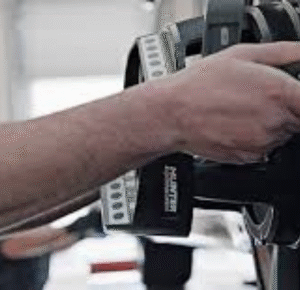
    Balancing machines detect even the tiniest variations in tire weight distribution. One small imbalance at 65 mph can feel like your steering wheel is having a panic attack. What these machines do is simple in theory, but incredible in execution. They measure, pinpoint, and allow the tech to correct the imbalance with precision-weight placement.

    Honestly, balancing is like chiropractic work for your tires — subtle, satisfying, and essential. Especially when you’re racking up highway miles.


    Building a Proper Alignment Station

    Here’s the deal: a good alignment doesn’t happen by accident. It takes intention — and the right setup. A well-equipped garage isn’t just running on fumes and elbow grease; it runs on planning. And part of that planning is investing in a solid shop alignment kit.

    These kits typically bundle together everything a shop needs to run professional-level alignments — racks, clamps, targets, sensors, and calibration tools. No piecemeal mess, just a cohesive setup that works in harmony. Think of it as the difference between a garage band and a studio-recorded album. Same players, sure, but a world of difference in execution.

    For shops serious about delivering consistent, accurate results, a full kit isn’t optional. It’s foundational.


    Why All This Matters to You (Yes, You)

    Maybe you’re not the one wielding the wrench. Maybe you just want your car to drive straight, your tires to last, and your gas mileage to hold up. That’s fair. But knowing a little bit about what goes into proper alignment helps you spot good service from gimmicks.

    A shop that uses quality alignment parts, invests in up-to-date balancing machines, and runs a full-scale alignment station isn’t cutting corners. They’re showing respect for your time, your safety, and your ride.

    In an age where everything’s fast and automated, alignment work remains surprisingly hands-on. It takes a sharp eye, a steady hand, and the right tools. It’s equal parts science and feel — which is why the best alignment shops are still respected like old-school craftsmen. Because they earn it, one turn of the wrench at a time.


    The Final Turn

    Let’s wrap this up, shall we?

    The next time your car pulls to one side or your tires wear funny, remember it’s more than just a service checklist item. It’s a whole process backed by specialized tools, deliberate setups, and often-overlooked parts that deserve their due.

    Whether you’re in the industry or just trying to keep your daily commute comfortable, there’s real value in knowing what happens when your vehicle rolls into the alignment bay. And maybe — just maybe — you’ll even feel a little more grateful the next time your car glides straight and true down the highway, all thanks to the unsung trio: alignment parts, balancing machines, and a trusted shop alignment kit.

  • The Day My Water Got an Upgrade: How We Transformed Our Daily Routine from the Tap Up

    The Day My Water Got an Upgrade: How We Transformed Our Daily Routine from the Tap Up


    I used to think water was water. You turn the handle, fill your glass, and drink. Simple. Except… it never really tasted quite right. Sometimes metallic. Sometimes just flat. Our dishes had streaks. The shower left my skin dry and itchy. And our kettle? Constantly coated in white scale no matter how often we descaled it.

    For the longest time, I chalked it up to “that’s just how it is.” But after a weekend at a friend’s house where everything tasted fresher—yes, even the water—I realized we were settling for less in our own home.

    So we decided to dive in (pun absolutely intended) and give our home water a proper overhaul. And the first thing we did was install a whole house water softener.


    Where the Problem Really Started

    We live in a hard water area—lots of minerals, especially calcium and magnesium, floating around in the supply. Not dangerous, just inconvenient. It left our clothes stiff after washing. Our hair never felt clean. Appliances wore out faster than they should.

    Sure, we had those little plug-in water filter pitchers and showerhead filters. But it wasn’t enough. We needed something that treated the water before it even reached the tap.

    Enter the softener. It might not look like much—just a couple of tanks in the garage—but the moment we had it installed, we started noticing changes. Soap lathered more easily. Glassware came out sparkling. And honestly? Showering felt… softer. Not just the water, but the whole experience.

    It was one of those “why didn’t we do this sooner?” moments.


    Then Came the RO Revelation

    While softening the water made a huge difference for cleaning and comfort, we weren’t quite done. The taste of our drinking water still left something to be desired. It was clear, but not exactly clean.

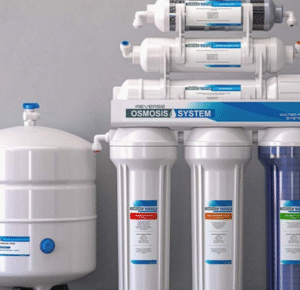
    So we added a reverse osmosis system under the kitchen sink—specifically for drinking and cooking. RO systems filter water through a super-fine membrane, removing everything from chlorine to lead to weird-tasting trace elements. What comes out is fresh, crisp, and honestly better than any bottled water I’ve ever bought.

    Our morning coffee? Bold and smooth. The soup I made last week? Somehow richer. Even our dog started drinking more water (no joke). I catch myself refilling my glass more often, and it’s become one of those little joys you don’t realize you were missing until you finally fix it.


    It’s Not Just About Taste—It’s About Trust

    I’ll admit, part of my motivation wasn’t just comfort. It was health. With everything in the news about water quality and aging pipes, I didn’t want to wonder whether what we were drinking was technically okay. I wanted to be sure.

    The RO system gave us that peace of mind. Combined with the softener, it turned our water from something we tolerated into something we enjoyed. And honestly? That’s worth something.

    And I know it might sound excessive to have both systems, but they actually complement each other. The softener protects the RO membrane from hard water damage, which means less frequent filter changes and better long-term performance.


    Don’t Forget Everyday Filtering

    Of course, not everyone’s ready to jump straight into RO systems and whole-home solutions. And that’s okay. Even simple tap water filtration setups can make a noticeable difference.

    Before we upgraded, we tried a few faucet-mounted filters. They’re not perfect, but they’re a step in the right direction—especially if you just want to cut down on chlorine or sediment. If you rent, or you’re on a tight budget, there are still good options out there that don’t require calling a plumber.

    Sometimes just knowing you’re doing something to improve what comes out of your faucet is enough to feel better about your water—and that’s a good place to start.


    What I Wish I Knew Sooner

    Looking back, I wish someone had told me sooner that your water quality affects everything. Your skin. Your laundry. Your cooking. Even your energy bills (hard water wears appliances out faster, which makes them work harder).

    I also wish I’d known it didn’t have to be complicated. Installation was quick. Maintenance is minimal. The systems run quietly in the background, and all we have to do is change a filter now and then. No fuss, no constant fiddling.

    The upfront cost felt like a leap at the time, but over the long run? It’s one of the best investments we’ve made in our home—and in ourselves.


    Final Sip

    Water might be one of the simplest parts of our day, but improving it changed a lot more than I expected. From clearer skin to tastier meals, from cleaner dishes to actual peace of mind—it’s been a total game-changer.

    Whether you’re thinking about a whole house water softener, a reverse osmosis system, or just starting small with tap water filtration, I can tell you this: it’s worth it. You don’t have to settle for water that’s “fine.” You deserve better than that.

  • From Tap to Transformation: How Tankless RO Systems Are Changing the Way We Drink Water

    From Tap to Transformation: How Tankless RO Systems Are Changing the Way We Drink Water

    I’ll be honest with you—I never used to think twice about the water coming out of my tap. As long as it was cold and didn’t smell funny, it was “good enough,” right? But over time, I started to notice things. That weird aftertaste in my tea. The hard, chalky residue on my kettle. And my skin? Let’s just say it didn’t love the minerals.

    So I did what most people do when something nags at them: I Googled. Fell down a rabbit hole of reviews, opinions, and plumber forums (those are real, by the way). That’s when I stumbled across something I hadn’t considered before: tankless RO system install solutions. And let me tell you, it wasn’t just a tech upgrade—it was a lifestyle one.


    Water Filtration Isn’t Just About Taste—It’s About Trust

    Let’s face it, municipal water treatment gets the job done. But it’s designed for mass consumption, not personal preference. That’s where home filtration systems shine—they allow us to tailor the water we drink and use to what we actually need.

    Some folks want to remove chlorine taste. Others need help with heavy metals or microbes. Families with kids may be worried about nitrates or lead. And then there’s the eco-conscious crowd (hi, that’s me) who just want to stop buying plastic jugs of water. Whatever the reason, people are waking up to the idea that tap water could be better—and now it can be.

    Which brings us to the real game-changer: custom water filtration systems.

    This isn’t a one-size-fits-all filter from the clearance aisle. This is where water treatment becomes personalized. You can mix and match pre-filters, UV sterilizers, remineralization cartridges—you name it. It’s like building a playlist, but instead of songs, you’re choosing what flows through your pipes.


    Why Tankless RO Feels Like the Future

    Reverse osmosis (RO) isn’t new. But traditional systems usually include a big ol’ storage tank that sits awkwardly under the sink. It fills slowly, takes up valuable space, and can become a breeding ground if not maintained properly. That’s not ideal.

    Enter tankless RO systems. No waiting for a tank to fill. No bulky setup hogging your cabinet. Just clean, fresh water on demand.

    And get this—it’s not just convenient, it’s more efficient too. Many of these modern systems come with smart flow sensors, automatic flushing, and digital displays that tell you when it’s time to change filters. No more guessing. No more “uh-oh” moments when your glass smells like pennies.

    I recently had a tankless RO system install done in my kitchen, and it was genuinely one of the smoothest home upgrades I’ve experienced. The plumber was in and out in a couple hours, no drywall demolition, no pipe drama. And now I get glass after glass of crisp, delicious water. My coffee even tastes better (and that’s saying something).


    Setting Up a Reverse Osmosis System: It’s Not as Scary as You Think

    Now, if the words reverse osmosis make your brain start sweating, take a breath. You don’t need to be a chemist to understand how it works. In simple terms, RO forces water through a semi-permeable membrane that catches contaminants. What comes out the other side? Purity.

    A proper reverse osmosis setup involves a few key elements: pre-filters to handle sediment and chlorine, the RO membrane itself, and post-filters to polish the final taste. Most systems now include a TDS (total dissolved solids) monitor so you can see how clean your water really is.

    Installation can be DIY if you’re handy and have the right tools, but most folks prefer to hire a pro—especially if they’re going under the sink, tapping into a cold line, or cutting into countertops for a new faucet. Either way, once it’s in, the maintenance is surprisingly minimal. Just change the filters every 6–12 months, depending on your water source and usage. Easy.


    Final Thoughts: Water, Reimagined

    You know how sometimes a little change ends up making a big difference? That’s what installing an advanced RO system has felt like for me. I didn’t expect it to change how I feel about something as basic as water, but it did.

    I drink more of it now, because it tastes good. I worry less about what’s in it, because I know what’s being filtered out. And I appreciate the little ritual of filling my glass, knowing it’s one of the healthiest choices I make every day.

    So if your tap water’s been “just fine,” maybe it’s time to imagine what “amazing” might taste like.

    Cheers to clearer water—and clearer decisions.

  • Solar Tree – A Green Innovation for a Sustainable Future

    Solar Tree – A Green Innovation for a Sustainable Future

    In the age of growing environmental consciousness and rapid urbanization, finding innovative ways to harness renewable energy is more important than ever. One such groundbreaking invention is the solar tree, a structure designed to mimic the shape of a tree while generating solar power through strategically placed photovoltaic (PV) panels. These aesthetically pleasing and space-efficient installations are becoming increasingly popular in cities, educational campuses, parks, and commercial spaces.

    What is a Solar Tree?

    A solar tree is an artificial structure that resembles a natural tree, but instead of leaves, it features branches fitted with solar panels. These “branches” are mounted at different angles to maximize sunlight capture throughout the day. The design allows for the installation of multiple panels in a limited space, often vertically, which significantly reduces the land footprint required for solar energy generation.

    Typically, a solar tree can power streetlights, benches with charging stations, Wi-Fi hotspots, and even homes and buildings when scaled properly. They can be customized in size and energy output depending on the needs of the location where they are installed.

    Advantages of Solar Trees

    1. Space Efficiency
      One of the biggest benefits of a solar tree is its space-saving design. Unlike conventional solar farms that require large tracts of land, solar trees take up very little ground space while still delivering a high energy yield.
    2. Eco-Friendly
      Solar trees contribute significantly to the reduction of carbon emissions and dependency on fossil fuels. Since they operate solely on sunlight, they produce clean and renewable energy that does not harm the environment.
    3. Urban Integration
      These installations are perfect for urban areas where space is limited. They can be placed in parks, sidewalks, or even building courtyards, integrating seamlessly into the cityscape while promoting sustainability.
    4. Educational and Aesthetic Appeal
      Besides their practical uses, solar trees also serve as educational tools, raising awareness about renewable energy. Their modern and futuristic design adds a visual appeal to the surroundings.
    5. Multi-functional Utility
      Many solar trees come equipped with additional features such as LED lighting, USB charging ports, weather sensors, and public information displays, making them functional community hubs.

    Applications of Solar Trees

    • Urban Infrastructure: Used in smart cities to power street lighting, public charging stations, and information kiosks.
    • Educational Institutions: Serve as demonstration models for renewable energy education while also supplying power.
    • Parks and Gardens: Offer shaded seating areas with integrated solar-powered amenities.
    • Commercial Complexes: Help businesses offset electricity costs and showcase their commitment to sustainability.

    Notable Projects and Innovations

    Countries like India, the United States, and Germany are investing heavily in solar tree installations. In India, the Central Mechanical Engineering Research Institute (CMERI) has developed various models, some capable of generating up to 5 kW of power daily. These trees are being deployed in smart cities, railway stations, and government buildings as part of broader green initiatives.

    Meanwhile, in the United States, solar trees are becoming a common sight in university campuses and tech company headquarters. Innovations in design continue to improve efficiency, with some models incorporating rotating panels that follow the sun’s path for maximum energy capture.

    The Future of Solar Trees

    The future of solar trees looks bright, especially as urban populations grow and the need for sustainable infrastructure increases. Advances in solar panel technology and energy storage solutions will only enhance their efficiency and utility.

    Incorporating renewable energy solutions like solar trees into daily life is no longer a futuristic concept—it’s happening now. Their potential to revolutionize how we think about space, design, and energy consumption makes them an integral part of the green transition.

    Conclusion

    The solar tree is a shining example of innovation meeting sustainability. With its unique blend of functionality, aesthetic appeal, and environmental benefit, it is a forward-thinking solution to the energy challenges of today and tomorrow. As awareness and adoption grow, solar trees will undoubtedly play a significant role in creating greener, smarter cities for future generations.

    Ask ChatGPT

  • Variable Speed‑Limit Signs (VSLS): Innov8 Keeping Roads Safer

    Variable Speed‑Limit Signs (VSLS): Innov8 Keeping Roads Safer

    Variable Speed-Limit Signs (VSLS) are a cutting-edge technology revolutionizing road safety. Innov8’s innovative approach to implementing these signs is making roads safer for drivers and pedestrians alike. Discover how this advanced system is transforming the way we navigate roads and highways.

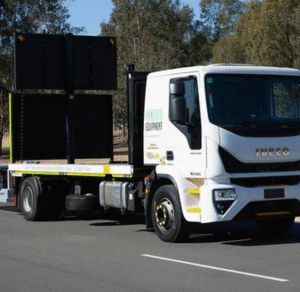
    INNOV8 Equipment offers cutting-edge solutions for modern roadways. Their Variable Speed-Limit Signs dynamically adjust speed limits, improving traffic flow and safety. By incorporating the latest technology, these signs respond to real-time conditions, reducing congestion and accidents. Discover how INNOV8 Equipment is leading the way in smart road safety solutions today.

    Introduction to Variable Speed-Limit Signs

    Variable speed-limit signs are a modern innovation in traffic management that allows authorities to dynamically adjust speed limits on highways based on real-time traffic and weather conditions. These signs are equipped with sensors and communication systems that enable them to provide drivers with up-to-date information on the safest and most efficient speed limits for the current conditions. By adjusting speed limits in response to factors such as congestion, accidents, adverse weather, or road work, variable speed-limit signs aim to improve traffic flow, reduce congestion, enhance safety, and ultimately make driving a more efficient and pleasant experience for motorists.

    One of the key advantages of variable speed-limit signs is their ability to enhance safety by encouraging drivers to adjust their speed based on the prevailing conditions. By providing real-time information on changing road conditions, these signs help to mitigate the risk of accidents and reduce the likelihood of traffic congestion. Additionally, variable speed-limit signs have the potential to improve traffic flow and reduce travel times by preventing abrupt slowdowns and maintaining a smoother, more consistent pace of traffic. Overall, the introduction of variable speed-limit signs represents a significant step towards creating a more intelligent and responsive transportation system that prioritizes safety, efficiency, and the overall well-being of road users.

    Importance of Road Safety in Modern Transportation

    Road safety is of paramount importance in modern transportation due to the increasing number of vehicles on the roads and the potential risks involved in travelling. Ensuring road safety not only protects the lives of drivers and passengers but also pedestrians and cyclists who share the roadways. Adhering to traffic rules, maintaining proper vehicle maintenance, and following safe driving practices can significantly reduce the number of accidents and fatalities on the roads. With the advancement of technology, road safety measures such as electronic stability control, automatic emergency braking, and lane departure warnings have been integrated into modern vehicles to enhance safety on the roads. Additionally, promoting awareness through public education campaigns and enforcing strict penalties for traffic violations play a crucial role in encouraging responsible behavior among road users.

    In modern transportation, road safety is not just a matter of personal well-being but also has economic implications. Accidents and traffic congestion resulting from unsafe driving practices can lead to significant financial losses for individuals, businesses, and governments. Improved road safety measures can reduce the economic burden associated with road accidents, such as medical costs, property damage, and loss of productivity. Moreover, ensuring road safety fosters a conducive environment for sustainable transportation systems, leading to reduced carbon emissions and environmental impacts. By prioritizing road safety in modern transportation, we can create a safer, more efficient, and environmentally-friendly transportation network that benefits society as a whole.

    Innov8 Equipment Variable Speed Limit Signs Vsls are a critical innovation in enhancing road safety and efficiency. By dynamically adjusting speed limits based on real-time conditions, these signs help to prevent accidents and optimize traffic flow. They contribute to economic savings by reducing congestion and lowering accident-related costs.

    Benefits of Implementing Variable Speed-Limit Signs

    Implementing variable speed-limit signs can bring about several benefits for improving road safety and traffic flow. One major advantage is the ability to dynamically adjust speed limits based on real-time traffic conditions, weather, and road hazards. This flexibility allows authorities to better manage traffic flow and prevent congestion by slowing down or speeding up vehicles as needed. By setting appropriate speed limits, the likelihood of accidents caused by speeding or sudden stops can be reduced, leading to a safer driving environment for all road users. Moreover, variable speed-limit signs can help to mitigate the impact of adverse weather conditions, such as heavy rain or fog, by lowering speed limits to account for reduced visibility and road traction.

    Another benefit of implementing variable speed-limit signs is their effectiveness in improving overall traffic efficiency and reducing travel times. By optimizing speed limits according to traffic volume and congestion levels, these signs can help vehicles maintain a consistent speed, promoting smoother traffic flow and reducing the likelihood of bottlenecks. This can lead to a more predictable and efficient driving experience for motorists, resulting in reduced travel times and fuel consumption. Additionally, variable speed-limit signs can enhance driver compliance with speed limits by providing real-time feedback and adjusting limits based on the prevailing conditions, ultimately contributing to a more harmonious and safer driving environment on the roads.

    Technology Behind Variable Speed-Limit Signs

    Variable speed-limit signs utilize advanced technology to improve traffic flow and safety on roadways. These signs are equipped with sensors that monitor real-time traffic conditions, such as congestion, weather, and accidents. The data collected from these sensors is processed by a control system that dynamically adjusts the speed limit displayed on the signs. This allows for the speed limit to be tailored to the current driving conditions, promoting smoother traffic flow and reducing the likelihood of accidents. The technology behind variable speed-limit signs also enables authorities to remotely control and update speed limits based on changing circumstances, providing a flexible and adaptive solution to manage traffic on busy roads.

    Furthermore, variable speed-limit signs are often integrated with intelligent transportation systems (ITS) to enhance their functionality. These signs can be connected to traffic management centers, allowing traffic operators to monitor and respond to traffic conditions in real-time. By leveraging communication networks and data analytics, variable speed-limit signs can be part of a larger traffic management system that optimizes traffic flow, reduces congestion, and improves overall road safety. This integration of technology not only improves the effectiveness of variable speed-limit signs but also creates a more intelligent and connected transportation network for better traffic management.

    Case Studies: Successful Implementation of VSLS

    Case studies on successful implementation of Virtual Small Learning Sets (VSLS) showcase the effectiveness and impact of this innovative educational approach. One notable case study involves a high school that integrated VSLS into their curriculum to enhance student engagement and collaboration. By breaking down traditional classroom barriers, students were able to connect with peers from different backgrounds and collaborate on projects in a virtual setting. This implementation not only improved academic performance but also nurtured essential skills such as teamwork, communication, and problem-solving. The success of this case study highlights the potential of VSLS to transform traditional education models and create dynamic learning environments that cater to diverse student needs.

    Another compelling case study revolves around a corporate training program that utilized VSLS to deliver interactive and personalized learning experiences to employees across different locations. Through virtual platforms, employees were able to participate in real-time simulations, virtual workshops, and collaborative projects, irrespective of geographic constraints. This approach not only increased employee engagement and retention but also facilitated continuous professional development. The case study illustrates how VSLS can revolutionize corporate training by providing accessible and cost-effective solutions that align with modern workforce demands. Overall, these case studies underscore the versatility and effectiveness of VSLS in diverse educational and professional settings.

    Public Perception and Acceptance of Variable Speed-Limit Signs

    Public perception and acceptance of variable speed-limit signs play a crucial role in shaping the effectiveness of these traffic management tools. Initially, there may be some skepticism and resistance from the public due to unfamiliarity with this technology or concerns about government control over driving speeds. However, as drivers become more educated about the purpose and benefits of variable speed-limit signs, acceptance tends to increase. Public perception can be influenced by factors such as the reliability of the technology, consistency in implementation, and transparent communication about the reasons behind speed adjustments. Positive experiences, such as smoother traffic flow, reduced congestion, and improved safety, can also contribute to greater acceptance of variable speed-limit signs among the public.

    Moreover, public perception is closely linked to the effectiveness of variable speed-limit signs in addressing traffic challenges. When drivers perceive that these signs are responsive to changing traffic conditions and help prevent accidents or improve overall traffic flow, they are more likely to support their use. Building trust in the system through accurate speed recommendations and timely adjustments can enhance public acceptance. Additionally, clear signage, user-friendly interfaces, and public awareness campaigns can help educate drivers about the benefits of variable speed limits and alleviate concerns about their implementation. Ultimately, a positive public perception of variable speed-limit signs can lead to increased compliance and cooperation from drivers, contributing to safer and more efficient roadways.

    Effectiveness of VSLS in Reducing Accidents and Congestion

    Vehicle-to-everything (V2X) communication using Very Short Range Communication (VSLS) technology has shown promising results in reducing accidents and congestion on roadways. By allowing vehicles to communicate with each other and with infrastructure such as traffic lights and road signs, VSLS enables real-time exchange of information about traffic conditions, road hazards, and potential collisions. This proactive approach to sharing data helps drivers make informed decisions, such as adjusting their speed or changing lanes to avoid accidents. Studies have shown that vehicles equipped with VSLS technology can detect potential dangers earlier and react faster than human drivers, leading to a significant reduction in rear-end collisions and other types of accidents.

    Furthermore, the use of VSLS can also help alleviate traffic congestion by optimizing traffic flow and reducing unnecessary stops and delays. By coordinating vehicles’ movements and advising drivers on the most efficient routes and speeds, VSLS can smooth out traffic patterns and prevent bottlenecks. This not only improves overall traffic flow but also reduces emissions and fuel consumption, making transportation more efficient and sustainable. As VSLS technology continues to advance and become more widespread, its effectiveness in reducing accidents and congestion is expected to further improve, making roads safer and more efficient for all users.

    Challenges in Implementing Variable Speed-Limit Signs

    Implementing variable speed-limit signs on roadways presents several challenges that must be carefully addressed to ensure their effectiveness. One primary challenge is the need for thorough planning and coordination among various stakeholders, including transportation agencies, law enforcement, and local governments. Determining appropriate speed limits based on real-time traffic conditions, weather, and other factors requires input from experts in traffic engineering and data analysis. Additionally, ensuring that the signage system is compatible with existing infrastructure and can communicate effectively with drivers is crucial for successful implementation. Coordinating the installation and maintenance of variable speed-limit signs across different jurisdictions can also present logistical challenges that need to be carefully managed.

    Another challenge in implementing variable speed-limit signs is gaining public acceptance and compliance. Drivers may be resistant to changing speed limits dynamically, especially if they are used to fixed speed signs or perceive the changes as arbitrary. Educating the public about the benefits of variable speed limits, such as improved traffic flow, reduced congestion, and enhanced safety, is essential to garner support and encourage compliance. Additionally, ensuring that the signage is clear, visible, and easily understood by drivers is critical to avoid confusion and prevent unintended consequences. Law enforcement agencies may also need to be involved in enforcing variable speed limits and addressing any concerns or objections from the community to ensure the successful implementation of this innovative traffic management tool.

    Future Developments and Trends in Road Safety Technology

    Future developments and trends in road safety technology are rapidly advancing to enhance the safety of drivers, passengers, and pedestrians. One emerging technology is vehicle-to-vehicle communication, which allows vehicles to communicate with each other to prevent collisions and improve traffic flow. This technology enables cars to exchange information about their speed, position, and direction, allowing them to anticipate potential accidents and take preventive measures. Another exciting development is the use of artificial intelligence (AI) in road safety technology. AI-powered systems can analyze data from various sources, such as traffic cameras, sensors, and weather conditions, to predict potential hazards on the road and alert drivers in real-time. These systems can also assist in decision-making processes, such as lane-keeping assistance and adaptive cruise control, to improve overall road safety.

    Furthermore, the integration of advanced driver-assistance systems (ADAS) is expected to become more widespread in vehicles in the near future. ADAS technologies include features such as automatic emergency braking, lane departure warning, and adaptive headlights, which help drivers avoid accidents and reduce the severity of collisions. As these technologies become more advanced and affordable, they are likely to become standard in all new vehicles, further improving road safety for all road users. Additionally, the development of autonomous vehicles is a significant trend in road safety technology. These self-driving cars have the potential to significantly reduce human errors, which are the leading cause of accidents on the road. As autonomous technology continues to evolve, it has the potential to revolutionize the way we travel and dramatically reduce traffic accidents and fatalities.

    Conclusion: The Role of VSLS in Enhancing Road Safety

    In conclusion, the role of Vehicle Safety and Lane-Keeping Systems (VSLS) in enhancing road safety cannot be overstated. These advanced technologies have significantly contributed to reducing accidents and fatalities on the roads by providing drivers with crucial assistance and support. The inclusion of features such as automatic emergency braking, lane departure warnings, and adaptive cruise control in modern vehicles has revolutionized the way we approach road safety. By alerting drivers to potential dangers, helping maintain a safe distance from other vehicles, and even taking control in emergency situations, VSLS have proven to be essential in preventing accidents and saving lives.

    Furthermore, the continuous development and integration of VSLS into vehicles are paving the way for a future where road accidents are significantly reduced, if not eliminated altogether. As technology advances and becomes more sophisticated, these systems will only become more effective in ensuring the safety of drivers, passengers, and pedestrians alike. The ongoing research and innovation in this field promise to bring about a new era of road safety, where accidents are rare occurrences rather than everyday risks. It is clear that VSLS play a vital role in making our roads safer and will continue to be a key component in road safety efforts moving forward.


  • Jewelry That Carries the Weight of Forever

    Jewelry That Carries the Weight of Forever

    Jewelry has always held a special place in human culture, serving not only as decoration but as a symbol of deep meaning, commitment, and timeless connection. Among the many pieces that embody this profound significance, a green emerald ring stands out as a striking example of jewelry that carries the weight of forever. The green emerald, with its rich color and historical prestige, embodies eternal love, renewal, and enduring beauty, making it an ideal choice for those who seek to capture moments and emotions meant to last a lifetime.

    The idea of jewelry as a bearer of everlasting meaning goes beyond mere aesthetics. While precious metals and stones catch the eye, the true power of a piece lies in the memories and promises it represents. When someone wears a green emerald ring, it often signifies more than just fashion; it is a tangible expression of personal history, a token of promises made, and a connection between past, present, and future. This kind of jewelry transcends fleeting trends and becomes an heirloom, treasured and passed down through generations, carrying stories and legacies that endure through time.

    Emeralds have been prized for thousands of years, symbolizing fertility, rebirth, and love. Their captivating green hue, which can vary from light to deep forest tones, reflects nature’s vibrancy and life. This natural connection reinforces the idea of growth and renewal, making the green emerald ring a perfect symbol for relationships that are meant to evolve and strengthen with time. Unlike some gemstones that may fade in popularity, the emerald’s timeless appeal has remained constant, securing its place as a gemstone that truly carries the weight of forever.

    The craftsmanship behind jewelry that carries such significance is equally important. A green emerald ring is often designed with great care to highlight the stone’s unique qualities while ensuring durability and elegance. From the setting that protects the gem to the metalwork that frames it, every detail contributes to the ring’s ability to stand the test of time. High-quality materials combined with skilled artisanship ensure that the jewelry not only looks beautiful but also withstands the wear and tear of daily life, symbolizing strength and resilience.

    Moreover, jewelry with everlasting meaning often holds personal significance that cannot be replicated. A green emerald ring, for example, might be chosen for its connection to a birth month, cultural heritage, or a particular milestone. These personal associations imbue the piece with layers of meaning, making it more than just an accessory. It becomes a silent witness to important life events and emotions, a constant companion in the journey of life, and a reminder of the bonds that define us.Visit our blog for more Yearly Magazine.

    In addition to emotional value, jewelry that carries the weight of forever can also represent a wise investment. Precious stones like emeralds often maintain or increase their value over time, especially when paired with expert craftsmanship and well-maintained condition. This financial aspect adds another dimension to the symbolism of eternity — a green emerald ring is not only a symbol of lasting love but also a valuable asset that can be cherished for years to come.

    Ultimately, jewelry that carries the weight of forever is about more than just materials or design; it is about what the piece represents in the wearer’s life. A green emerald ring embodies tradition, beauty, endurance, and deep personal meaning, making it a fitting symbol for commitments and memories that are meant to endure through time. Whether given as a gift, inherited from ancestors, or chosen as a personal treasure, such jewelry is a celebration of life’s most significant moments, wrapped in elegance and the promise of forever.