A vehicle wrap is one of those upgrades that can change the entire feel of a car or commercial vehicle without the commitment of a permanent paint job. Whether the goal is to promote a business, protect the original finish, or create a distinctive personal style, the result depends on more than the design chosen on a computer screen. The material, installation process, and experience of the wrapping team all matter.
With so many wrap providers offering different prices and promises, choosing the right service can feel a little overwhelming. A low quote might look appealing, but it doesn’t always tell you what is included. Before making a decision, it helps to understand the details that separate a careful, professional installation from a rushed job.
Start With the Vinyl, Not Just the Color
Color is usually the first thing people think about when planning a wrap. Gloss black, satin gray, metallic blue, and bold commercial graphics all have their appeal. But the vinyl itself deserves just as much attention as the appearance.
A reputable installer should be able to explain the type of film being used, its intended application, expected durability, and maintenance requirements. For customers researching avery ics-certified cast films, the certification is worth understanding in context. Avery Dennison’s ICS certification program is associated with installers who meet specified training and installation standards, helping customers identify professionals with demonstrated knowledge of the company’s materials and techniques.
That doesn’t mean a certification alone guarantees a perfect result. Still, it can be a useful factor when combined with experience, quality materials, and examples of completed work.
Why Installer Experience Is So Important
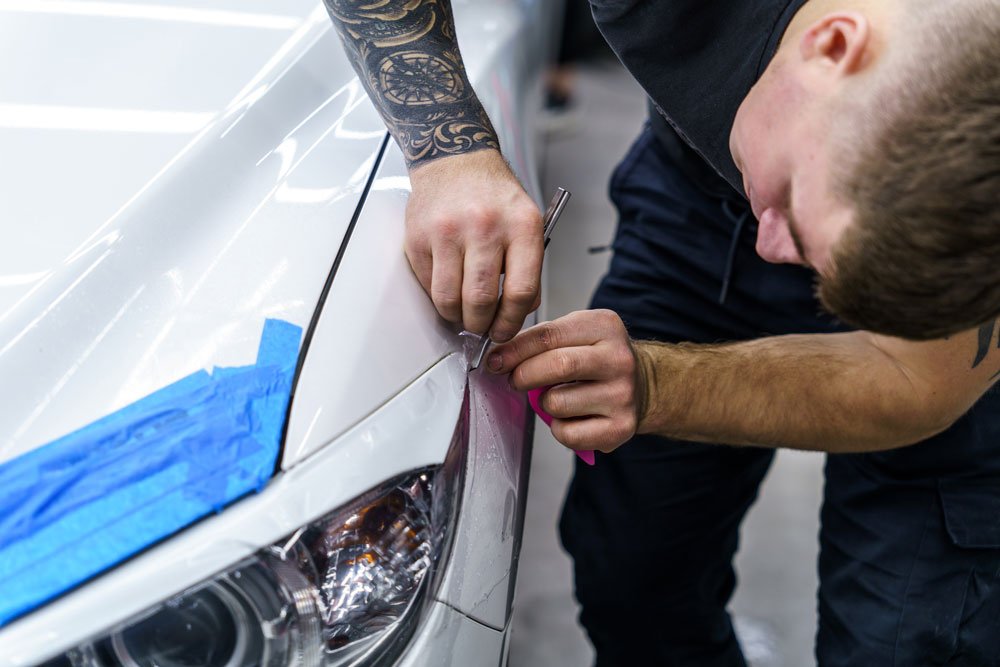
Wrapping a vehicle is not simply a matter of sticking vinyl onto a flat surface. Cars and vans have curves, recesses, edges, handles, mirrors, bumpers, and body lines that require careful handling. A material that looks easy to apply on a sample panel can become much more challenging when it has to follow a complicated vehicle contour.
Experienced installers know how to position film, manage tension, use heat appropriately, and avoid stretching the material beyond its limits. They also understand how to finish edges and seams so the wrap looks consistent rather than pieced together.
When comparing providers, ask how long they have been installing wraps and whether they have worked on vehicles similar to yours. A shop experienced with commercial vans may have a different specialty from one focused mainly on color-change wraps for luxury cars.
The Convenience of Mobile Installations
For busy business owners and fleet managers, taking several vehicles to a workshop can be inconvenient. This is where mobile installations may offer a practical alternative. Depending on the provider and the type of work involved, a mobile wrapping team may be able to complete certain projects at a customer’s business location, home, or another suitable site.
Mobile service can save time and reduce vehicle downtime, which is especially valuable for companies that rely on vans, trucks, or service vehicles every day. However, the installation environment still matters. The area should be clean, dry, adequately lit, and protected from excessive dust and weather conditions.
Not every job is suitable for mobile wrapping. Large, complex projects or installations requiring specialized equipment may be better handled in a controlled workshop. A professional provider should explain where the work can be completed safely and effectively rather than promising that every job can happen anywhere.
Preparation Is the Foundation of a Good Wrap
Even excellent vinyl cannot compensate for poor preparation. Before installation, the vehicle should be thoroughly cleaned to remove dirt, grease, wax, and other contaminants. Areas around trim, panel gaps, and edges need particular attention because residue in these places can interfere with adhesion.
The condition of the paint is also important. Peeling clear coat, rust, deep scratches, and damaged panels may affect how the vinyl adheres and how the finished surface looks. A wrap can conceal minor cosmetic imperfections, but it is not a substitute for repairing serious damage.
A careful installer will inspect the vehicle before giving a final recommendation. This step helps set realistic expectations and reduces the risk of problems appearing after the wrap has been applied.
Ask About Warranty-Backed Films
Durability is a major concern for anyone spending money on a vehicle wrap. Customers naturally want to know how long the material will last and what happens if something goes wrong. This is why asking about warranty-backed films can be useful.
Many established vinyl manufacturers offer limited warranties that may cover certain issues, such as premature fading, cracking, or adhesive failure, subject to specific conditions. Coverage can vary based on the film, application method, geographic region, exposure, and maintenance.
A warranty is not an unlimited promise. It may not cover damage caused by accidents, improper cleaning, neglected maintenance, or installation on unsuitable surfaces. Before signing off on a project, ask for the warranty details in writing and clarify whether the installer provides separate workmanship coverage.
Look Closely at Previous Work
A portfolio can tell you a great deal about an installer’s abilities. Look for completed projects that resemble what you want, rather than judging a provider only by one impressive photograph. Pay attention to difficult areas such as bumpers, door handles, mirrors, wheel arches, and panel edges.
If you’re planning a business wrap, examine how well logos, lettering, and design elements are aligned. If you’re choosing a color-change wrap, look for consistency across panels and neat finishing around seams.
It can also be helpful to read customer reviews with a practical eye. Look for comments about communication, punctuality, cleanliness, aftercare, and how the company handled concerns—not just whether customers liked the final color.
Understand the Maintenance Requirements
A wrapped vehicle still needs regular care. Gentle hand washing with a vinyl-safe cleaning product is generally a sensible approach. Harsh chemicals, abrasive brushes, and aggressive pressure washing near edges can cause unnecessary wear.
Owners should remove bird droppings, tree sap, and road grime promptly. Parking in a garage or shaded area may also help reduce prolonged exposure to sunlight. The exact care routine depends on the film’s finish and the manufacturer’s recommendations, so ask the installer for clear instructions.
Good maintenance won’t make a wrap indestructible, but it can help preserve its appearance and extend its useful life.
Choosing With Confidence
The right vehicle wrap service should offer more than an attractive design and a competitive quote. Look for clear communication, suitable materials, careful preparation, experienced installers, and realistic warranty information. These details may not be as flashy as choosing a new color, but they have a lasting impact on the finished result.
A well-installed wrap can make a vehicle look sharper, support a business’s visibility, and protect the original paint from some everyday exposure. Taking time to choose the right provider helps ensure that the investment delivers something you’ll be happy to see every time you walk up to the vehicle.