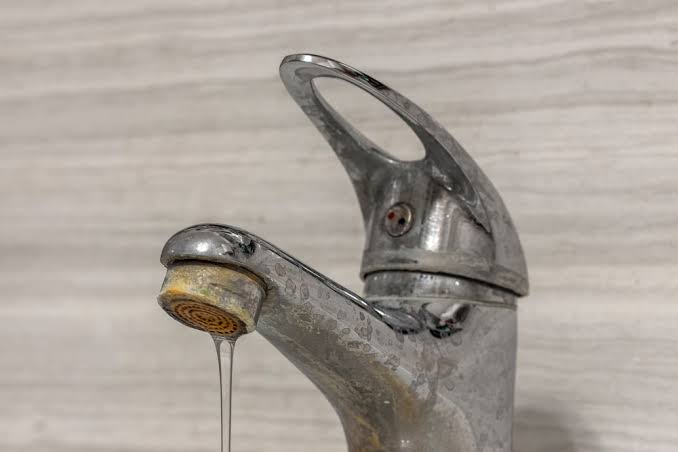
Water is one of those things most of us take for granted until something seems wrong. Perhaps the drinking water tastes a little different, white spots keep appearing on the bathroom taps, or laundry comes out feeling rough even after using a good detergent. Sometimes the signs are obvious. Other times, water problems remain hidden until they begin affecting appliances, plumbing, or everyday comfort.
The truth is that water quality can vary considerably from one home to another. The source, local infrastructure, plumbing condition, and seasonal changes can all influence what comes out of a tap. Finding the right solution starts with understanding those differences rather than buying the first product that promises cleaner water.
Why Water Quality Deserves More Attention
Water travels a long way before it reaches a kitchen sink. Along the route, it may encounter minerals, treatment chemicals, aging pipes, sediment, or naturally occurring substances from the surrounding environment. Public water supplies are generally treated and monitored, but that doesn’t mean every household will experience identical water conditions.
Private wells present a different situation. Their water quality can change because of rainfall, nearby agricultural activity, damaged well components, or changes in groundwater conditions. Even water that looks perfectly clear may contain substances that cannot be detected by sight, smell, or taste.
This is why testing matters. Instead of guessing what’s wrong, homeowners can use reliable results to identify the actual concern and choose a suitable treatment method. It’s a practical first step, and it often saves money in the long run.
Choosing a System That Fits Your Home
When homeowners start researching water filtration systems, the number of available options can feel overwhelming. There are countertop filters, under-sink units, whole-house installations, sediment filters, carbon filters, and specialized purification technologies. Each serves a different purpose, so the best choice depends on what needs to be removed and where treatment is required.
For example, a simple sediment filter can capture sand, rust particles, and other suspended material. Activated carbon filters can improve taste and odor by reducing certain chemicals, including chlorine in appropriately designed systems. Reverse osmosis units can reduce several dissolved contaminants, although performance depends on the system and the substances present in the water.
A whole-house system treats water as it enters the property, making it useful when a problem affects showers, laundry, appliances, and multiple taps. An under-sink filter, on the other hand, may be sufficient when the main concern is drinking and cooking water.
There’s no universal winner. A family dealing with hard water may need a softener rather than a standard drinking-water filter. Another household might need sediment removal before installing a more advanced purification unit. Matching the technology to the problem is what makes the investment worthwhile.
Understanding Municipal Water and Drinking Water Treatment
Municipal water typically passes through treatment facilities before being delivered to homes. Depending on the local supply, treatment may include filtration, disinfection, and processes designed to control particular contaminants. These steps are essential for protecting public health, but water can still pick up unwanted material as it moves through distribution pipes or household plumbing.
Effective municipal and drinking water treatment involves understanding both the original supply and the conditions at the point of use. For instance, a household may notice a chlorine-like taste even when the public supply meets applicable standards. A suitable carbon filter could improve the taste, provided it is certified and rated for the intended purpose.
Other concerns require a more careful approach. Lead can enter drinking water through certain plumbing materials, while nitrates and some dissolved contaminants may require specific treatment technologies. Boiling water does not remove these substances and can actually concentrate some contaminants as water evaporates.
If a concern involves potentially harmful contamination, consult the local water provider or a qualified testing laboratory before selecting equipment. A treatment system should be chosen based on test results, not broad marketing claims. Certification from a recognized organization can also help confirm that a product has been evaluated for specific reduction claims.
Well Water Requires a Different Approach
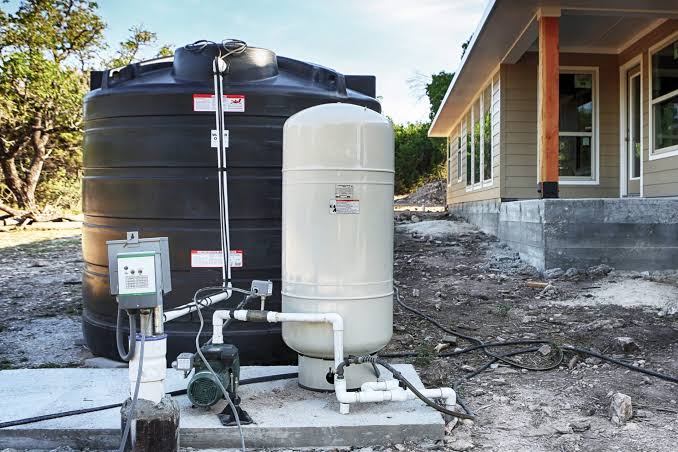
Private wells offer independence from municipal supplies, but they also place more responsibility on the property owner. There may be no routine public monitoring of an individual well, so regular testing becomes an important part of household maintenance.
The right well water treatment solutions depend on the source and the results of a water analysis. Some wells contain high levels of iron or manganese, which can leave reddish-brown stains on sinks, laundry, and fixtures. Others may have hardness minerals that create scale around taps and inside water heaters. In some locations, naturally occurring contaminants or bacteria can present more serious concerns.
Different problems require different equipment. Iron removal may involve oxidation and filtration, while hard water is commonly managed with an ion-exchange softener. Microbial contamination may require disinfection, such as a properly designed ultraviolet system or another suitable method. However, disinfection equipment must be selected and installed according to the specific risk, and it won’t necessarily remove chemical contaminants.
Well owners should test their water when the well is first used and continue testing periodically, following local public-health recommendations. Testing is especially important after flooding, repairs, unusual changes in taste or appearance, or any suspected contamination event. A professional can also inspect the well structure and identify potential pathways for pollutants to enter.
Don’t Overlook Maintenance
Even a well-chosen treatment system needs attention. Filters gradually collect material, cartridges reach the end of their useful life, and some systems require salt, sanitization, membrane replacement, or periodic performance checks. Ignoring maintenance can reduce effectiveness and, in certain circumstances, affect water quality.
Keep a record of installation dates, filter changes, service visits, and testing results. It doesn’t need to be complicated. A note on your phone or a reminder on the calendar is usually enough to prevent missed maintenance.
Pay attention to changes, too. A sudden drop in water pressure might indicate a clogged filter, while a return of unpleasant odors could signal that a cartridge needs replacement or that the underlying water condition has changed. These signs aren’t definitive diagnoses, but they’re useful reasons to investigate.
Look Beyond the Price Tag
The initial purchase price is only one part of the cost of treating water. Replacement filters, electricity, water waste, service visits, and installation requirements can all affect the long-term expense. A cheaper unit may seem attractive at first, yet prove less practical if its cartridges are expensive or difficult to obtain.
Before buying, ask what the system is designed to remove, whether performance claims have been independently verified, and how often components need replacing. Consider the household’s daily water use and whether treatment is needed at every tap or only for drinking water.
It’s also wise to avoid systems that promise to eliminate every possible contaminant without providing credible evidence. No single technology solves every water-quality problem. Honest recommendations should explain both what a system can do and what it cannot.
Making Better Water Decisions at Home
Good water treatment doesn’t have to mean installing complicated equipment throughout the house. Sometimes a basic filter is enough. In other cases, a water softener, specialized filtration unit, or combination of technologies may be more appropriate.
Start with the source, test when necessary, and focus on the concerns that actually affect your household. If the results are confusing, seek advice from a qualified water-treatment professional who can explain the options without pushing unnecessary equipment.
Water is part of nearly every daily routine, from making morning coffee to washing vegetables and taking a shower after a long day. Getting its quality right brings practical benefits, but it also brings peace of mind. The smartest solution isn’t necessarily the most expensive or advanced one. It’s the one that addresses your home’s real needs, works reliably, and continues to do its job with proper care.