Most people don’t think much about their water until something becomes annoying. Maybe the shower door keeps collecting white marks, the kitchen faucet needs cleaning every few days, or the washing machine seems to leave clothes feeling less fresh than expected. These little frustrations can add up. And while not every problem comes from water quality, the right treatment system can make a noticeable difference when minerals or other unwanted substances are involved.
The trick is to look beyond the equipment itself. A useful water-treatment setup should fit the household, work reliably, and make daily routines simpler rather than creating another maintenance headache. When you understand what your water needs, it’s easier to choose a solution that offers practical benefits without unnecessary expense.
Start With the Problems You Actually Notice
Every home has its own water-related challenges. Some households deal with hard water that leaves mineral deposits on fixtures. Others notice an unpleasant chlorine taste, sediment in the water, or staining caused by iron. In some cases, the water may be perfectly suitable for everyday use, and a new treatment system may offer little benefit.
Pay attention to recurring patterns. Do white spots appear on glassware after washing? Does soap leave a film on the bathtub? Are there unusual smells or changes in colour? These observations can help identify what deserves further investigation, although they can’t confirm the exact cause on their own.
Testing is a sensible starting point. A water test can measure hardness, pH, iron, dissolved solids, or selected contaminants, depending on the method used. If you’re concerned about health-related substances such as bacteria, lead, or nitrates, choose appropriate testing, potentially through a certified laboratory. A simple hardness test cannot answer every water-quality question.
Once the results are clear, you can compare treatment options with a better understanding of what needs to change. This prevents the common mistake of purchasing a system based on a dramatic sales demonstration rather than evidence.
Spend Less Time Cleaning Mineral Deposits
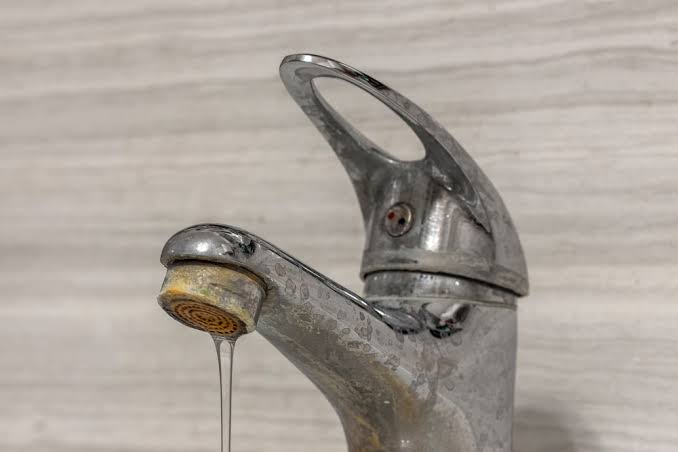
Hard water contains dissolved calcium and magnesium. When water evaporates from a surface, some of these minerals remain behind, creating the familiar chalky residue around faucets, showerheads, and glass doors. The deposits may be harmless in themselves, but they can make a clean bathroom look untidy surprisingly quickly.
For households dealing with persistent buildup, the right treatment may contribute to reduced cleaning time. A properly selected water softener can lower hardness by removing calcium and magnesium through ion exchange. With less scale forming, some surfaces may need less frequent scrubbing, and soap can work more effectively.
The difference depends on the home’s original water conditions and the equipment installed. A softener won’t remove every contaminant, and it won’t eliminate the need for ordinary cleaning. Still, reducing the source of a recurring problem can be more useful than repeatedly treating its visible symptoms.
It’s also worth checking whether deposits are actually caused by hardness. Certain cleaners, plumbing materials, or other water characteristics can produce similar marks. Testing helps avoid investing in a softener when another solution would be more appropriate.
Use Water More Thoughtfully
Water treatment isn’t only about improving appearance or taste. The way a system operates can affect household water consumption, maintenance needs, and long-term costs. These factors are easy to overlook when comparing equipment, especially when the advertised price is the main thing that catches your eye.
A system designed for optimized water efficiency should match the household’s actual demand. For example, an oversized unit may cost more than necessary, while an undersized one may struggle when several taps or appliances run simultaneously. Flow rate, storage capacity, regeneration requirements, and the type of treatment technology all deserve attention.
Reverse osmosis systems provide a useful example. They can reduce many dissolved substances when the selected model is designed and certified for them, but conventional systems also send some water to the drain during production. Their efficiency varies by design, so ask about wastewater ratios, filter replacement schedules, and expected output before making a purchase.
Water softeners have their own operating considerations. Traditional ion-exchange units use regeneration materials and water to restore their capacity. Correct sizing and settings can help avoid unnecessary regeneration, while regular maintenance keeps the system working as intended.
The goal isn’t to chase a perfect number on a product label. It’s to choose equipment that treats the identified problem while using resources sensibly.
Choose Equipment That Fits Your Household
A large whole-house system isn’t always the answer. If the main concern is drinking-water taste, a point-of-use filter beneath the kitchen sink may be sufficient. If hardness affects several bathrooms and appliances, a softener installed where water enters the property may be more appropriate.
Different technologies serve different purposes. Sediment filters capture particles, activated carbon can reduce certain tastes and odors, water softeners address hardness, and reverse osmosis membranes reduce a range of dissolved substances. No single technology should be assumed to remove everything.
Think about how your household uses water throughout the day. A busy family may need a higher flow rate than a single person living in a small apartment. Available installation space, plumbing layout, maintenance preferences, and replacement-part availability matter just as much as the equipment’s initial specifications.
Ask providers to explain what a recommended system is designed to reduce and how its performance has been verified. If a product makes broad claims, request documentation for the specific substances you’re concerned about. Clear information is far more valuable than a long list of features without context.
Why Ongoing Service Matters
Even a well-chosen system needs attention after installation. Filters gradually reach the end of their useful life, softeners require routine checks, and reverse osmosis membranes may need replacement. Ignoring maintenance can reduce performance and sometimes create additional problems.
Before buying, ask what regular servicing involves and which tasks you can safely handle yourself. Find out how often replacement parts are needed, whether they are readily available, and what professional servicing is likely to cost. Keep a record of installation dates, filter changes, and water-test results.
Reliable customer support can also make ownership less stressful. When a system develops a leak, water pressure changes, or a replacement part is difficult to identify, timely and clear guidance is valuable. Look for a provider that explains maintenance requirements, responds to questions, and helps you understand the limits of the equipment rather than promising that problems will never occur.
A little planning can prevent small maintenance issues from becoming expensive surprises.
Make a Decision You Can Feel Good About
Better water doesn’t have to mean a complicated home upgrade. Start by identifying the issue, test where appropriate, and compare equipment based on performance, installation needs, operating costs, and maintenance. If a recommendation seems excessive, take time to ask questions or seek another opinion.
The most suitable system is the one that solves a real problem and fits comfortably into everyday life. It should make water use more convenient without demanding more attention than your household can reasonably give it.
With clear information and a practical plan, water treatment becomes less about chasing the latest product and more about making a thoughtful improvement to your home. That’s a far better place to start.