You spend an afternoon cleaning the bathroom, only to find white spots covering the shower door a couple of days later. The kitchen faucet develops a chalky coating, freshly washed glasses look cloudy, and your favorite towels seem to have lost their softness.
It’s frustrating, especially when you’re putting in the effort to keep everything clean.
For many households, the underlying issue is hard water. Although mineral-rich water isn’t generally considered a health hazard because of its hardness, it can create a surprising number of everyday inconveniences.
Investing in suitable water treatment for hard water can help address these recurring problems at their source rather than spending countless hours dealing with their consequences.
Before purchasing equipment, though, it’s worth understanding what causes hardness and which treatment methods offer meaningful long-term benefits.
Why Hard Water Is Such a Common Household Problem
Water naturally collects minerals as it travels through soil and underground rock formations. Calcium and magnesium are the primary minerals responsible for hardness.
Depending on your location and water source, these minerals may be present in relatively small or substantial concentrations.
Florida, for instance, has extensive limestone formations that can contribute to mineral-rich groundwater.
The frustrating thing about hard water is that its effects often develop gradually. You might not notice anything unusual immediately, but over time, mineral deposits become increasingly difficult to ignore.
Soap may struggle to produce a satisfying lather, dishwasher results can become disappointing, and bathroom cleaning takes longer than expected.
These problems aren’t necessarily caused by poor cleaning habits or ineffective household products. Sometimes, the water itself is responsible.
Understanding the Damage Mineral Deposits Can Cause
Those white marks around your faucets might seem like a purely cosmetic concern. However, mineral deposits can accumulate in less visible places as well.
Persistent scale buildup on fixtures and appliances may restrict water flow, increase maintenance requirements, and interfere with the performance of certain household equipment.
Water heaters are particularly vulnerable because heating mineral-rich water can encourage scale formation.
Showerheads may develop blocked spray openings, while kettles and coffee makers often require frequent descaling.
Imagine purchasing a new appliance only to discover that mineral deposits are already forming inside it after several months. It’s hardly an ideal way to protect your investment.
Regular cleaning helps manage existing deposits, but addressing excessive hardness can help reduce future accumulation.
That distinction matters when you’re looking for a solution that lasts beyond your next cleaning session.
Finding the Right Water Softening Technology
Shopping for treatment equipment can feel overwhelming, particularly when different products appear to promise similar results.
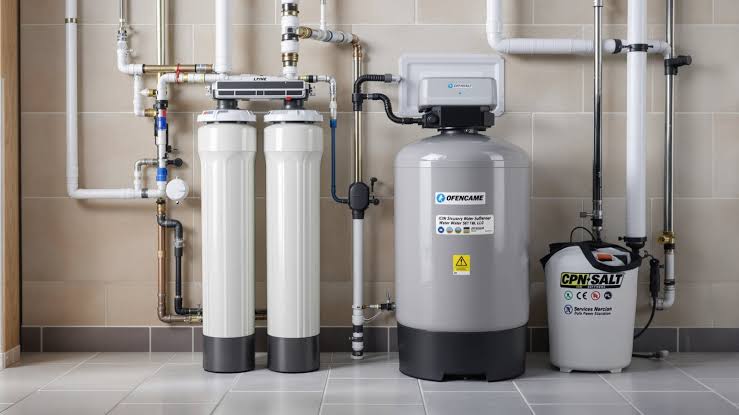
When comparing water softener options for homeowners, it’s important to understand the difference between conventional ion exchange equipment and salt-free conditioning technologies.
Traditional softeners reduce calcium and magnesium concentrations by exchanging hardness ions for sodium or potassium ions. The equipment periodically regenerates using a suitable salt solution.
Salt-free conditioners, meanwhile, are generally designed to manage scale formation rather than remove dissolved hardness minerals.
Both approaches have different capabilities, operating requirements, and limitations.
If your main priorities include improved soap lathering and reduced water hardness, conventional softening may be more appropriate.
The best choice depends on your incoming water characteristics, household preferences, available installation space, and maintenance expectations.
Why Water Testing Is a Sensible Starting Point
It’s tempting to assume you have hard water simply because your shower door looks cloudy. While visible mineral deposits offer useful clues, they don’t reveal the actual hardness level.
A suitable water hardness test can help establish mineral concentrations and guide equipment selection.
Private well owners may also need additional laboratory testing to investigate iron, microbial contamination, or other potential concerns.
Understanding your water before purchasing treatment equipment can prevent unnecessary expenses.
For example, a household with moderately hard water may require a different system capacity than a property experiencing exceptionally high mineral concentrations.
Reliable information takes much of the guesswork out of the decision.
Choosing a System That Keeps Up With Your Family
Every household has different water consumption habits.
A family that regularly runs several loads of laundry, takes multiple showers, and uses a dishwasher daily will place greater demands on treatment equipment than someone living alone.
Consider incoming hardness levels, average water consumption, and peak usage when selecting a system.
Equipment that’s too small may require frequent regeneration. Excessively large equipment could increase initial expenses without providing meaningful additional benefits.
Installation accessibility matters as well. You’ll want enough room to replenish regeneration supplies and arrange routine servicing comfortably.
Ask about long-term operating costs, salt consumption, and wastewater production before finalizing your decision.
Maintaining Your Softener Without Adding More Chores
Water softening equipment requires some attention, but routine maintenance doesn’t need to become another major household responsibility.
Check salt levels periodically, follow manufacturer servicing recommendations, and investigate unexpected changes in water hardness.
If mineral deposits begin returning, there could be an issue with regeneration settings, equipment components, or salt bridging inside the brine tank.
Periodic hardness testing can help verify whether the system continues performing effectively.
Remember that conventional softening doesn’t remove every potential contaminant. Separate drinking water treatment may be appropriate depending on your water quality and individual requirements.
A More Comfortable Home Starts With Small Improvements
Dealing with hard water doesn’t have to be an endless cycle of scrubbing, descaling, and replacing damaged household items.
A properly selected treatment system can help reduce these frustrations while making everyday cleaning more manageable.
Start with testing, compare suitable technologies, and choose equipment that fits your lifestyle and budget.
The rewards may become apparent in surprisingly ordinary moments, like unloading clearer glassware from the dishwasher or spending less time cleaning bathroom fixtures.
Sometimes, a worthwhile home improvement isn’t about changing how your property looks. It’s about making it easier to live in.
And having one less stubborn household problem to worry about sounds pretty good, doesn’t it?