There’s something oddly satisfying about small changes that make a big impact. You know, the kind that doesn’t shout for attention but slowly transforms the way your home feels—like switching to warmer lightbulbs or finally fixing that leaky faucet. Water softening falls right into that category. It’s not glamorous, it won’t win any design awards, but wow… it can totally change the game.
Especially if you’ve been living with hard water and didn’t even realize it.
It Starts with the Little Things
Let’s paint a picture. You step out of the shower and your skin feels a little tight. Your hair doesn’t quite bounce the way it used to. Dishes? They come out with cloudy spots even though you loaded them perfectly. And your freshly washed clothes? Somehow feel stiffer than when they went in.
Annoying, right?
Turns out, those are all classic signs of hard water—and it’s way more common than people think. It’s not dangerous per se, but it’s definitely a troublemaker. And unless you deal with it, it’ll keep picking away at your comfort and your appliances.
The Mineral Menace
Hard water is basically water loaded with minerals like calcium and magnesium. Sounds harmless (and honestly kind of nutritious, right?), but when those minerals stick around in your plumbing or layer up in your appliances, they’re anything but helpful.
Imagine a kettle crusted with white flakes, a showerhead spraying in every direction but down, or a washing machine that seems to age ten years in two. That’s hard water damage.
It doesn’t ruin things overnight—but give it time, and it will.
Why Softening Actually Matters
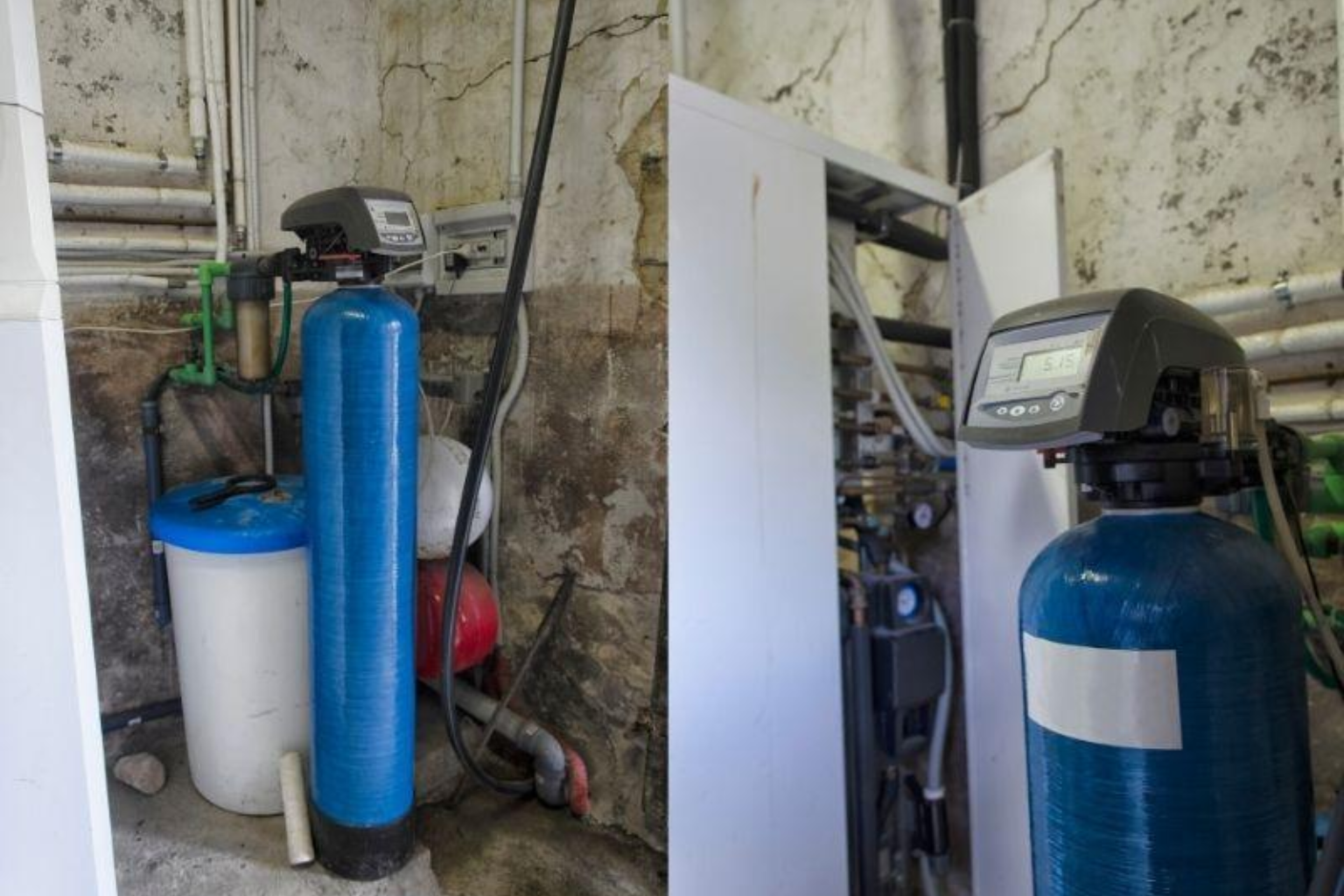
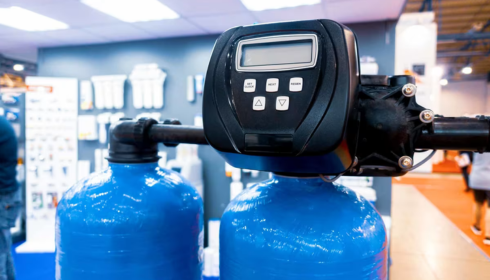
Here’s where water softening comes into play. It’s the quiet hero of household comfort, removing excess minerals before they get the chance to mess with your water pressure, your dishes, your towels, or even your skin.
The difference is subtle at first—like suddenly realizing your shampoo lathers better, or your razor glides more smoothly. But as the weeks go on, you’ll notice more: fewer spots on glasses, less soap scum on tiles, and appliances that don’t sound like they’re on their last leg.
In a world of quick fixes, soft water is the slow, steady win.
The Secret Cost of Hard Water
What’s interesting is how much people don’t realize they’re spending because of hard water. More detergent, more fabric softener, more shampoo. Extra cycles in the dishwasher. Shorter lifespans for hot water heaters.
All those little things? They add up.
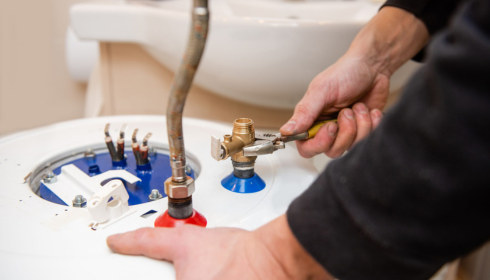
Soft water doesn’t just make your daily routine smoother—it actually makes your home run more efficiently. When your appliances aren’t clogged with mineral buildup, they work better. They last longer. Your water heater, for example, doesn’t have to fight through layers of scale to do its job.
That means lower utility bills. Less maintenance. And hey, maybe even a bit more peace of mind.
Thinking Bigger: Appliance Longevity
Let’s talk about those high-ticket items for a second—dishwashers, washing machines, water heaters. You invest good money into these things hoping they’ll last years. And yet, hard water quietly chips away at that timeline.
That’s why many homeowners turn to appliance protection systems. It’s not just about preserving what you’ve got; it’s about preventing early replacements and unexpected repairs.
It’s also about protecting newer tech. These days, appliances are smarter, sleeker, and more sensitive. They weren’t designed with mineral-rich water in mind. Giving them soft water is like feeding them premium fuel instead of the cheap stuff—it just works better.
Lifestyle Upgrade, Not Just a Utility Fix
One thing people often say after installing a softening system? “I didn’t know how bad it was until it got better.”
You don’t just feel the difference—you experience it. Softer towels, brighter clothes, smoother skin, shinier fixtures. Showers feel like, well, actual showers instead of weird drying rituals.
And don’t underestimate how nice it feels to stop scrubbing crusty white residue off your faucets every weekend. There’s a quiet joy in having things just… work.
Different Homes, Different Needs
Now, not every home is built the same, and neither is every water supply. City water vs. well water, old pipes vs. modern plumbing—these all factor into what kind of softening setup you might need.
Some people go all in with comprehensive systems. Others start small with faucet-specific solutions. The key is figuring out what makes sense for your space and your water quality.
And here’s the beauty of it—you don’t have to figure it all out alone. Most companies offer free consultations, or at the very least, guidance based on your location and usage.
A Soft Shift Toward Smart Living
Water softening isn’t just about comfort—it’s becoming part of a broader movement toward smarter, more sustainable homes. The kind of home that doesn’t just consume resources, but optimizes them.
When you treat your water with care, you treat your entire home with care. Plumbing stays cleaner. Fixtures stay newer. You end up buying fewer cleaning products. And you feel better about how you’re living, too.
That’s what people mean when they say modern homes should work with you, not against you.
In Closing: Water You Can Rely On
Water isn’t just water. It’s what fuels your morning routine, cleans your dishes, keeps your clothes fresh, and hydrates your family. So why settle for the version that quietly wreaks havoc?
Soft water is more than just a luxury—it’s a home improvement that pays for itself in comfort, cleanliness, and long-term savings.