Category: Education

  • Van Vibhag Driver Bharti: Online Application Process, Eligibility, and Career Scope

    Van Vibhag Driver Bharti: Online Application Process, Eligibility, and Career Scope

    Government jobs in India continue to attract lakhs of aspirants every year, and recruitment under the Forest Department (Van Vibhag) holds a special place among them. One such opportunity that consistently draws attention is van vibhag driver Bharti, a recruitment drive aimed at hiring skilled drivers to support forest operations, wildlife protection, and departmental logistics. With increasing digitisation, the application process has also evolved, making van vibhag bharti online the preferred and official way to apply.

    Working as a driver in the Van Vibhag is not just about driving government vehicles. It is a responsible role that directly supports forest officers, patrolling teams, and conservation efforts. From transporting staff to assisting during field inspections and emergency operations, drivers play a crucial role in the smooth functioning of the department.

    What is Van Vibhag Driver Recruitment?

    Van Vibhag driver recruitment is conducted by state forest departments as per vacancy requirements. These recruitments are usually released through official notifications on state government or forest department websites. Vacancies may vary from state to state, depending on forest area coverage, vehicle availability, and administrative needs.

    The recruitment process typically includes eligibility verification, a written or skill-based test, a driving test, document verification, and a medical examination. Candidates who clear all stages are appointed as government drivers under the forest department.

    Eligibility Criteria You Should Know

    Although exact eligibility conditions can differ slightly by state, the general requirements remain similar across India. Applicants are usually required to have passed at least the 8th or 10th standard from a recognised board. A valid heavy or light motor vehicle driving licence is mandatory, along with a minimum number of years of driving experience.

    Age limits generally fall between 18 and 40 years, with relaxation provided to candidates from reserved categories as per government rules. Physical fitness is also important, as the job may involve driving in forest terrain, hilly regions, or remote areas.

    Online Application Process Explained

    Today, most states have shifted to a digital system for recruitment. Through van vibhag bharti online portals, candidates can easily access notifications, fill out application forms, upload documents, and pay fees without visiting government offices.

    The process usually starts with registration on the official website, followed by filling in personal details, educational qualifications, and driving experience. Candidates must upload scanned copies of photographs, signatures, and required certificates. After successful submission, it is advisable to keep a printout of the application form and payment receipt for future reference.

    Selection Process and परीक्षा Pattern

    The selection process often includes a written exam focusing on basic knowledge, road safety rules, general awareness, and sometimes local language understanding. This is followed by a driving test, which evaluates practical skills, vehicle handling, and adherence to traffic norms.

    Medical fitness tests are also conducted to ensure candidates are physically capable of handling long-duty hours and challenging driving conditions often faced in forest regions.

    Salary, Benefits, and Job Security

    Van Vibhag drivers are appointed under government pay scales, which ensures stable income and long-term job security. In addition to monthly salary, employees may receive allowances such as DA, HRA, travel benefits, and pension benefits under applicable government schemes.

    The job also offers a sense of pride and purpose, as employees contribute directly to environmental protection and wildlife conservation efforts.

    Why This Recruitment Matters

    For candidates seeking a stable government job with respectable working conditions, van vibhag driver Bharti is a valuable opportunity. The online application system has made the process transparent, accessible, and efficient, allowing aspirants from rural and urban areas alike to apply with ease.

  • Building Full Stack Jamstack Applications with Static Site Generators

    Building Full Stack Jamstack Applications with Static Site Generators

    In recent years, Jamstack has emerged as a groundbreaking architecture for building fast, secure, and scalable web applications. Designed to offer high performance with minimal server reliance, Jamstack decouples the front end from the back end, leveraging APIs, static site generators, and powerful front-end frameworks to serve content efficiently. For developers interested in creating modern applications, enrolling in a full stack developer course is a great way to gain the foundational skills necessary to navigate this versatile approach. This article will explore the essentials of building full stack Jamstack applications, the role of static site generators, and how they help deliver robust, interactive user experiences.

    Understanding Jamstack and Its Advantages

    Jamstack stands for JavaScript, APIs, and Markup. It focuses on pre-rendering content and using APIs to deliver dynamic functionality, which results in improved performance, scalability, and security. The fundamental principle behind Jamstack is to offload as much processing as possible to the build stage, allowing the website or app to serve static files at runtime. This leads to reduced load times and enhanced performance, as static files can be served from CDN (Content Delivery Network) edges, making the application highly performant and resilient against traffic spikes.

    For developers or students aiming to dive into modern development practices, a Jamstack-focused full stack developer course often includes essential topics such as JavaScript frameworks, serverless functions, and database integration through APIs. With Jamstack, developers can build complex applications while ensuring that users experience rapid loading speeds and improved security, as the front end is separated from the back end through APIs.

    The Role of Static Site Generators in Jamstack

    Static site generators (SSGs) play a crucial role in the Jamstack ecosystem by transforming content and templates into static HTML files at build time. This enables content to be served without requiring a server to generate pages dynamically, enhancing the overall speed and reliability of applications. Popular SSGs like Next.js, Gatsby, and Hugo have become valuable tools for building Jamstack applications, offering features such as flexible templating, support for markdown files, and integration with various CMS platforms.

    Using static site generators, developers can craft seamless experiences without heavy server dependencies. This makes Jamstack architecture an attractive choice for businesses and developers looking to simplify their hosting setups, especially for content-heavy sites like blogs, e-commerce, and documentation platforms. Developers aiming to work in dynamic tech hubs, such as in hyderabad, may consider enrolling in a full stack course in hyderabad to gain hands-on experience with SSGs, Jamstack principles, and serverless technology to stay ahead in the job market.

    How Full Stack Development Complements Jamstack

    While Jamstack is front-end-focused, understanding full stack development is essential to maximize its potential. Full stack development skills enable developers to handle both client-side and server-side operations, making it easier to integrate APIs, manage databases, and build serverless functions. By mastering both front-end and back-end skills, developers can take full control of Jamstack applications, ensuring efficient data flow between client and server and optimizing each layer of the application.

    A full stack developer course provides practical training in crucial skills such as Node.js, Express, and MongoDB, which are instrumental in building APIs that connect the front end to the back end. Additionally, such courses typically cover cloud services like AWS and Firebase, which can be integrated into Jamstack applications for scalable, serverless architecture. This well-rounded expertise is invaluable, as full stack developers can then manage the entire Jamstack workflow, from configuring static site generators to implementing serverless functions that extend the capabilities of the static content served to users.

    Choosing the Right Static Site Generator for Your Jamstack Application

    With numerous static site generators available, selecting the right one depends on the project requirements, team expertise, and desired features. Some SSGs, like Gatsby, are built on React and offer extensive plugin ecosystems, making them ideal for highly interactive applications. Next.js, another popular choice, provides server-side rendering capabilities alongside static generation, which can be beneficial for applications that require both static and dynamic content.

    For beginners and intermediate developers in regions with burgeoning tech communities, such as those pursuing a full stack course in hyderabad, exposure to various SSGs is essential. A comprehensive full stack course usually covers multiple static site generators, enabling students to experiment and identify the best tools for their specific projects. Understanding the strengths and limitations of each generator helps developers create optimized, tailored applications and contributes to a smoother development workflow in the Jamstack paradigm.

    Leveraging APIs to Extend Functionality

    APIs are integral to Jamstack, providing the dynamic capabilities required for modern applications. Unlike traditional architectures that rely on complex server setups, Jamstack applications use APIs to fetch data on-demand, enabling a more modular approach to adding features. Whether integrating a headless CMS for content management or connecting to a third-party service like Stripe for payments, APIs allow Jamstack applications to handle dynamic data effectively without compromising speed or performance.

    A strong foundation in API integration is a valuable asset for developers building Jamstack applications. Full stack development courses often emphasize the importance of API handling, covering topics like RESTful APIs and GraphQL, which are frequently used in Jamstack projects. By understanding these technologies, developers can effectively implement features that meet the diverse needs of their applications, making sure a smooth and responsive user experience.

    Serverless Functions: The Power Behind Dynamic Capabilities in Jamstack

    Serverless functions complement Jamstack by allowing developers to introduce custom server-side logic without managing dedicated servers. This serverless approach works well with static content and enables Jamstack applications to execute operations such as authentication, form handling, and database updates on-demand. Providers like AWS Lambda, Netlify Functions, and Vercel make it easy to deploy serverless functions, giving Jamstack applications the flexibility of dynamic content without the overhead of traditional server management.

    For aspiring developers looking to enter the growing tech scene in cities like hyderabad, a full stack course in hyderabad is an excellent way to understand the nuances of serverless functions and how they integrate with Jamstack. A good full stack course will cover serverless deployment, data processing, and how to create scalable functions that enhance the interactivity of Jamstack applications. With this expertise, developers are well-equipped to build resilient, feature-rich applications that meet the demands of modern users.

    Conclusion: The Future of Full Stack Jamstack Development

    The combination of full stack skills and Jamstack architecture opens up exciting possibilities for developers aiming to build efficient, scalable, and high-performance applications. The decoupled nature of Jamstack, enhanced by static site generators, APIs, and serverless functions, makes it a robust solution for a broad range of projects. By taking a full stack developer course, developers can acquire the essential skills needed to create end-to-end Jamstack applications, from designing the front end to implementing the back end.

    Additionally, for those in growing tech hubs like hyderabad, pursuing a full stack course in hyderabad provides an advantage, offering localized training and networking opportunities that can be instrumental in securing roles within dynamic companies. Jamstack’s architecture is paving the way for a new era of web development, where speed, scalability, and security are no longer luxuries but expectations. With the right skills and knowledge, developers are well-positioned to excel in this transformative landscape, creating applications that satisfy the demands of today’s users while staying prepared for tomorrow’s innovations.

    In the rapidly evolving world of web development, Jamstack is more than a trend it’s a foundation for the future of building powerful, full-featured applications. Embracing this technology, paired with the skills gained from a comprehensive full stack course, prepares developers for a promising career in this cutting-edge field.

    Contact Us:

    Name: ExcelR – Full Stack Developer Course in Hyderabad

    Address: Unispace Building, 4th-floor Plot No.47 48,49, 2, Street Number 1, Patrika Nagar, Madhapur, Hyderabad, Telangana 500081.

    Phone: 087924 83183

  • The Growing Trend of Second Hand Books Online

    The Growing Trend of Second Hand Books Online

    In recent years, the digital landscape has transformed how we shop for books. The emergence of various online platforms has made it easier than ever for readers to access a wide range of literature. Among these changes, the popularity of second hand books online has surged, attracting bibliophiles and casual readers alike. This article explores the reasons behind this trend, the benefits of purchasing second hand books online, and the platforms that make it possible.

    The Appeal of Second-Hand Books

    The appeal of second hand books online stems from several factors. Firstly, the allure of a story that has been previously enjoyed adds a layer of charm to the reading experience. Many readers find joy in the idea of giving a book a second life, allowing its narrative to resonate with another person. The unique markings, notes, or even the scent of an old book can evoke a sense of nostalgia and connection to the past.

    Moreover, purchasing second hand books online offers an opportunity to discover hidden gems. Many readers have stumbled upon rare editions, out-of-print titles, or even autographed copies that they might not find in a traditional bookstore. These unique finds can enrich a reader’s collection and provide a sense of accomplishment.

    Cost-Effective Reading

    One of the most significant advantages of buying second hand books online is the cost-effectiveness. New books can be expensive, and for avid readers, the costs can quickly add up. In contrast, second hand books are often available at a fraction of the retail price. This affordability enables readers to explore a broader range of genres, authors, and subjects without breaking the bank.

    For students and those on a tight budget, second hand books online provide an economical solution. College students, for instance, can find textbooks at significantly reduced prices, allowing them to save money while still acquiring the necessary materials for their courses.

    Environmental Benefits

    In today’s world, sustainability is a growing concern for many consumers. Buying second hand books online is an eco-friendly choice that helps reduce waste. When a book is reused instead of being discarded, it minimizes the demand for new book production, which often involves the use of resources and energy. By opting for second hand books, readers contribute to a circular economy, promoting sustainability and reducing their carbon footprint.

    Additionally, many online platforms selling second hand books prioritize eco-friendly practices, such as using recycled materials for shipping and packaging. This commitment to sustainability aligns with the values of environmentally conscious consumers, further driving the popularity of second hand books online.

    Access to Diverse Literature

    The internet has democratized access to literature, and this is particularly true for second hand books online. Readers from all walks of life can now access a vast array of titles from around the globe. Whether you’re seeking classic literature, contemporary novels, or niche genres, online marketplaces provide a platform for various sellers, ensuring a diverse selection.

    Moreover, the global reach of online platforms means that readers can discover literature from different cultures and regions. This exposure to diverse perspectives enriches the reading experience and fosters a greater understanding of the world.

    Platforms for Second-Hand Books

    Several online platforms have emerged as leaders in the second hand books market. Here are some popular options:

    1. ThriftBooks: This well-known platform offers a vast selection of used books at affordable prices. Users can browse by genre, author, or even specific keywords, making it easy to find exactly what they’re looking for.
    2. AbeBooks: A global marketplace for used, rare, and out-of-print books, AbeBooks connects buyers with independent sellers from around the world. The site is particularly well-suited for those looking for collectible editions or hard-to-find titles.
    3. eBay: This auction-style platform allows users to buy and sell second hand books across a broad range of categories. eBay’s user-generated content creates a vibrant marketplace where readers can find unique deals and hard-to-find editions.
    4. BookFinder: This search engine aggregates listings from various online bookstores, making it easy to compare prices for second hand books online. Users can quickly find the best deal for a specific title, enhancing their shopping experience.
    5. Facebook Marketplace and Local Groups: Social media has also contributed to the growth of second hand books sales. Many readers are now utilizing Facebook Marketplace and local book swap groups to find books from fellow readers in their community.

    Conclusion

    The rise of second hand books online reflects a shift in consumer behavior towards more sustainable, affordable, and diverse reading options. With a multitude of platforms at their disposal, readers can easily access a vast selection of literature while contributing to a more sustainable future. Whether you’re looking for a beloved classic, a rare find, or just a way to save money on your reading habits, the world of second hand books online offers something for everyone. Embracing this trend not only enhances the reading experience but also promotes a culture of recycling and sharing, ultimately benefiting both readers and the environment. So, next time you’re looking for your next read, consider exploring the vibrant world of second hand books online.

  • The Benefits of Buying Second Hand Books Online

    The Benefits of Buying Second Hand Books Online

    In a world where the cost of living is constantly on the rise, finding ways to save money while still enjoying life’s pleasures has become a priority for many. One such pleasure is reading, and for book lovers, the cost of new books can add up quickly. However, there is a cost-effective solution that not only benefits your wallet but also contributes to a more sustainable lifestyle: buying second hand books online . This article explores the advantages of opting for used books and how to easily find them online.

    Why Buy Used Books Online?

    Purchasing second hand books online offers numerous benefits, making it an appealing option for avid readers, students, and anyone looking to expand their book collection without breaking the bank.

    1. Cost Savings

    One of the most significant advantages of buying used books online is the potential for cost savings. New books can be expensive, especially when purchased at retail price. However, by choosing second hand options, you can often find books at a fraction of the original cost. This allows you to enjoy more books for less money, making it easier to build your personal library.

    2. Wide Selection of Titles

    When you shop for second hand books online, you gain access to a vast selection of titles, including out-of-print editions, rare books, and popular bestsellers. Online platforms that specialize in used books often have extensive inventories, catering to diverse tastes and interests. Whether you’re looking for a classic novel, a textbook for school, or a hard-to-find edition, you’re likely to find it among the thousands of options available.

    3. Environmental Impact

    Buying second hand books online is an environmentally friendly choice. The production of new books requires significant resources, including paper, ink, and energy. By opting for used books, you’re reducing the demand for new book production, which in turn helps conserve natural resources and reduce waste. Additionally, purchasing books online reduces the need for physical stores, which often have a larger carbon footprint due to lighting, heating, and other operational needs.

    4. Supporting Small Businesses

    Many online platforms that sell used books are run by small businesses or independent sellers. When you buy second hand books from these sellers, you’re supporting entrepreneurs and helping to sustain local economies. It’s a win-win situation: you get the books you want at a lower price, and small businesses benefit from your purchase.

    How to Buy Second Hand Books Online

    Shopping for used books online is a straightforward process, but there are a few tips to ensure you get the best deals and the books in the condition you expect.

    1. Choose Reputable Platforms

    Start by exploring reputable online platforms that specialize in selling second hand books. Websites like AbeBooks, ThriftBooks, and Book Depository offer a wide range of used books at competitive prices. These platforms often provide detailed descriptions of the book’s condition, so you know exactly what you’re getting.

    2. Check Book Condition

    When purchasing used books online , it’s important to pay attention to the condition of the book. Most platforms categorize books by condition—ranging from “like new” to “acceptable.” Read the descriptions carefully to ensure you’re comfortable with the book’s condition. If you prefer books that are free from marks or highlights, opt for those listed in “very good” or “like new” condition.

    3. Compare Prices

    Before making a purchase, take the time to compare prices across different platforms. Some websites may offer better deals or discounts, especially if you’re buying multiple books. Additionally, consider the cost of shipping, as it can vary depending on the seller’s location and the delivery method.

    4. Look for Customer Reviews

    Customer reviews can provide valuable insights into the reliability of the seller and the quality of the books they offer. Look for sellers with high ratings and positive feedback to ensure a smooth transaction and satisfaction with your purchase.

    Conclusion

    Buying second hand books online is a smart and sustainable choice for book lovers who want to enjoy their favorite reads without spending a fortune. With the cost savings, wide selection of titles, and positive environmental impact, it’s easy to see why this option has become increasingly popular. By following a few simple tips, you can find great deals on used books online and continue to grow your collection while supporting small businesses and reducing your carbon footprint. So why wait? Start exploring the world of second hand books online today and discover your next great read!

  • How Chiropractic Adjustments Can Support Your Child’s Growth and Development

    How Chiropractic Adjustments Can Support Your Child’s Growth and Development

    In recent years, chiropractic care has gained recognition not only for its benefits in adult health but also for its positive impact on children. Chiropractic adjustments, often associated with pain relief and spinal alignment in adults, can play a crucial role in supporting a child’s overall growth and development. This article explores how chiropractic adjustments can contribute to the well-being of children, focusing on their potential benefits and the role of specialized pediatric chiropractic care.

    The Role of Chiropractic Adjustments in Child Development

    Chiropractic care involves the practice of diagnosing and treating musculoskeletal disorders, primarily focusing on spinal adjustments. For children, these adjustments are tailored to their developing bodies and can be instrumental in addressing various issues that may arise during their growth phases.

    Promoting Proper Spinal Alignment

    One of the primary benefits of chiropractic adjustments for children is the promotion of proper spinal alignment. As children grow, their bodies undergo significant changes, and maintaining optimal spinal alignment can support their overall health. Misalignments, or subluxations, in the spine can potentially affect nervous system function, leading to various health issues. Chiropractic adjustments can help correct these misalignments, ensuring that the nervous system functions optimally, which in turn supports the child’s growth and development.

    Enhancing Posture and Physical Function

    Proper posture is critical for children, especially as they engage in activities such as sitting at a desk, using electronic devices, and participating in sports. Poor posture can lead to musculoskeletal issues and discomfort. Chiropractic adjustments can help correct postural imbalances, improving the child’s posture and physical function. Enhanced posture supports better breathing, digestion, and overall physical performance, contributing to a healthier and more active lifestyle.

    Supporting Immune System Function

    A well-functioning nervous system is integral to a robust immune system. Chiropractic adjustments can help ensure that the nervous system operates without interference, which can enhance the body’s ability to fight off infections and illnesses. For children, a strong immune system is essential for their overall health and ability to recover from common childhood ailments.

    Children Chiropractic: A Specialized Approach

    Children Chiropractic , also known as pediatric chiropractic care, is a specialized field within chiropractic practice that focuses on the unique needs of children. Pediatric chiropractors are trained to provide safe and effective care tailored to children’s growing bodies.

    Safe and Gentle Techniques

    Pediatric chiropractors use gentle techniques specifically designed for children. Unlike adjustments for adults, those performed on children are adjusted to their smaller, more delicate structures. These techniques are designed to be non-invasive and gentle, ensuring that children receive care that is both safe and effective.

    Addressing Common Childhood Issues

    Children may experience various health issues, such as colic, ear infections, and digestive problems. Pediatric chiropractors are trained to address these conditions through non-pharmacological means. For example, spinal adjustments may help alleviate colic by addressing potential misalignments that could contribute to discomfort. Similarly, adjustments can support overall health and well-being, potentially reducing the frequency of ear infections and digestive issues.

    Supporting Healthy Developmental Milestones

    As children reach various developmental milestones, their bodies undergo significant changes. Chiropractic care can support these milestones by ensuring that the spine and nervous system are functioning optimally. Whether it’s aiding in the development of motor skills, supporting proper growth patterns, or enhancing cognitive function, chiropractic adjustments can play a role in facilitating a child’s overall development.

    The Importance of a Chiropractic Clinic for Pediatric Care

    When seeking chiropractic care for children, it is essential to choose a chiropractic clinic that specializes in pediatric care. A chiropractic clinic with expertise in treating children will have practitioners who are trained in the specific needs of pediatric patients. These clinics are equipped to provide a comprehensive approach to chiropractic care, including:

    • Customized Treatment Plans: Pediatric chiropractic clinics develop treatment plans tailored to each child’s individual needs, considering their age, developmental stage, and health concerns.
    • Family-Centered Approach: These clinics often adopt a family-centered approach, ensuring that parents are involved in the care process and informed about the benefits and safety of chiropractic adjustments for their children.
    • Comprehensive Evaluation: A specialized clinic will conduct thorough evaluations to understand each child’s unique health profile, ensuring that chiropractic care is appropriate and beneficial.

    Conclusion

    Chiropractic adjustments can offer valuable support for a child’s growth and development, promoting proper spinal alignment, enhancing posture, and supporting immune function. With the expertise of children chiropractic specialists and the tailored approach of pediatric chiropractic clinics, parents can ensure their children receive safe and effective care. By integrating chiropractic care into a child’s wellness regimen, families can help support their child’s overall health and developmental progress, contributing to a healthier and more balanced life.

  • Top 10 SEO Techniques to Boost Your Website Ranking in 2024

    Top 10 SEO Techniques to Boost Your Website Ranking in 2024

    Search Engine Optimization (SEO) remains a cornerstone of digital marketing, essential for driving organic traffic and improving website visibility. As search engines become more sophisticated, so must our strategies. Here are the top 10 SEO techniques to boost your website ranking in 2024:

    1. Focus on User Experience (UX)

    User experience (UX) is crucial for SEO, as search engines prioritize websites that provide a seamless and enjoyable experience for users. A well-optimized UX leads to longer on-site engagement, lower bounce rates, and higher conversion rates, all of which are positive signals to search engines.

    Key UX Elements to Optimize:

    • Page Load Speed: Ensure your website loads quickly by optimizing images, using a content delivery network (CDN), and minimizing HTTP requests.
    • Mobile Responsiveness: With the majority of searches happening on mobile devices, ensure your site is fully responsive and offers a great mobile experience.
    • Intuitive Navigation: Make it easy for users to find what they’re looking for with a clear and logical navigation structure.
    • Engaging Content: Provide high-quality, relevant content that keeps users engaged and encourages them to explore your site further.

    2. Leverage AI and Machine Learning

    Artificial Intelligence (AI) and Machine Learning are transforming SEO by providing more accurate and efficient ways to analyze data and predict trends. Google’s AI algorithm, RankBrain, plays a significant role in how search results are ranked.

    How to Utilize AI for SEO:

    • Content Optimization: Use AI-powered tools to analyze your content and identify areas for improvement.
    • Keyword Research: Leverage AI to discover new keyword opportunities and trends.
    • Predictive Analysis: Use machine learning to predict user behavior and tailor your SEO strategies accordingly.

    3. Create High-Quality, Long-Form Content

    Long-form content, typically 2,000 words or more, tends to rank higher in search results. It provides in-depth information on a topic, which search engines interpret as more valuable to users.

    Benefits of Long-Form Content:

    • Increased Dwell Time: Users spend more time on pages with comprehensive content.
    • More Backlinks: High-quality, in-depth articles are more likely to be linked to by other websites.
    • Better Keyword Coverage: Long-form content allows you to naturally incorporate more related keywords and phrases.

    Tips for Creating Long-Form Content:

    • Research Thoroughly: Ensure your content is well-researched and covers all aspects of the topic.
    • Use Subheadings: Break up the content with subheadings to improve readability.
    • Incorporate Multimedia: Use images, videos, and infographics to enhance the content and keep readers engaged.

    4. Optimize for Voice Search

    With the increasing use of smart speakers and voice assistants, optimizing for voice search is becoming essential. Voice searches are typically longer and more conversational, requiring a different approach than traditional text-based queries.

    Voice Search Optimization Strategies:

    • Use Natural Language: Incorporate natural language and question-based keywords into your content.
    • Focus on Local SEO: Many voice searches are local, so optimize for local search terms and ensure your business information is accurate on Google My Business.
    • Answer Questions: Create content that answers common questions related to your industry or niche.

    5. Implement Structured Data Markup

    Structured data, or schema markup, helps search engines understand the content of your website better. It can improve how your pages are displayed in SERPs, leading to higher click-through rates.

    Types of Structured Data to Use:

    • Article Schema: Helps search engines understand your articles and display rich snippets.
    • Product Schema: Provides detailed information about products, including price, availability, and reviews.
    • FAQ Schema: Highlights frequently asked questions and their answers directly in the search results.

    How to Implement Structured Data:

    • Use Schema.org: Follow the guidelines provided by Schema.org to add the appropriate markup to your website.
    • Test Your Markup: Use Google’s Structured Data Testing Tool to ensure your markup is implemented correctly.
    • Monitor Performance: Keep an eye on how your structured data impacts your search visibility and click-through rates.

    6. Optimize for Mobile-First Indexing

    Google predominantly uses the mobile version of content for indexing and ranking, making mobile optimization critical. A mobile-friendly website ensures a better user experience and higher search rankings.

    Mobile Optimization Techniques:

    • Responsive Design: Use a responsive design to ensure your website adapts to different screen sizes and devices.
    • Optimize Images: Compress images to reduce load times without sacrificing quality.
    • Simplify Navigation: Ensure your mobile site is easy to navigate with a clear and concise menu.

    7. Enhance Page Speed and Core Web Vitals

    Page speed is a significant ranking factor, and Google’s Core Web Vitals are key metrics that assess the quality of user experience on your website. Improving these metrics can lead to better rankings and user satisfaction.

    Core Web Vitals Metrics:

    • Largest Contentful Paint (LCP): Measures loading performance. Aim for LCP to occur within 2.5 seconds of when the page starts loading.
    • First Input Delay (FID): Measures interactivity. Aim for an FID of less than 100 milliseconds.
    • Cumulative Layout Shift (CLS): Measures visual stability. Aim for a CLS of less than 0.1.

    Page Speed Improvement Tips:

    • Optimize Images: Use modern image formats like WebP and compress images to reduce their size.
    • Minimize JavaScript: Defer non-critical JavaScript and eliminate render-blocking resources.
    • Use Caching: Implement browser caching and server-side caching to speed up repeat visits.

    8. Build High-Quality Backlinks

    Backlinks remain a crucial factor in SEO. High-quality backlinks from authoritative websites signal to search engines that your site is trustworthy and relevant.

    Strategies for Earning Backlinks:

    • Guest Blogging: Write high-quality articles for reputable websites in your niche.
    • Content Marketing: Create valuable, shareable content that naturally attracts backlinks.
    • Outreach: Reach out to industry influencers and bloggers to promote your content and earn backlinks.

    Best Practices for Backlink Building:

    • Focus on Quality: Prioritize earning backlinks from high-authority sites rather than a large number of low-quality links.
    • Diversify Your Links: Ensure your backlink profile is diverse, with links coming from various sources and types of content.
    • Monitor Backlinks: Use tools like Ahrefs or SEMrush to monitor your backlink profile and disavow any toxic links.

    9. Prioritize E-A-T (Expertise, Authoritativeness, Trustworthiness)

    Google emphasizes the importance of E-A-T for ranking websites, especially in YMYL (Your Money or Your Life) niches such as health, finance, and legal advice.

    How to Improve E-A-T:

    • Showcase Expertise: Highlight the credentials and expertise of your content creators.
    • Build Authoritativeness: Earn mentions and backlinks from reputable sites in your industry.
    • Enhance Trustworthiness: Ensure your website has clear contact information, privacy policies, and secure connections (HTTPS).

    Additional E-A-T Tips:

    • Author Bios: Include detailed author bios with qualifications and experience.
    • Update Content Regularly: Keep your content up-to-date with the latest information and trends.
    • Encourage Reviews: Solicit positive reviews and testimonials to build trust with your audience.

    10. Use Comprehensive Keyword Research and Optimization

    Keyword research remains a fundamental aspect of SEO. Understanding what your audience is searching for and optimizing your content accordingly can significantly improve your search rankings.

    Advanced Keyword Research Techniques:

    • Use AI Tools: Leverage AI-powered tools like Clearscope or Surfer SEO to discover relevant keywords and optimize your content.
    • Analyze Competitors: Examine the keywords your competitors are ranking for and identify gaps you can fill.
    • Long-Tail Keywords: Target long-tail keywords that are less competitive but highly specific and relevant to your niche.

    Keyword Optimization Tips:

    • Natural Integration: Incorporate keywords naturally into your content, avoiding keyword stuffing.
    • Semantic Search: Focus on semantic search and related terms to cover a broader range of search queries.
    • Content Clusters: Create content clusters around primary topics and subtopics to improve relevance and internal linking.

    Conclusion

    SEO is an ever-evolving field, and staying ahead of the trends is crucial for maintaining and improving your website’s ranking. By focusing on user experience, leveraging AI, creating high-quality content, optimizing for voice search, implementing structured data, and prioritizing mobile-first indexing, you can enhance your SEO strategy in 2024. Additionally, improving page speed, building high-quality backlinks, emphasizing E-A-T, and conducting comprehensive keyword research will ensure your website remains competitive in search engine results. Embrace these techniques to boost your website ranking and drive organic traffic in the coming year.

    Author: Vikram Malhotra is a growth hacker and digital strategist known for his expertise in scaling businesses through innovative marketing tactics. Vikram’s journey in digital marketing began at Delhi Courses, an institute known for providing best digital marketing course in Delhi,where he learned the nuances of online advertising and customer acquisition.

  • The Impact of Technology on Education: Pros and Cons

    The Impact of Technology on Education: Pros and Cons

    Technology has revolutionized education, offering both opportunities and challenges. In this article, we’ll explore the impact of technology on education, examining its pros and cons.

    Introduction:
    Technology has transformed the education landscape in profound ways. The integration of technology in education presents various advantages and drawbacks. Here, we’ll delve into the pros and cons:

    Pros of Technology in Education:

    Access to Information: Technology provides students with access to vast amounts of information and resources, expanding their knowledge.

    Interactive Learning: Digital tools and platforms offer interactive learning experiences, making lessons engaging and effective.

    Personalized Learning: Technology allows for personalized learning paths, catering to individual students’ needs and pace.

    Collaboration: Digital platforms enable collaboration among students, promoting teamwork and communication skills.

    Flexibility: Online education and e-learning provide flexibility for students to learn at their own pace and convenience.

    Efficiency: Digital assessments and grading systems streamline administrative tasks for educators, allowing them to focus on teaching.

    Cons of Technology in Education:

    Digital Divide: Not all students have access to the necessary technology and internet connectivity, leading to inequality in education.

    Distractions: Technology can be a source of distraction, leading to reduced focus and productivity.

    Loss of Human Interaction: Overreliance on technology can diminish face-to-face interactions and social skills.

    Privacy Concerns: The use of technology in education raises concerns about data privacy and security.

    Depersonalization: Excessive use of technology can depersonalize education, reducing the teacher-student relationship.

    Misinformation: The internet can be a source of misinformation, requiring students to develop critical thinking skills to discern credible sources.

    Case Study: Online Learning Platforms

    Online learning platforms like Coursera and edX have democratized education by offering courses from renowned universities and institutions to a global audience. However, they also face criticism for issues related to cheating and credentialing.

    Conclusion:
    Technology has reshaped education in numerous ways, offering advantages such as increased access to information, interactive learning, and flexibility. However, it also comes with challenges, including the digital divide, distractions, and concerns about depersonalization. The effective integration of technology in education requires thoughtful planning and consideration of these pros and cons.

  • How to Choose the Right College or University for Your Career Goals

    How to Choose the Right College or University for Your Career Goals

    Choosing the right college or university is a crucial decision that can significantly impact your future. In this article, we’ll explore the factors to consider when selecting the institution that best aligns with your career goals.

    Introduction:
    Selecting the right college or university is a pivotal decision that requires careful consideration. Your choice will influence your educational experience, personal growth, and future career. To make an informed decision, follow these key steps:

    1. Define Your Goals:
      Start by identifying your academic and career goals. What do you want to study, and what career path do you aim to pursue?
    2. Research Programs:
      Research colleges and universities that offer programs related to your chosen field. Consider factors like program reputation, faculty expertise, and course offerings.
    3. Location and Environment:
      Think about the location and environment of the institution. Do you prefer a bustling urban campus or a quiet rural setting? Consider factors like climate, proximity to family, and the availability of resources in the area.
    4. Accreditation:
      Ensure that the institution is accredited by relevant accreditation bodies. Accreditation indicates that the school meets certain quality standards and ensures that your degree will be recognized by employers and other educational institutions.
    5. Financial Considerations:
      Evaluate the cost of tuition, fees, and living expenses. Explore financial aid, scholarships, and grants that can help reduce the financial burden.
    6. Campus Visits:
      Whenever possible, visit the campuses of the institutions you are considering. Campus visits allow you to get a feel for the environment, interact with students and faculty, and explore the facilities.
    7. Faculty and Resources:
      Look into the qualifications and expertise of the faculty. Consider the availability of resources such as libraries, research facilities, and extracurricular activities.
    8. Alumni Success:
      Research the career success of alumni from the institution. This can provide insights into the institution’s ability to prepare students for their chosen careers.
    9. Networking Opportunities:
      Consider the networking opportunities available at the institution. Building connections with peers, professors, and industry professionals is vital for your future career.
    10. Support Services:
      Investigate the availability of academic and career support services, including tutoring, career counseling, and internships.

    Case Study: Harvard University

    Harvard University is renowned for its prestigious programs and faculty. It attracts students from around the world and offers a wide range of resources, including extensive libraries, research centers, and a vast alumni network.

    Conclusion:
    Choosing the right college or university is a significant decision that can shape your future. By carefully considering factors like your goals, program offerings, financial considerations, and the institution’s location and resources, you can make an informed choice that aligns with your career aspirations.

  • The Benefits of Multilingual Education for Children

    The Benefits of Multilingual Education for Children

    Multilingual education has gained recognition for the cognitive, cultural, and social advantages it offers to children. In this article, we’ll explore the benefits of multilingual education and why it’s an invaluable asset for young learners.

    Introduction:
    Multilingual education is an educational approach that encourages students to learn and use multiple languages. The advantages of multilingualism extend far beyond simply being able to speak more than one language. Here are some of the key benefits for children:

    1. Cognitive Benefits:
      Multilingual education enhances cognitive development in several ways. Children who are exposed to multiple languages tend to have better problem-solving skills, improved memory, and increased mental flexibility.
    2. Enhanced Linguistic Abilities:
      Learning more than one language simultaneously can result in stronger language skills, including a richer vocabulary and a better understanding of language structure.
    3. Cultural Awareness:
      Multilingual education exposes children to different cultures and worldviews. This promotes cultural awareness, tolerance, and a global perspective.
    4. Improved Academic Performance:
      Multilingual students often outperform their monolingual peers in standardized tests, particularly in subjects such as math and reading.
    5. Career Opportunities:
      In a globalized world, proficiency in multiple languages is a valuable skill. It opens up a wide range of career opportunities and makes individuals more competitive in the job market.
    6. Effective Communication:
      Multilingual children can communicate with a broader range of people, fostering diverse and meaningful connections.
    7. Boosted Creativity:
      Multilingualism enhances creativity by exposing children to different thought patterns and linguistic concepts.
    8. Enhanced Problem-Solving Skills:
      Multilingual individuals are often better at identifying solutions to complex problems, as they are used to approaching issues from different linguistic and cultural angles.
    9. Improved Social Skills:
      Multilingual children tend to have stronger social skills, including empathy, active listening, and an ability to relate to a wider range of people.
    10. Lifelong Learning:
      Multilingualism encourages a love for learning and an openness to acquiring new skills throughout life.

    Case Study: European Bilingual Education

    In Europe, many countries promote bilingual education from an early age. For example, Finland is known for its bilingual education system, where students learn both Finnish and Swedish. This approach has contributed to Finland’s reputation for high-quality education and bilingual proficiency.

    Conclusion:
    Multilingual education offers children numerous cognitive, cultural, and social benefits. It not only enhances academic performance but also equips young learners with the skills and mindset needed to thrive in our diverse and interconnected world.

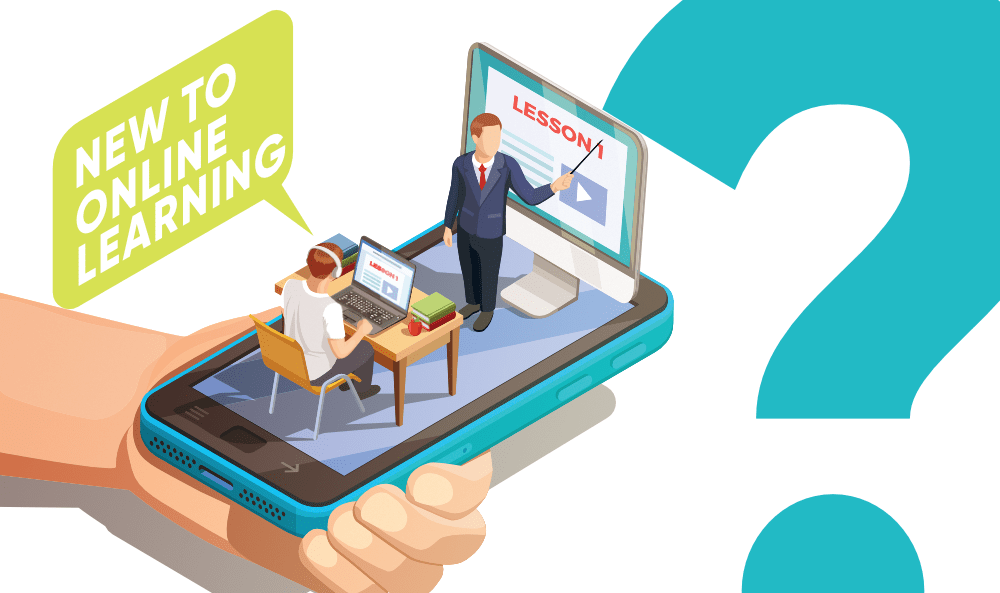
  • 10 Tips for Effective Online Learning

    10 Tips for Effective Online Learning

    Online learning has become a popular mode of education, offering flexibility and accessibility. To make the most of your online learning experience, here are 10 tips for effective online learning.

    Introduction:
    Online learning has revolutionized education, allowing individuals to acquire new skills and knowledge from the comfort of their homes. However, effective online learning requires discipline, organization, and the right approach. Here are 10 tips to help you succeed in your online courses:

    1. Set Clear Goals:
      Before you start your online course, establish clear goals and objectives. What do you want to achieve? Having a purpose will keep you motivated.
    2. Create a Study Schedule:
      Set a dedicated study schedule that aligns with your goals and commitments. Consistency is key to effective online learning.
    3. Stay Organized:
      Organize your study materials, assignments, and resources in a systematic manner. A well-organized workspace enhances productivity.
    4. Actively Participate:
      Engage actively in discussions, forums, and virtual classrooms. Participation helps you connect with peers and instructors.
    5. Limit Distractions:
      Identify and minimize distractions in your study environment. Turn off notifications and create a quiet, focused space.
    6. Effective Time Management:
      Manage your time efficiently by breaking tasks into smaller, manageable portions. Use time management techniques to stay on track.
    7. Utilize Learning Resources:
      Explore all available learning resources, including video lectures, e-books, forums, and supplementary materials.
    8. Seek Help When Needed:
      Don’t hesitate to reach out to instructors or support services if you encounter challenges. Asking for help is a sign of a proactive learner.
    9. Assess Your Progress:
      Regularly evaluate your progress and understanding of the course material. Adjust your study methods as needed.
    10. Stay Motivated:
      Maintain your motivation by reminding yourself of your goals and celebrating your achievements. Consider joining study groups or forums for peer support.

    Conclusion:
    Effective online learning requires commitment, discipline, and effective strategies. By setting clear goals, staying organized, and actively participating, you can make the most of your online education and achieve your objectives.