If you’ve ever run your fingers across a supposedly “clean” glass and felt a chalky film, or if your laundry comes out of the wash feeling more like cardboard than cotton, chances are you’re dealing with hard water. And honestly, you’re not alone. Millions of households struggle with the daily annoyances — and long-term damage — caused by mineral-heavy water. That’s why so many homeowners eventually find themselves Googling water softeners, trying to figure out how to fix the issue without emptying their bank account.
But here comes the million-dollar question (well, hopefully not literally): How much are water softeners, really?
Spoiler alert — it’s not a one-size-fits-all answer. Let’s talk about the real-world costs, what drives those numbers, and how to get the most value from your investment. Because buying a water softener shouldn’t feel like decoding a secret language of specs and sales pitches.
First, What Exactly Does a Water Softener Do?
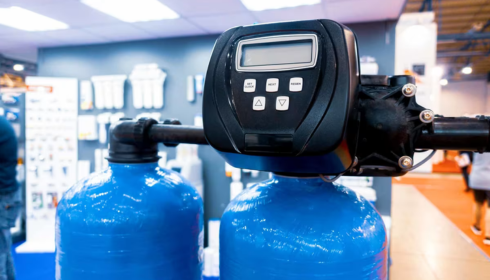
Quick primer before we dive into pricing. A water softener removes minerals like calcium and magnesium that cause hard water. These minerals are great for rocks, not so great for your plumbing, appliances, or skin. Soft water feels smoother, keeps your pipes cleaner, helps your soap actually lather, and can extend the life of everything from your washing machine to your water heater.
In short: it’s a low-key home upgrade that quietly improves your daily life.
So… How Much Should You Expect to Pay?
Let’s get to it. On average, water softeners cost anywhere between $400 and $3,500, depending on the type, size, brand, and features. Yeah, that’s a big range. But here’s a helpful breakdown to make it more digestible:
- Basic single-tank salt-based softeners: $400–$900
- Mid-range systems with better efficiency: $1,000–$1,600
- High-end systems or dual-tank units: $1,700–$3,000+
- Salt-free or conditioning systems: $1,200–$4,000
And don’t forget about installation — that can tack on another $300 to $1,000, depending on your plumbing setup and location.
Suddenly the math gets real, right?
What’s Included in the Cost?
It’s easy to look at a price tag and say, “No thanks.” But to judge a system by its upfront number alone isn’t exactly fair. A quality softener doesn’t just sit in your garage doing nothing. It’s working 24/7 to prevent scale buildup, keep your laundry soft, reduce appliance wear, and save you money in subtle, sneaky ways.
Not to mention, most units last 10 to 15 years (or longer with proper maintenance). Divide that cost over the years, and it doesn’t feel quite so steep.
So when evaluating the price of a water softener, look beyond the sticker. Think performance, efficiency, lifespan, and — yes — peace of mind.
Installation: The Often-Forgotten Cost
Here’s a fun little surprise for new buyers: that water softener you just ordered? It won’t install itself. And unless you’re a confident DIYer with plumbing chops, you’ll likely need a professional to set it up.
Installation costs depend on:
- Where your main water line enters the house
- Whether a drain line is accessible
- If you need electrical wiring
- Local labor rates
Some companies include installation in the package, while others bill it separately. Always ask. It might save you a few hundred (or cost you unexpectedly).
Monthly Maintenance: It’s Not Free, But It’s Manageable
Salt-based systems require—you guessed it—salt. Most households go through one or two bags of salt per month, at $5–$10 each. That’s not exactly breaking the bank, but it’s something to factor in.
You’ll also want to clean the brine tank once or twice a year, check for salt bridging, and occasionally replace a resin bed or part. But all in all? Pretty low maintenance compared to other home appliances.
For salt-free systems, maintenance is even easier. No salt, fewer moving parts, and less wear-and-tear. But they cost more upfront. Trade-offs, right?
How to Choose Without Regret
This is where a lot of homeowners get tripped up — not because they bought the “wrong” softener, but because they didn’t buy the right one for their needs.
Here’s what to consider:
- Water hardness level (test kits are cheap and easy)
- Household size and water usage
- Preference for salt-based vs. salt-free systems
- Available space for installation
- Budget (be honest here!)
- Manufacturer warranty and service reputation
Once you’ve narrowed this down, finding a good-fit softener becomes way less intimidating.
Budget Options: Are They Worth It?
Yes… and no. If you’re in a small home or apartment and just want to soften water at a single point (say, under the kitchen sink), there are compact or portable options starting around $200–$300. But these aren’t ideal for full-house protection.
Going too cheap on a whole-house system might leave you replacing it sooner than you’d like. It could also use more salt, regenerate inefficiently, or just plain not work well. So if you’re wondering how much are water softeners that actually work and last — the sweet spot tends to be the $900–$1,600 range for most average households.
What About Renting?
Some folks don’t want to own a softener — they just want soft water without the commitment. Renting is an option in some areas, often costing around $25 to $50 per month, plus setup fees.
It can be a solid short-term solution (especially in rentals), but long-term? You’ll likely pay more than if you bought one outright. Think of it like leasing a car — convenient, but not the best deal over time.
The Verdict: Is It Worth the Cost?
Let’s be honest — soft water doesn’t sound as exciting as a kitchen remodel or a shiny new appliance. But once you’ve lived with it, you’ll feel the difference in your skin, your clothes, your dishes, and even your wallet.
A good softener protects your investment in your home. It helps appliances last longer, saves on energy bills, and reduces your need for harsh detergents and cleaners.
So while water softeners cost money upfront, they often pay for themselves quietly — through reduced maintenance, longer appliance life, and a better day-to-day water experience.
Final Thoughts
Hard water is more than just a minor inconvenience — it’s a long-term wear-and-tear problem. And investing in a reliable water softener isn’t just a plumbing solution. It’s a lifestyle upgrade. One that, frankly, you’ll notice every time you wash your hands or rinse a glass