Category: Medical

  • Understanding Sedation Options for Dental Procedures

    Understanding Sedation Options for Dental Procedures

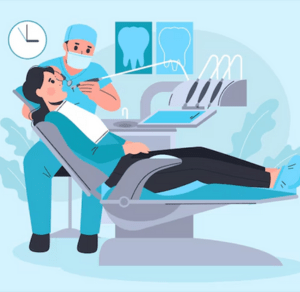
    Dental anxiety is a common issue that affects many patients, often preventing them from seeking necessary dental care. Fortunately, advancements in sedation dentistry have made it easier for patients to undergo procedures comfortably. This article will explore the various sedation options available, their benefits, and how they can enhance the dental experience for patients, especially when considering treatments like dental implants.

    Types of Sedation Dentistry

    The sedation dentistry encompasses several techniques designed to help patients relax during dental procedures. The most common types include:

    1. Nitrous Oxide: Also known as laughing gas, nitrous oxide is a mild sedative inhaled through a mask. It helps patients feel relaxed and less anxious while remaining fully conscious. The effects wear off quickly, allowing patients to resume normal activities shortly after the procedure.
    2. Oral Sedation: This method involves taking a prescribed sedative in pill form prior to the appointment. Oral sedation can range from minimal to moderate levels, depending on the dosage. Patients may feel drowsy but can still respond to questions and instructions.
    3. IV Sedation: Administered through an intravenous line, IV sedation provides a deeper level of sedation. This option allows for rapid adjustment of sedation levels during the procedure, ensuring optimal comfort. Patients typically have little to no memory of the procedure afterward.
    4. General Anesthesia: For more complex procedures or patients with severe anxiety, general anesthesia may be used. This option puts the patient into a deep sleep, requiring monitoring by an anesthesiologist or trained professional. General anesthesia is typically reserved for extensive treatments.

    Benefits of Sedation Dentistry

    The use of sedation in dental procedures offers numerous benefits for both patients and dental professionals. Some key advantages include:

    • Reduced Anxiety: Sedation helps alleviate fear and anxiety associated with dental visits, making it easier for patients to undergo necessary treatments. This is particularly beneficial for those who have had negative experiences in the past.
    • Increased Comfort: Sedation allows patients to remain relaxed and comfortable during procedures, even those that may cause discomfort, such as tooth extractions or dental implants. This leads to a more positive experience overall.
    • Enhanced Cooperation: Patients who are relaxed and comfortable are more likely to cooperate during procedures, allowing dentists to work more efficiently. This can lead to shorter appointment times and improved outcomes.

    Preparing for Sedation Dentistry

    Before undergoing sedation dentistry, patients should have a thorough consultation with their dentist. This discussion will cover medical history, allergies, and any medications being taken. It is essential to inform the dentist about any health conditions that may affect sedation.

    Patients should also follow specific instructions before their appointment, such as fasting for a certain period if IV sedation or general anesthesia is planned. Arranging for a responsible adult to accompany them home after the procedure is crucial, especially for those receiving deeper sedation.

    Conclusion

    Understanding sedation options for dental procedures can help alleviate anxiety and enhance the overall experience for patients. Whether through nitrous oxide, oral sedation, IV sedation, or general anesthesia, sedation dentistry offers a range of solutions tailored to individual needs. For those considering treatments like dental implants, sedation can significantly improve comfort and cooperation during the procedure. By discussing sedation options with their dentist, patients can make informed decisions that lead to a more positive dental experience, ultimately promoting better oral health.


  • Optometrists and Vision Therapy: A Comprehensive Guide

    Optometrists and Vision Therapy: A Comprehensive Guide

    Think of eye surgeon Pasadena. The phrase might bring to mind a skilled professional, deftly navigating the complex world of optometry and vision therapy. And you wouldn’t be wrong. This blog post acts as your comprehensive guide to just that – the fascinating interplay between optometrists and vision therapy. It’s a world where science, art, and intricate techniques come together to work wonders on human vision. So, let’s unravel the mystery behind those two words – eye surgeon Pasadena – and take a deep dive into the captivating realm of optometry and vision therapy.

    What is Vision Therapy?

    Vision therapy can be likened to physical therapy for the eyes and brain. It’s a custom-tailored program designed to correct vision issues that cannot be adequately treated with glasses, contact lenses, or surgery alone. It’s about training the visual system to correct itself.

    The Role of an Optometrist in Vision Therapy

    An optometrist is not just a dispenser of eye glasses or contact lenses. They are health care professionals who can diagnose and treat diseases and disorders that affect the eyes and visual system. In regards to vision therapy, they play a vital role in creating and monitoring a personalized treatment plan, tailoring it to the unique needs of each patient.

    The Journey of a Vision Therapy Patient

    The journey towards better vision is not always easy. It’s a process that starts with an in-depth eye examination, followed by a series of treatments designed to improve the brain’s ability to control the eye’s focus, tracking, and ability to work together as a team. It’s a journey that requires patience, perseverance, and the guidance of a skilled professional like an eye surgeon in Pasadena.

    The Impact of Vision Therapy

    Imagine being able to read clearly without straining your eyes or suffering from frequent headaches. Picture a world where the board in a classroom or the numbers on your phone are not blurry, but crystal clear. That’s the kind of positive change vision therapy can bring. It’s not a miracle cure but a proven scientific method that can improve quality of life significantly.

    Conclusion

    Now, when you think of ‘eye surgeon Pasadena’, you’ll understand there’s more to the title than meets the eye. Optometrists and vision therapy represent a harmonious partnership, dedicated to improving vision and transforming lives. It’s a realm where medical expertise, patient determination, and transformative therapy all interplay to create a clearer, brighter world.

  • Benefits and Risks of Cosmetic Surgery

    Benefits and Risks of Cosmetic Surgery

    Haven’t we all pondered, at least once, how we’d look with a little nip and tuck? The allure of cosmetic surgery is undeniable – a magic wand that promises beauty and confidence. But, like all magic, it comes with a price. Let’s journey through the perks, the pitfalls, and the phenomenon of Ptosis in Reston. The world of cosmetic surgery is so much more than skin deep.

    The Attraction of Cosmetic Surgery

    Picture a world where age is just a number. Imagine owning your beauty, sculpting your body, and commanding your confidence. That’s the promise of cosmetic surgery. It’s an art – the art of transformation. And like all artists, surgeons need their tools.

    Tools like eyelid surgery, popularly known as Ptosis surgery. It’s a revelation in the field. A chance to look young, to look fresh. But here’s the catch: it’s not just about looking good. It’s also about seeing well. Ptosis – droopy eyelids that impair vision – is a common problem, especially in Reston. But thanks to modern techniques, it’s a problem with a solution.

    The Risks Associated with Cosmetic Surgery

    But we all know there’s no such thing as a free lunch. Cosmetic surgery is no exception. It’s not just sunshine and rainbows, there’s stormy weather too. Risks, complications, and sometimes, disappointments.

    Consider Ptosis surgery. It may promise a beautiful and functional outcome, but it also carries risks. There’s the possibility of infection, bleeding, or reaction to anesthesia. And sometimes, the end result may not meet your expectations. You may end up needing additional surgery.

    Making the Decision

    So, should you or shouldn’t you go under the knife? That’s a question only you can answer. But remember this: Cosmetic surgery is a choice, not a necessity. It’s a path to enhanced beauty, not a shortcut to happiness.

    Before making that decision, do your research. Understand the risks and benefits. Consult with experts. Take the case of Ptosis in Reston. If you’re considering this procedure, spend time understanding it. Visit clinics, talk to surgeons, and speak with people who’ve undergone the procedure. Make an informed decision.

    Cosmetic surgery is a journey. A journey of transformation, of self-discovery. And like all journeys, it’s one that should be embarked upon with caution, understanding, and a whole lot of self-love.