
A grading project begins long before machines touch the ground, and the materials chosen play a huge role in how well the final surface performs. Contractors often use both fill dirt and topsoil during site preparation, but each material serves a very different purpose. Anyone arranging rock and dirt delivery near me benefits from knowing what separates these two soils and why the right choice matters for long-term results.
Understanding What Fill Dirt Is and Why It’s Used in Grading
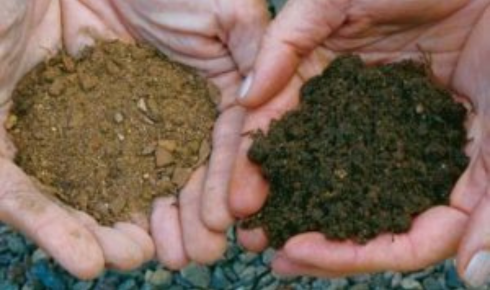
Fill dirt comes from deeper layers beneath the nutrient-rich surface soil. It contains tightly packed clay, sand, and small rock fragments with very little organic matter. This composition keeps it stable, which is why dirt delivery near me often includes fill dirt for building up low areas or reshaping grades.
Its predictability makes it valuable for leveling or raising ground. Because fill dirt doesn’t break down or shift much over time, it supports consistent slopes and eliminates air pockets that cause settling. Anyone managing construction prep relies on it to create a reliable foundation before moving to finer adjustments.
How Topsoil Differs with Organic Content for Plant Growth
Topsoil forms the uppermost layer of earth and contains decomposed leaves, minerals, and microorganisms. These elements help plants grow, which is why soil for sale is frequently purchased for landscaping tasks rather than structural work. The organic matter improves water absorption and provides nutrients needed for healthy root systems.
This rich makeup sets it apart from fill dirt. Although topsoil is excellent for lawns and gardens, the organic content breaks down over time, creating changes in volume that make it unsuitable for supporting heavy loads or precise grading. For projects requiring structural reliability, topsoil becomes a finishing layer rather than a base.
The Role of Fill Dirt in Building Stable Base Layers
A stable base layer determines whether a finished surface stays level years after installation. Rock and dirt delivery companies often recommend fill dirt to elevate building pads, prepare driveways, and establish slopes for drainage. Its density and minimal organic content allow crews to compact it tightly without worrying about long-term shrinkage. Another advantage is its adaptability to large-scale shaping. Fill dirt can be spread in thick lifts, compacted quickly, and molded into structural forms that withstand pressure from foot traffic, vehicles, or retaining walls. Without a sturdy base layer, even high-quality materials placed above it may fail prematurely.
Why Topsoil Matters for Lawns, Gardens, and Landscaping Areas
Topsoil comes into play once grading provides the desired shape. It creates the environment needed for grass, shrubs, and trees to grow. Landscapers often choose topsoil because it holds moisture, contains natural nutrients, and supports the biological activity plants rely on.
It also improves soil texture. Even if fill dirt forms the base, a layer of topsoil on top makes the surface workable for planting. Anyone searching for dirt for sale uses topsoil when they want a lawn to thrive rather than simply cover a surface.
How Particle Size Affects Performance in Grading Projects
Fill dirt contains larger, more irregular particles, which help the material pack densely. This characteristic allows it to resist shifting once compacted. Particle size also influences drainage: coarse fill promotes runoff rather than water retention, making it ideal for areas that must shed moisture efficiently.
Topsoil, by contrast, includes finer grains mixed with organic matter. While this supports better plant growth, it absorbs more water and compacts unevenly under heavy pressure. These differences show why rock and dirt delivery specialists rarely recommend topsoil as a base for structural grading.
Why Compaction Traits Make Fill Dirt Ideal for Structural Fill
Strong compaction ability is one of fill dirt’s biggest advantages. Each truckload delivered for grading can be layered, rolled, and compacted to create a surface that stays firm. This characteristic ensures stability under concrete pads, walkways, and patios—areas where shifting soil can cause cracks.
Uniform compaction also prevents unwanted settlement. Because fill dirt lacks organic material, it doesn’t decompose or collapse over time. Contractors rely on these traits to create long-lasting grade adjustments that hold their shape even under repeated stress.
How Topsoil Supports Moisture Retention and Root Development
Topsoil’s organic matter absorbs and stores moisture, creating an ideal environment for seed germination and root expansion. This moisture retention also reduces erosion, especially on newly graded landscapes where vegetation has not yet fully taken hold.
Its blend of minerals and nutrients strengthens plant health. Whether repairing a yard or preparing a new garden bed, topsoil provides the fertile medium necessary for deep, resilient roots. Rock and dirt delivery near me often includes both topsoil and fill dirt because each performs a role that the other cannot.
The Importance of Selecting the Right Material for Job Goals
Matching material to the project goal determines long-term success. Fill dirt works best for grading, leveling, and creating stable foundations, while topsoil becomes essential for finishing touches that involve planting and appearance. Knowing the difference avoids costly mistakes and ensures the final surface performs as intended. Those ordering dirt for sale benefit from understanding how these materials interact in layers. A properly constructed grade will include fill dirt for structure and topsoil for growth.