Electronics rarely show damage right away. Internal wear often begins quietly, long before a device fails to power on. Anyone considering long-term storage for computers, televisions, sound systems, or sensitive equipment should understand why climate controlled storage makes a measurable difference.
What Heat and Humidity Can Do to Stored Electronics
Extended heat exposure can slowly warp internal components. Circuit boards expand and contract as temperatures fluctuate, which weakens solder joints and delicate connections. High humidity compounds the problem by allowing moisture to settle on metal contacts. Over time, that moisture can trigger corrosion inside devices that appear perfectly sealed from the outside. Excess humidity does not need visible water to cause harm. Even slightly damp air can condense inside equipment during cooler nighttime hours. Electronics stored in basic storage units without regulated air often experience these shifts, especially in regions with strong seasonal changes.
How Steady Temperatures Help Protect Delicate Circuits
Consistency is what electronics need most. Climate controlled storage maintains steady indoor conditions that prevent dramatic swings between hot and cool air. Stable temperatures reduce expansion stress on circuit boards and prevent cracking in small solder points.
A controlled environment also protects battery compartments and internal wiring. Devices stored in climate controlled storage are less likely to suffer microscopic fractures that lead to future malfunctions. Maintaining steady air conditions helps preserve electronics even during long periods of inactivity.
Why Dust and Damp Air Shorten Device Lifespan
Dust carries fine particles that can settle inside vents and cooling fans. Once inside, those particles trap heat and block airflow. If damp air accompanies dust, residue may cling to components and form a thin layer that reduces efficiency.
Over time, this buildup increases internal operating temperatures. Electronics stored in unregulated storage units near me may gather dust unnoticed. Climate controlled storage minimizes both airborne moisture and environmental dust exposure, helping equipment remain cleaner during storage.
The Role of Cool Air in Preventing Internal Damage
Cool, dry air supports the long-term stability of plastic casings and internal insulation. Heat can cause plastic housings to become brittle or slightly misshapen. This subtle distortion may not appear immediately but can affect alignment of screens or connectors.
Lower temperatures also protect adhesive seals that hold display layers together. Storage units with regulated cooling prevent overheating during summer months. By maintaining moderate conditions, climate controlled storage reduces the risk of internal separation within layered electronics.
Signs Your Devices Are Not Safe in Regular Storage
Certain warning signs suggest that electronics may not be secure in basic storage. A musty odor when opening a unit often indicates elevated humidity. Visible condensation on metal surfaces can signal moisture fluctuation inside the space.
Intermittent device malfunction after storage is another clue. If electronics power on inconsistently or show screen distortion after being stored in standard storage units, environmental exposure may be responsible. Searching for storage units near me with climate regulation can help avoid further damage.
How It Affects Screens Wires and Internal Parts over Time
Screens rely on stable internal layers to display images clearly. Heat can weaken adhesive layers, while humidity may cloud internal surfaces. Over months, these effects can lead to discoloration or reduced brightness. Wires and connectors also respond to environmental shifts. Metal contacts exposed to humid air may oxidize gradually. Electronics stored in climate controlled storage maintain cleaner connections, which helps preserve signal strength and performance once devices are used again.
Indicators Moisture Is Reaching Your Equipment
Corrosion spots on exposed screws or battery terminals often indicate moisture infiltration. Warped packaging materials or slightly damp cardboard boxes also suggest elevated humidity levels inside storage units.
Subtle electronic smells can signal internal corrosion even before visible signs appear. If devices stored in traditional storage units near me emit unusual odors when unpacked, moisture exposure may have occurred. Regulated air conditions significantly reduce this risk.
Methods That Help Keep Electronics Safe During Storage
Proper storage begins with preparation. Cleaning devices before placing them into storage reduces trapped dust. Wrapping electronics in breathable covers rather than plastic seals helps prevent condensation buildup.
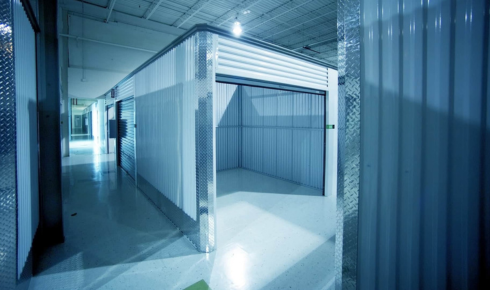
Selecting climate controlled storage provides consistent protection beyond basic packing methods. Storage units with regulated temperature and humidity maintain a stable environment for extended periods. This controlled setting supports the preservation of valuable electronics without ongoing supervision.
Electronics last longer when they are kept in stable conditions, and Storage Partner offers climate controlled storage built for that purpose. Their storage units maintain balanced temperature and humidity levels to reduce environmental wear. For individuals searching for dependable storage units near me, they offer protected spaces suited for valuable equipment.