
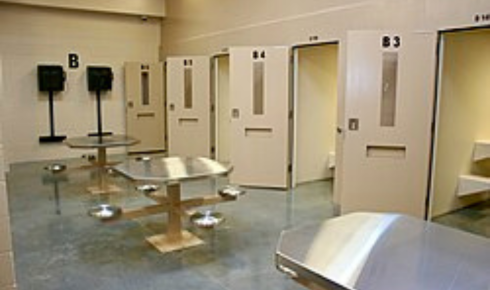
Correctional populations rarely move in a straight line, and shifts often arrive faster than facilities can respond. Traditional construction methods struggle to keep pace with these changes, creating pressure on already crowded spaces. Modular jails offer a practical way for agencies to expand capacity quickly while maintaining consistent security and operational standards.
Off-site Fabrication Delivers New Bed Space Months Faster than Local Builds
Off-site fabrication streamlines the entire construction timeline by moving labor, equipment, and assembly into a controlled environment. Correctional modules are completed while site preparation continues, allowing two major phases of work to advance simultaneously. This parallel workflow eliminates the delays typically caused by weather, contractor availability, or supply shortages that slow down conventional builds.
Speed also reduces operational strain on facilities already reaching capacity. Additional beds arrive as finished modules rather than prolonged construction zones. Cornerstone detention equipment contractors often incorporate detention-grade materials directly into these prefabricated units, ensuring they are ready for installation with minimal on-site adjustments.
Self-contained Units Plug into Existing Utility Grids with Minimal Downtime
Modular jail units are engineered to connect seamlessly with existing systems such as water, power, communications, and HVAC. This simplifies integration and eliminates prolonged interruptions that can disrupt daily operations. Facilities can expand with new housing areas that plug into the current infrastructure without needing major retrofits or new utility corridors.
This efficient connectivity also reduces staff strain. Instead of months of construction noise, restricted movement, and work crews inside secure perimeters, installation takes a fraction of that time. Cornerstone security detention equipment contractor teams often oversee installation to ensure proper tie-ins and compliance with established safety protocols.
Modular Layouts Allow for Vertical Expansion When Land Footprint Is Tight
Facilities located in dense areas or urban settings often lack horizontal room for expansion. Modular layouts offer vertical stacking options, giving correctional agencies the ability to build upward when acreage is limited. Vertical expansion maintains a compact footprint while still delivering meaningful increases in bed capacity.
Structural strength is essential for multi-level modular setups. Prefabricated sections are constructed to carry the load of additional floors, making vertical growth reliable and safe. This adaptability helps correctional administrators stay prepared for population fluctuations without purchasing new land or disrupting surrounding structures.
Prefabricated Cells Maintain High Security Standards During Rapid Growth
Modular cells are built with the same demanding specifications as traditional units. Reinforced steel, tamper-resistant hardware, and secure ventilation are integrated from the beginning of fabrication. Prefabrication ensures that each component meets the required security standards before arriving on-site, eliminating gaps that might occur during rushed builds.
Consistency is paramount in correctional environments. Prefabricated units maintain uniformity in security features such as detention windows, reinforced walls, and Cornerstone detention center doors, which are designed to withstand high-use conditions. This level of standardization helps facilities expand rapidly without compromising safety.
Strategic Design Lets Facilities Add Wings in Phases As Budgets Allow
Budget limitations often force correctional agencies to implement expansions over multiple fiscal cycles. Modular construction supports phased growth by allowing facilities to add new units in planned increments. Instead of committing to a lengthy, full-size build, administrators can grow capacity gradually based on funding availability.
This phased approach provides flexibility. Each added wing functions independently but aligns with the overall facility design, ensuring smooth integration. Agencies can also prioritize different populations in each phase—minimum, medium, or specialized housing—depending on current demand.
Standardized Parts Ensure New Additions Match Current Facility Maintenance
Standardization plays a major role in long-term efficiency. Modular jails rely on consistent parts and uniform structural components, which simplifies maintenance, repairs, and inventory management. Facilities avoid the complications that arise from mismatched hardware or incompatible materials found in older, piecemeal expansions. Continuity reduces training time for facility staff. Personnel learn one set of systems and apply that knowledge to both old and new areas. Cornerstone prison supply manufacturers often provide compatible components that ensure each expansion matches the existing facility’s operational procedures and maintenance routines.
Factory-built Precision Removes the Unpredictability of On-site Labor
On-site construction exposes projects to unpredictable variables—weather, labor shortages, subcontractor delays, and material inconsistencies. Factory-built precision eliminates these issues by manufacturing units indoors under consistent conditions. This environment ensures accuracy in measurements, welds, finishes, and security installations. Quality control is easier to enforce in a factory than on a busy jobsite. Each module undergoes inspections that verify structural integrity and alignment with correctional standards. These quality checks reduce rework and speed up installation once units arrive at the facility.
Flexible Floor Plans Adapt Quickly to Changing Custody Level Requirements
Custody classifications can shift rapidly, requiring facilities to adapt housing layouts with little notice. Modular systems allow quick reconfiguration of units to accommodate different supervision levels. Floor plans can be designed with observation windows, group housing options, single cells, or special-use spaces depending on evolving needs.
Adaptability supports operational stability. Administrators can respond to classification changes without undertaking full-scale renovations or relocating large inmate groups. For agencies seeking expandable, secure, and efficient detention solutions, Cornerstone offers services that help correctional systems implement modular jails designed for growth and long-term reliability.